
Top Nutrition Health and Fitness Tips for Optimal Wellness
Key Highlights
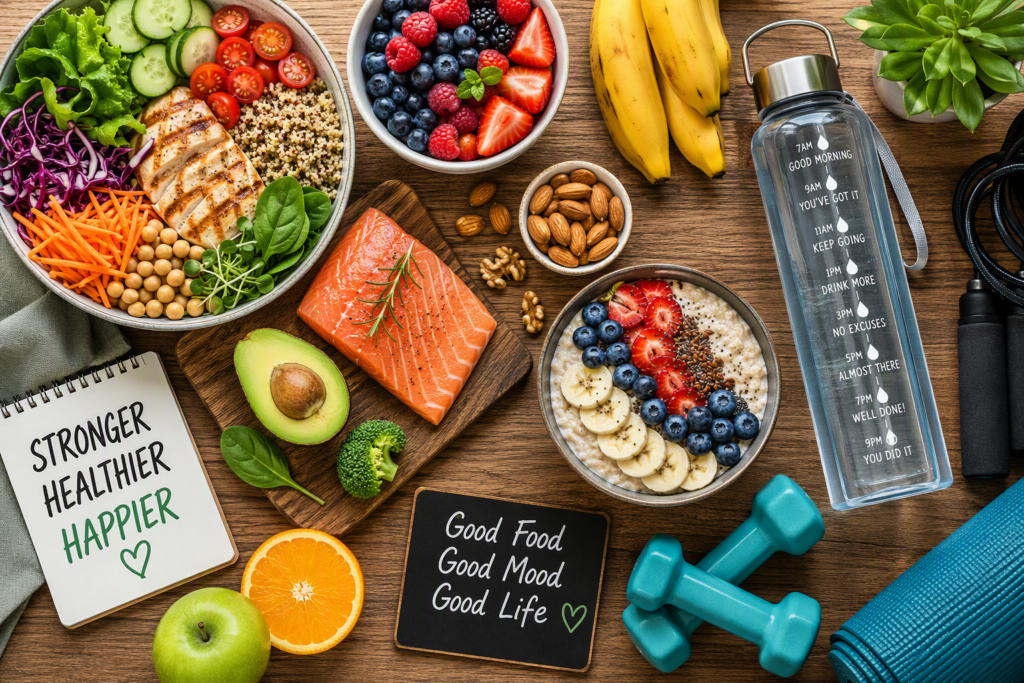
- A balanced diet supports overall health, steady energy, and better workouts.
- Healthy eating starts with real food, including whole grains, lean proteins, and fresh fruit.
- Smart physical activity nutrition includes carbs before exercise and protein after.
- Healthy fats support heart health, brain function, and recovery, but portion control still matters for weight loss.
- Hydration affects energy metabolism, focus, and workout results more than many people realize.
- Key vitamins, minerals, rest, and sleep help your body recover and stay strong.
Introduction
If you want better workouts, more stable energy, and stronger overall health, your food choices matter every day. Good exercise habits work best when they are paired with simple, practical nutrition tips that fit real life. The good news is that you do not need a complicated plan to see health benefits. A few smart changes in how you eat, drink, and recover can help support strength, endurance, and long-term wellness.
Building a Balanced Diet for Optimal Wellness
A balanced diet gives your body the fuel it needs for daily movement, workouts, and recovery. Focus on a healthy diet built around real food, including whole grains, lean proteins, vegetables, and fresh fruit. This mix supports steady energy and heart health.
To improve your daily fitness routine, start with a variety of foods instead of relying on convenience meals. Spreading meals and snacks across the day can also help prevent energy dips, unwanted weight gain, and poor workout performance. Next, it helps to understand the three main macronutrients.
Essential macronutrients: carbohydrates, protein, and healthy fats
Carbohydrates are a major fuel source for your muscles and central nervous system. They also support digestion, immune system function, and energy metabolism. A practical target is to let carbs provide 45% to 65% of your total daily calories, especially if you stay active.
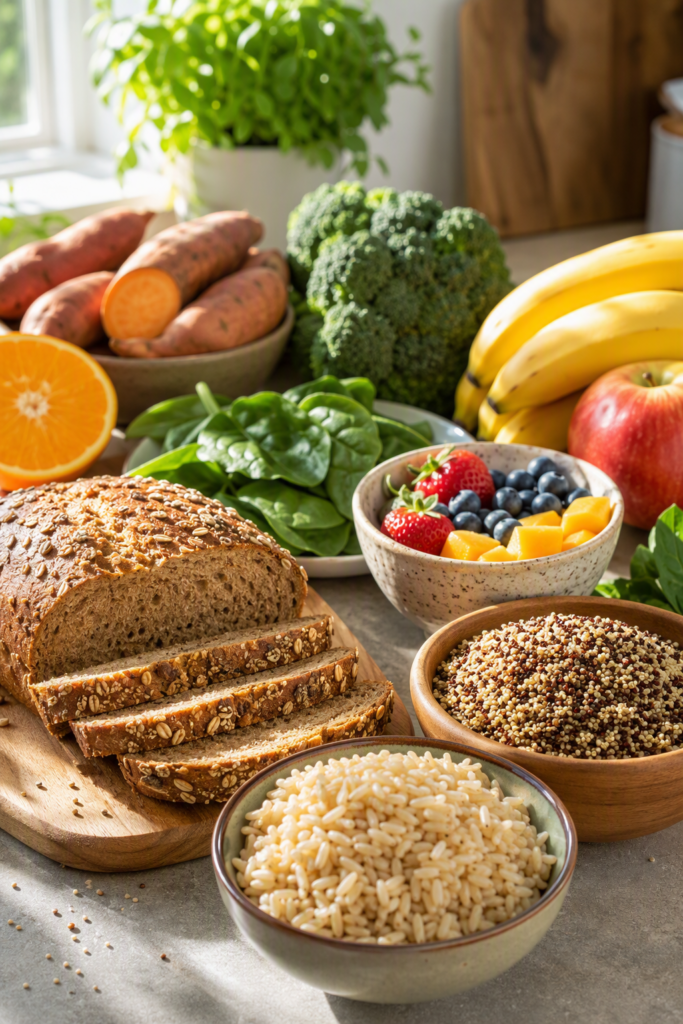
Protein plays an important role in hormone production, muscle recovery, and stable energy level during exercise. Ideal protein intake is about 0.6 to 0.9 grams of protein per pound of body weight per day. For better results, spread your protein intake across meals and snacks instead of eating most of it at once.
Healthy fats help with brain function, heart health, joint mobility, mental health, and recovery. Still, the type of fat matters. Choose fatty acids from olive oil, avocados, nuts, and fatty fish. Because fat is calorie-dense, portion awareness matters if weight loss is your goal.
Recommended portion sizes and food groups
Busy days can make healthy eating feel harder, but simple structure helps. Build meals from core food groups and keep portion sizes reasonable. That approach supports workout goals without making food feel overly complicated. It also helps you manage total daily calories in a realistic way.
Here is a simple text table you can use as a guide:
| Food groups | Practical approach |
|---|---|
| Carbohydrates | Include whole grains, fruits, and vegetables through the day |
| Protein | Add moderate portions at meals and snacks |
| Fats | Use small amounts of olive oil, nuts, or avocado |
| Flavor boosters | Use fresh herbs to add taste without relying on extra salt |
A good strategy for healthy eating habits is planning basic meals in advance. Keep easy staples on hand, use small amounts of added fats, and rotate foods so you get variety without overeating. Once your meals are balanced, you can fine-tune them around exercise.
Nutrition Strategies to Boost Energy and Support Workouts
Your body performs better when nutrition matches your activity. Carbs help support energy metabolism, protein supports recovery, and fluids help maintain brain function and a steady energy level. This matters whether you take a daily walk or train for an endurance bike race.
Meal timing also affects how you feel during exercise and after it. Eating too little or waiting too long to refuel can hurt performance and recovery. Good nutrition habits may also support factors tied to overall wellness, such as blood pressure. Let’s look at what to eat before and after activity.
Best pre-workout meals and snacks
Before exercise, your goal is simple: give your body ideal fuel without upsetting your stomach. Good nutrition before physical activity means getting enough carbohydrates, preventing hunger, and choosing foods that are easy to digest. Whole grains and fruit can work well when timed properly.
You do not need a huge meal. Keep fiber, fat, and heavy protein lower right before activity if digestion is a concern. Drink fluids too, since hydration supports performance just as much as food.
- One or more hours before: 1/2 cup dry oatmeal with nuts and fruit
- Up to one hour before: a banana with 1 tablespoon of natural peanut butter
- Five to 15 minutes before: raisins or other dried fruit, a little honey, and an electrolyte drink or small amount of fruit juice
Post-workout recovery foods for active lifestyles
After exercise, aim to eat within 30 minutes to two hours. That window helps restore glycogen, support muscle repair, and protect your next workout. A solid recovery meal or snack should include carbohydrates plus 15 to 30 grams of protein intake.
Choose healthy foods that are satisfying and easy to tolerate. Lean proteins are especially useful after training, and balanced recovery meals can support digestive health by avoiding the heavy, greasy feel that often comes with fast food after a workout.
- Veggie egg bake with whole-wheat toast
- Protein drink or protein powder fruit smoothie
- Roasted red pepper, chicken, and hummus wrap with veggies and fresh cherries
For active people, iron absorption also matters. Pair iron-rich foods like leafy greens with vitamin C-rich foods, especially in the morning or after exercise.
Hydration Tips for Enhanced Fitness and Health
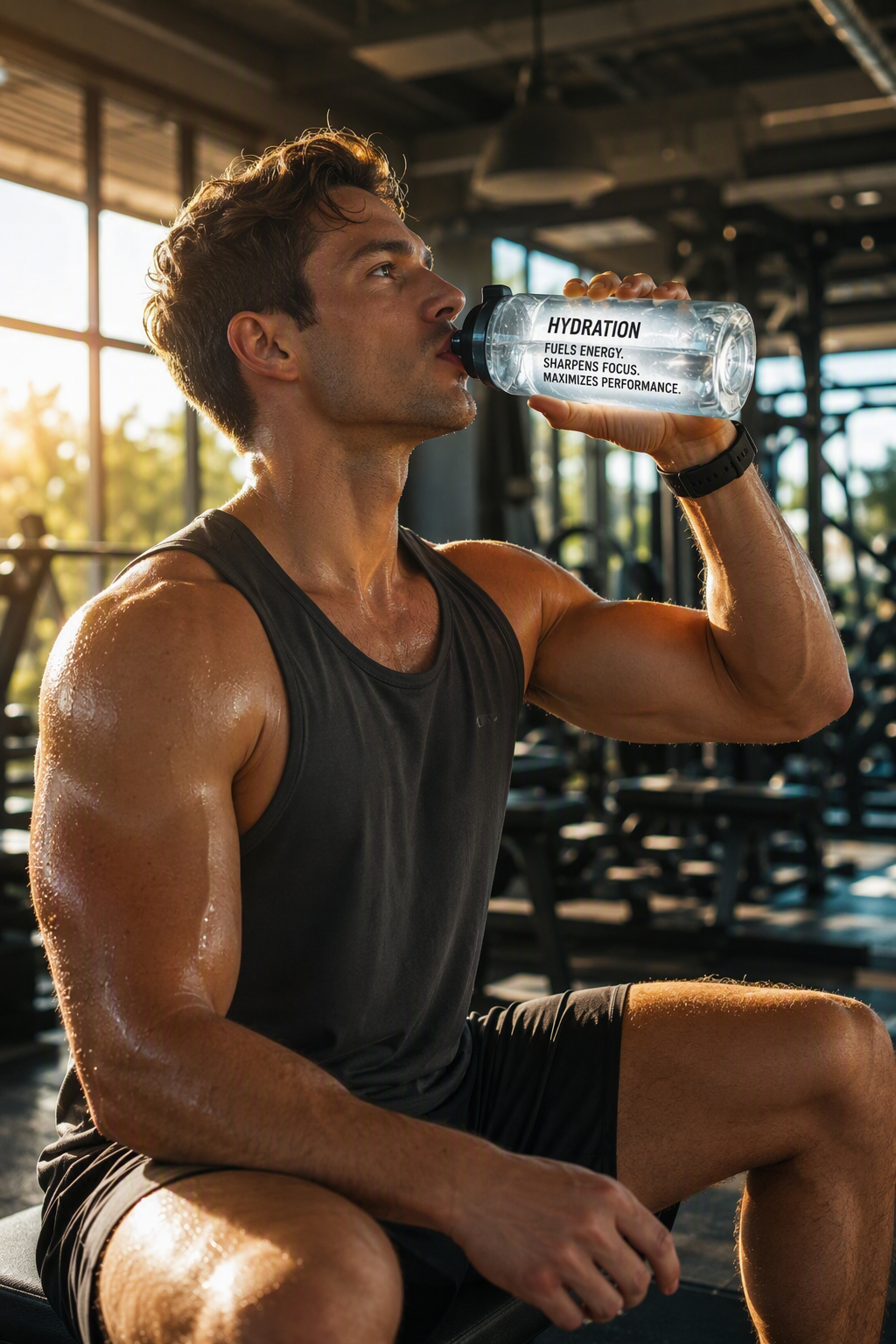
Hydration is part of proper nutrition, not a separate habit. When you do not drink enough fluids, your body can struggle with energy metabolism, concentration, and workout output. Even mild fluid loss can affect how you feel and perform.
An excellent starting point is knowing your daily baseline. A simple method is to divide your body weight by two and drink that many ounces of fluid each day. Good hydration also supports immune system function, which is especially important when training regularly. Next, watch for signs that your intake is slipping.
Importance of adequate water intake
Adequate water intake supports exercise, recovery, and daily wellness. Losing just 2% of body fluid can reduce energy metabolism and lower cognitive function. That means hydration can influence both your workout and your normal routine, from focus at work to how steady you feel during training.
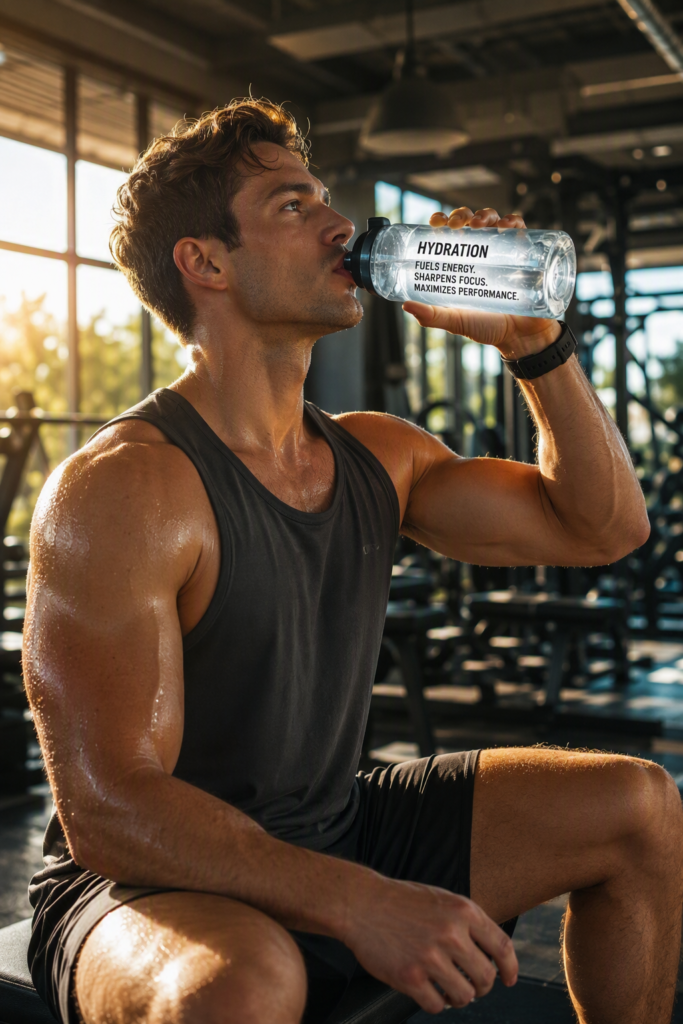
There are several good hydration sources, not just plain water. Water, seltzer, juices, sports nutrition drinks, modest amounts of coffee or tea, and high-fluid fruits and vegetables can all help. A simple check is the color of your urine. Light yellow usually means you are in a good range.
Hydration works best alongside regular meals, enough carbs, and enough sodium when needed during activity. It also fits with recovery habits such as getting enough hours of good sleep. Together, these habits support immune function, mental health, and stronger day-to-day performance.
Signs of dehydration and how to stay hydrated during exercise
Dehydration can sneak up on you. Thirst is one clue, but it usually means you already need more fluids. During exercise, low fluid intake can affect energy metabolism, focus, and how strong you feel. If your urine gets darker, that can be another sign that your intake needs attention.
Staying ahead of dehydration is easier when you make it routine instead of waiting until you feel worn down. During workouts, remember that carb and sodium needs can vary from person to person, especially with longer or harder sessions.
- Start the day with fluids, not just during exercise
- Sip regularly before, during, and after activity so you get enough fluids
- Be careful with sugary drinks, and remember the effects of caffeine peak about one hour after intake
Conclusion
In conclusion, maintaining optimal wellness through nutrition and fitness is a journey that involves understanding your body’s needs and making informed choices. By incorporating a balanced diet with essential macronutrients, strategic nutrition timing around your workouts, and staying hydrated, you can significantly enhance your energy levels and overall health. Remember, it’s not just about what you eat but also how you fuel your body to support an active lifestyle. If you want personalized guidance tailored to your unique health goals, don’t hesitate to get a free consultation with our experts today!
Frequently Asked Questions
What are common nutrition mistakes that can affect fitness progress?
Common mistakes include skipping balanced meals, waiting too long to eat after workouts, and relying on fast food. These habits can raise sodium intake, affect cholesterol levels, and work against weight loss goals. Over time, they may also contribute to high blood pressure and lower training quality.
How does meal timing impact workout results?
Meal timing supports performance by helping you start exercise fueled and finish it with better recovery. Eating carbs before activity and protein after can improve energy metabolism and muscle repair. Consistent timing also supports hormone health and may help maintain steadier blood pressure during training and recovery.
Which vitamins and minerals are essential for maintaining fitness and energy?
Iron and vitamin D are especially important for active people. Iron deficiency can affect energy, while vitamin D supports bone health, muscle function, and immune function. Helpful foods include leafy green vegetables for iron and fatty fish such as salmon or cod for omega-3s and vitamin D.
https://pubmed.ncbi.nlm.nih.gov/31398911
https://pubmed.ncbi.nlm.nih.gov/29671076
https://www.nychealthandhospitals.org
https://www.nychealthandhospitals.org/category-healthtips/childrens-health
https://www.who.int/zh/news-room/fact-sheets/detail/healthy-diet
https://www.cdc.gov/healthyweight/healthy_eating/water-and-healthier-drinks.html