
How Yoga Help Relief Pain: Techniques for Everyday Life
Key Highlights
- Yoga supports pain relief by easing tension and calming stress.
- A steady yoga practice can help with back pain, joint stiffness, and neck pain.
- Gentle yoga styles like Hatha, Yin, and Restorative fit many pain management needs.
- Breathing techniques help settle the nervous system and lower heart rate.
- Mindfulness and Yoga Nidra can improve mental health and change the pain experience.
- Props and smart changes make practice safer and more comfortable.
Introduction
Living with chronic pain can wear you down, both physically and emotionally. If standard care has not given you enough pain relief, yoga practice may offer helpful support. Yoga combines movement, breathing, and mental focus in a way that can reduce tension, improve mobility, and help you feel more in control. It is not a quick fix, but it can become a useful part of your routine. The next sections explain how yoga works and why it helps.
Understanding Pain and Yoga’s Role in Relief
Chronic pain can affect how you move, sleep, and cope with daily life. Different pain conditions bring different challenges, from stiffness and muscle tightness to stress and fatigue. That is why pain management often needs more than one approach.
Yoga’s role is to support both body and mind. It can help relieve different types of pain by easing tension, improving mobility, and calming the nervous system. This matters because chronic pain is shaped by both physical strain and your overall pain experience.
Types of Pain Yoga Can Help Manage
Many people ask if yoga can really help with chronic pain conditions. Based on the information here, it can be a useful supportive tool. Yoga is especially helpful when pain is linked to tight muscles, poor mobility, stress, or joint stiffness.
It may help manage:
- back pain and chronic back pain
- lower back pain and low back pain
- neck pain linked to muscle tension
- joint pain and joint stiffness, such as arthritis
- pain tied to chronic pain conditions like fibromyalgia
Just as important, yoga can be adjusted to the area that hurts most. Slow stretching, supportive poses, and mindful breathing can reduce strain while improving range of motion. For many people, that makes daily movement easier and supports a broader pain management plan without adding heavy effort.
The Science Behind Yoga and Pain Reduction
The basic science is clear: yoga affects the body systems linked to pain. It can lower stress, reduce muscle tension, and help shift the nervous system into a calmer state. When your body is less reactive, your pain intensity may feel lower.
Clinical trials are mentioned as part of the broader discussion around the effects of yoga, especially for chronic pain. The main support described here comes from observed benefits in mobility, relaxation, and reduced pain perception.
| Yoga factor | How it may support pain relief |
|---|---|
| Gentle movement | Improves flexibility, blood flow, and range of motion |
| Breath control | Helps calm the nervous system and slow heart rate |
| Relaxation techniques | Reduce levels of stress and support recovery |
| Mind-body focus | Can change the pain experience and perception of pain |
How Yoga Techniques Relieve Pain
Yoga techniques work on more than sore muscles. They can support pain relief by improving movement, easing stiffness, and helping your body settle into a calmer state. This can be useful for chronic pain, where tension and stress often build on each other.
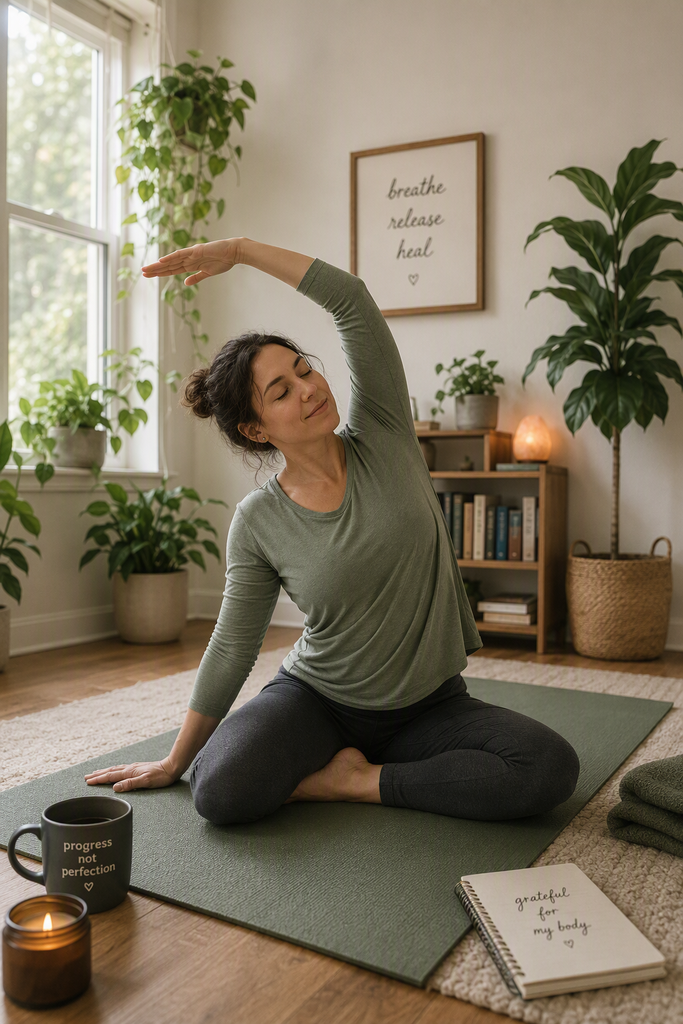
There is also a mental health side to this. Breathing, mindfulness, and guided rest can change your pain experience by lowering stress and making pain feel less overwhelming. Let’s look at two techniques that are often easy to use in everyday life.
Breathwork (Pranayama) for Calming Nerves
Breathwork, or pranayama, is one of the simplest yoga techniques for pain relief. Slow, steady breathing techniques can help calm the nervous system and move the body toward a rest-and-digest state. That matters because pain often feels worse when stress is high.
When you practice breath control, your heart rate can drop and your body may feel less guarded. This can reduce muscle tension and make movement feel safer. For people with chronic pain, that shift can be a meaningful part of daily relief.
A few ways breathwork helps:
- calms an overactive nervous system
- lowers heart rate and supports relaxation
- makes the body less reactive to pain signals
Mindfulness and Meditation for Pain Perception
Pain is not only physical. Your stress level, attention, and emotions can shape pain perception. That is why mindfulness and meditation matter. These practices help you notice discomfort without reacting to it as strongly, which can support both pain relief and mental health.
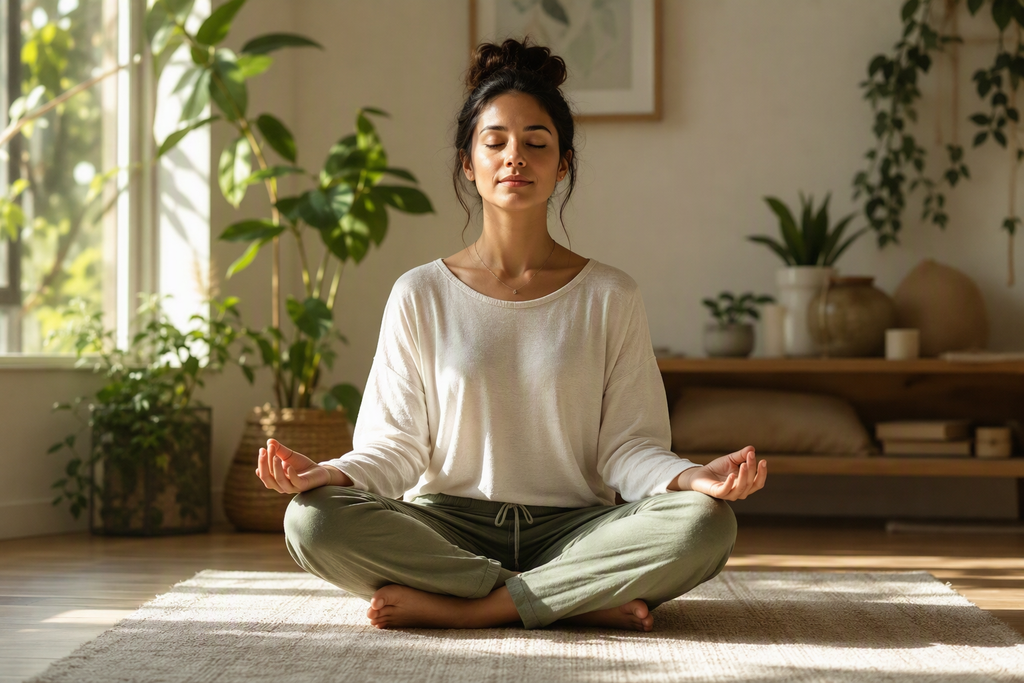
One gentle option is Yoga Nidra, also called yogic sleep. It is a guided meditation practice that brings deep rest without physical effort. This can be especially useful if stress adds to your pain experience or if movement feels hard on certain days.
Helpful practices include:
- mindfulness during gentle movement
- seated or guided meditation
- relaxation techniques with body awareness
- Yoga Nidra for deep mental and physical rest
Top Yoga Poses for Everyday Pain Relief
Some yoga poses are especially useful for everyday pain relief because they gently stretch tight areas and support better mobility. In a gentle yoga practice, simple shapes often work best. They help release tension without forcing your body into uncomfortable positions.
For pain management, the most helpful poses tend to target the lower back, neck, hips, and shoulders. Child’s Pose, Downward Dog, and gentle twists are often included because they are accessible and effective. Here are the main pose groups to know.
Poses for Back and Neck Pain
If you deal with back pain or neck pain, choose yoga poses that lengthen tight muscles and reduce pressure. The goal is not to stretch hard. It is to create space, improve blood flow, and ease muscle tension in a steady way.
A few useful options from the provided guidance include:
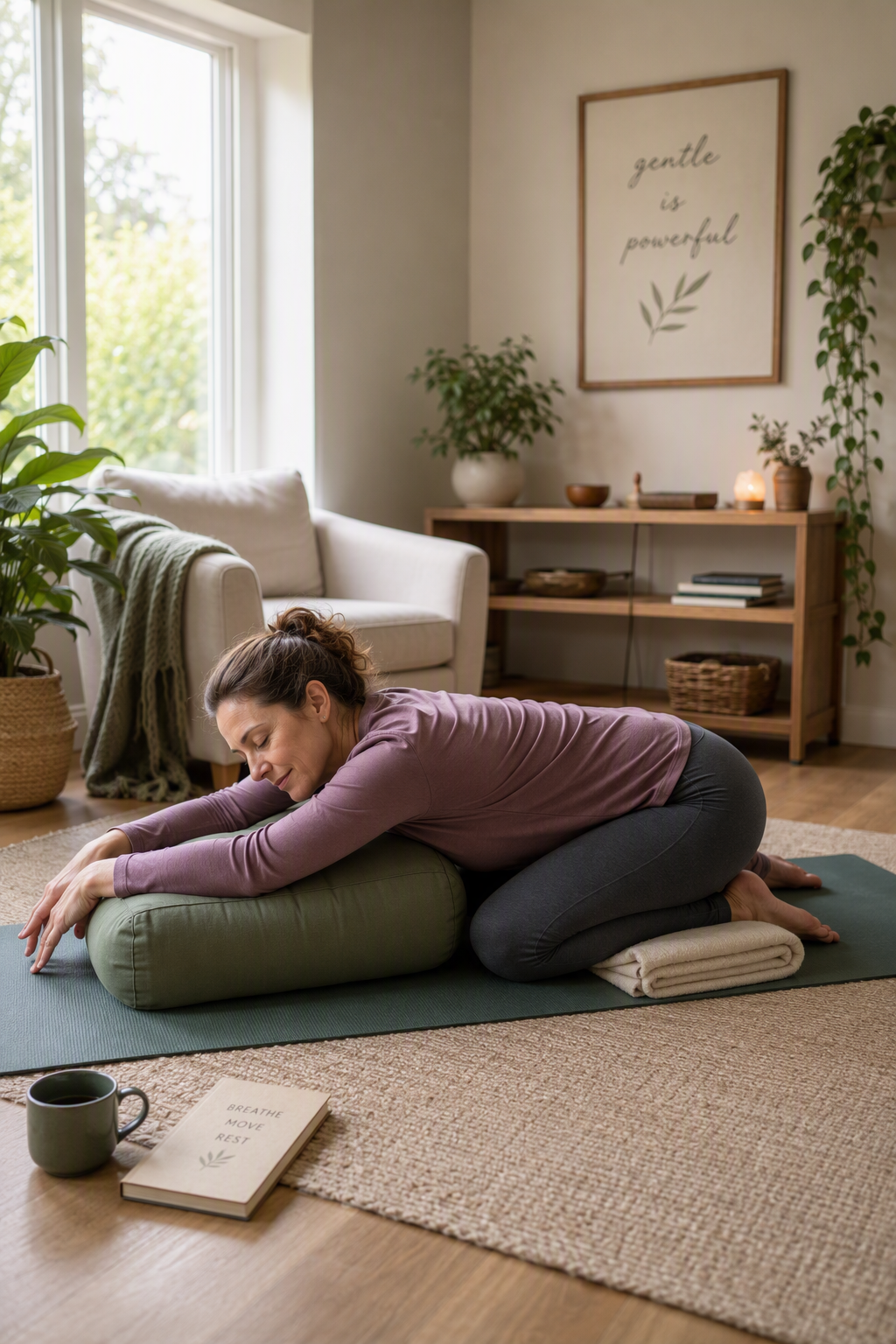
- Child’s Pose for lower back pain and general release
- Downward Dog to stretch the back body
- gentle twists to reduce stiffness
- supported backbends such as Supported Bridge
- poses that open the shoulders and spine
These choices can be useful for chronic low back pain or daily tightness from sitting and stress. Move slowly and keep the pose comfortable. A yoga pose should feel supportive, not sharp or forced. With regular yoga practice, many people notice easier movement and less tension through the back and neck.
Poses for Joint and Muscle Pain
Joint pain and muscle tension often respond well to slow, supported movement. The best physical postures are usually the ones that improve comfort without strain. Gentle stretching can help reduce joint stiffness and support a better range of motion over time.
Helpful pose ideas include:
- Reclining Bound Angle for supported opening
- Supported Bridge for gentle lift and release
- Yin-style holds for hips and spine
- Hatha yoga postures held with ease
- simple stretches for shoulders, hips, and lower back
These movements can be useful when pain comes with limited mobility or stiffness from chronic conditions. Since yoga can be adapted, you do not need deep stretches to benefit. Small, steady sessions often help more than pushing too hard. That makes gentle yoga a practical option for everyday relief.
Safely Practicing Yoga with Pain
Yoga can support pain relief, but safety comes first. If you are dealing with persistent discomfort, it helps to treat yoga practice as part of a wider pain management plan. That means starting small, choosing gentle options, and paying attention to how your body responds.
There can be risks if you push through pain or ignore your limits. It is smart to talk with a health care provider before starting, especially if you have ongoing health conditions. The next points cover simple ways to practice more safely.
Essential Modifications and Props
Yes, yoga can be safe to try with persistent pain when you use the right modifications. Props offer additional support and can make positions more comfortable. They also help you work within your current ability instead of forcing a shape.
This is especially useful if you have limited mobility, joint stiffness, or other health conditions. A few small changes can improve comfort and create better alignment, which lowers strain on sensitive areas.
Helpful supports include:
- blocks to bring the floor closer
- straps to reduce reaching and pulling
- bolsters or blankets for cushioning
- a stable yoga mat for comfort and grip
Using props does not make the practice less effective. In many cases, it makes it more sustainable. Supportive changes can help you stay relaxed, move with care, and build trust in your body over time.
Mistakes to Avoid When Using Yoga for Relief
The most common mistake is doing too much, too soon. Yoga for pain management should feel steady and supportive. If you push through pain, chase deep stretches, or copy a general class without changes, you may irritate already sensitive areas.
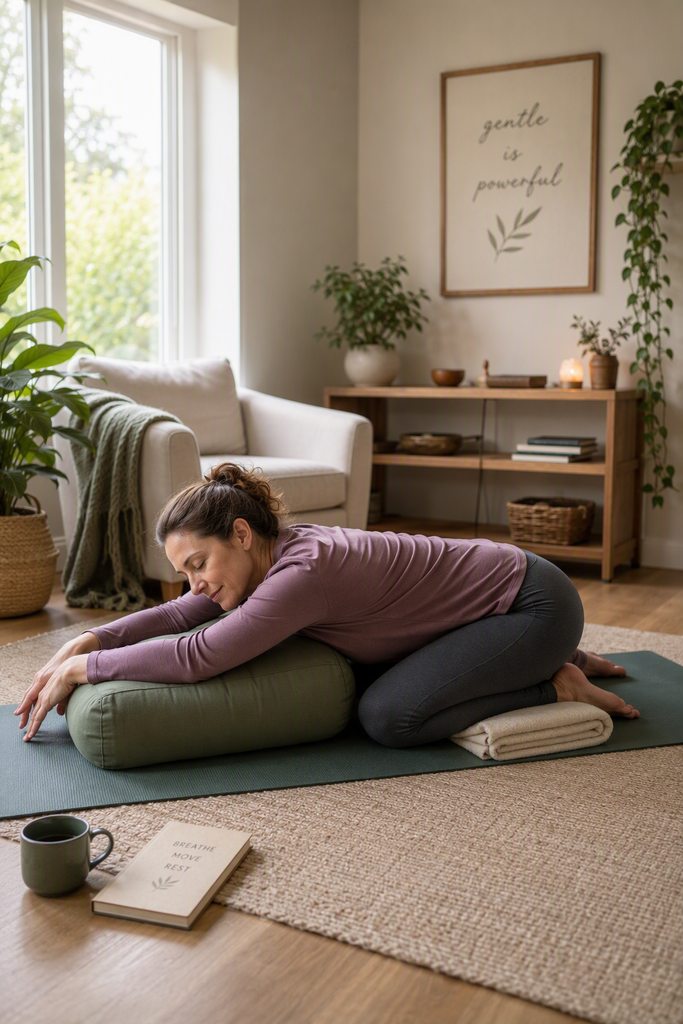
It also helps to remember that pain conditions vary. What works for one person may not fit your specific needs. If possible, work with an experienced teacher or a yoga therapist who understands how to adjust movement safely.
Try to avoid these habits:
- pushing through sharp or rising pain
- skipping props during gentle yoga
- ignoring limited mobility or fatigue
- choosing poses that do not fit your pain conditions
- practicing without guidance when you need individual changes
Conclusion
In conclusion, incorporating yoga into your daily routine can significantly enhance your ability to manage and alleviate pain. By understanding the various techniques—from breathwork to mindful meditation—you can transform your perception of pain and promote overall well-being. The specific poses designed for back, neck, joint, and muscle relief provide targeted assistance, while the modifications ensure a safe practice tailored to your needs. Remember, being mindful of your body and its signals is crucial as you explore these techniques. If you’re ready to embark on your journey to pain relief through yoga, don’t hesitate to reach out for a free consultation to learn more about personalized approaches that can work best for you.
Frequently Asked Questions
How often should I practice yoga to experience pain relief benefits?
A regular yoga practice of 2 to 3 times a week can support pain relief and better pain management. Even short term sessions of 10 to 15 minutes may help if you stay consistent. Start small, keep it gentle, and let your body adjust over time.
Is yoga safe if I have a chronic or persistent pain condition?
Yoga practice can be safe for chronic pain when it is adapted to your pain conditions. Begin gently, use props, and avoid pushing through discomfort. It is wise to speak with a health care provider first, and a yoga therapist can help tailor the practice to your needs.
How does yoga therapy compare to other pain management techniques?
Yoga therapy works best as part of a holistic approach to pain management, not as a replacement for care. It can complement physical therapy and other treatments by improving mobility, lowering stress, and supporting relaxation. Clinical trials are part of the broader discussion, but the key strength is whole-person support.
https://www.healthline.com/health/restorative-yoga-poses
https://www.healthline.com/directory/topics
https://pubmed.ncbi.nlm.nih.gov/34326296
https://pubmed.ncbi.nlm.nih.gov/29507946