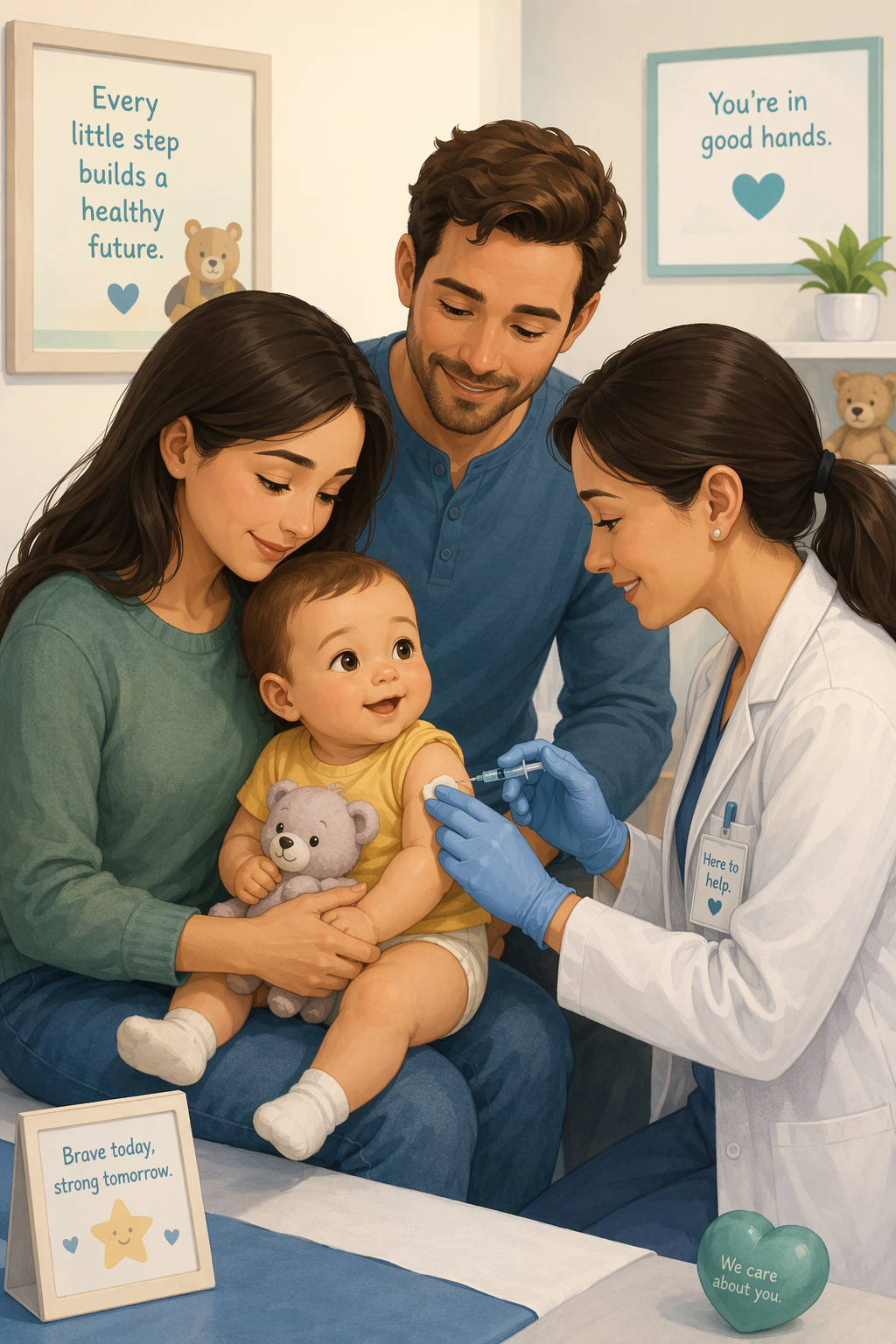

Understanding Baby Vaccines and What They Do for Health
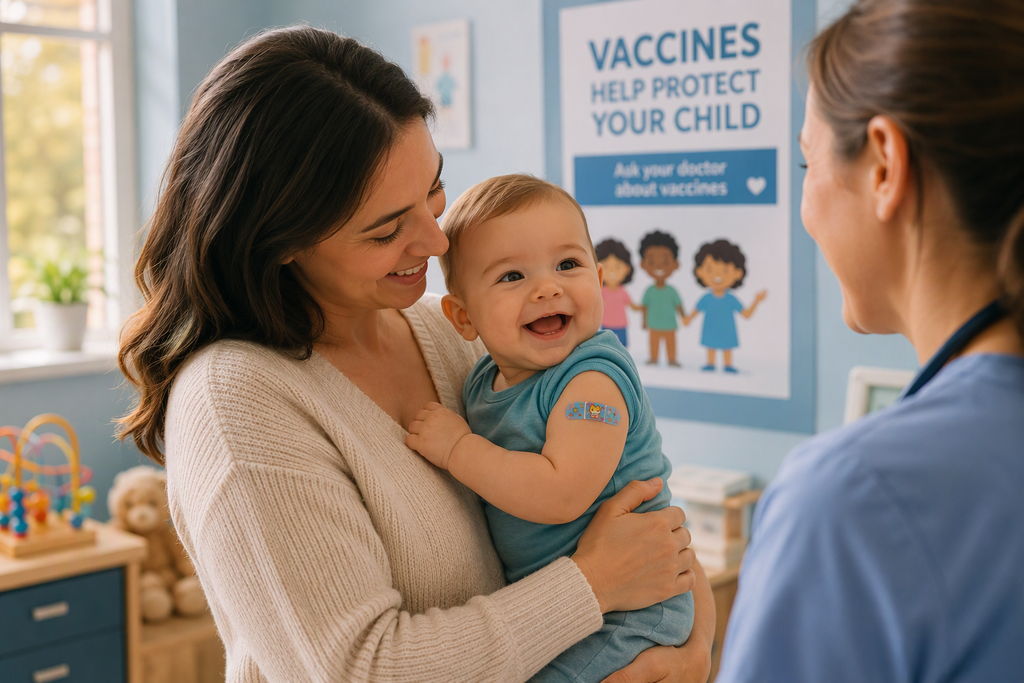
Key Highlights
- Baby vaccines help protect against serious diseases that can affect infants in the first year.
- The recommended vaccination schedule is designed to guard babies when they are at higher risk.
- Immunization schedules in the United States begin within hours of birth with hepatitis B.
- Common shots help prevent preventable diseases such as polio, Hib, and pneumococcal disease.
- Your health care provider can explain timing, doses, and catch-up options if a vaccine is missed.
- Staying on the vaccine schedule offers early, reliable protection while your baby grows.
Introduction
Babies are born with developing immune systems, which means they face a higher risk from infections that can cause serious illness. That is why childhood vaccines matter so much in the early months. They help your baby build protection before exposure to harmful germs becomes a problem. If you have ever wondered what each shot does or why timing matters, this guide explains the basics in simple terms so you can feel more confident about your baby’s care.
The Importance of Baby Vaccines for Health
In the first months of life, babies face a higher risk from infections that can turn serious fast. That is why vaccines are part of routine health care. They offer the best protection against preventable diseases before your baby is likely to encounter them.
Following the recommended vaccination schedule matters because timing is part of the protection. Each vaccine schedule is built to guard babies when they are most vulnerable to serious diseases. The next sections explain how that protection works and why staying on time helps.
How Vaccines Protect Babies From Serious Diseases
Vaccines train babies’ immune systems to recognize and fight germs before a real infection causes harm. This gives the body a safer way to prepare. Instead of learning during a dangerous illness, your baby’s immune systems get practice ahead of time.
That early preparation matters because many vaccine-preventable diseases can be severe in infancy. Whooping cough can be especially dangerous for babies. RSV can lead to difficulty breathing and trouble eating, sometimes requiring hospital care and hydration. Hib and polio can also lead to lasting disease complications.
In simple terms, common baby vaccines help block specific preventable diseases before they spread in the body. Hepatitis B helps prevent infection that can cause liver damage. DTaP protects against diphtheria, tetanus, and whooping cough. Polio vaccine helps prevent paralysis. Hib vaccine protects against a serious bacterial illness in young children.
Benefits of Following the Recommended Immunization Schedule
The recommended vaccination schedule is not random. It is timed to give babies the best protection when infections are most likely to be dangerous. In the early months, waiting can leave gaps in defense during a vulnerable stage.
Your child’s childhood immunization schedule also makes sure doses build on each other in the right order. Some vaccines need more than one dose for strong protection. If you have questions, your health care provider can explain what your baby needs and when.
Key benefits include:
- Protection starts early, when babies need extra help the most.
- Doses are spaced to strengthen immunity over time.
- The schedule reduces the chance of falling behind on important shots.
- It helps protect against several serious infections in one plan.
Understanding the Baby Vaccine Schedule in the United States
In the United States, the baby vaccine schedule starts early, often within hours of birth. Immunization schedules are organized by age so your baby gets protection when it is needed most. This is why some vaccines begin right away and others are given over several visits.
During the first year, several shots are given in a series. For example, there are multiple doses of the Hib vaccine and multiple doses of the rotavirus vaccine, depending on the brand. A closer look at the first-year schedule makes this easier to follow.
Key Vaccines Given From Birth to 12 Months
The first-year vaccine schedule includes several vaccines given at birth, 1 to 2 months, 4 months, 6 months, and later in infancy. The hepatitis B vaccine starts within hours of birth. Other routine vaccines then begin across the next months of age.
Here is a simple text table:
| Months of age | Key vaccines commonly given |
|---|---|
| Birth | Hepatitis B vaccine within hours of birth; RSV immunization for eligible infants during RSV season |
| 1 to 2 months | DTaP vaccine, Hib vaccine, hepatitis B vaccine, IPV, PCV, rotavirus vaccine |
| 4 months | DTaP vaccine, Hib vaccine, IPV, PCV, rotavirus vaccine |
| 6 months | DTaP vaccine, Hib vaccine, hepatitis B vaccine, IPV, PCV, rotavirus vaccine, and discussion of COVID-19 vaccine |
By 12 through 23 months, babies also begin vaccines such as the MMR vaccine, chickenpox vaccine, and hepatitis A. In the first year itself, the focus is on building early protection through repeated doses of the Hib vaccine and doses of the rotavirus vaccine, plus other routine shots.
Why Vaccines Are Administered at Specific Ages
Vaccines are given at specific ages because babies do not face the same risks at every stage. In the United States, the schedule is set up to protect younger children when they are at higher risk from certain infections. Earlier vaccination helps close that gap quickly.
Some vaccines work best as a series. A 1st dose introduces protection, and a 2nd dose or later dose builds on it. That is why you see repeat visits for DTaP, polio, Hib, and pneumococcal vaccines during infancy.
As children grow, some vaccines are added later because the timing fits how protection is built. For example, a booster shot may be needed in later childhood to keep immunity strong. The age-based plan is meant to provide steady coverage, not extra visits without purpose.
Common Baby Vaccines and What They Do
Many childhood vaccines have simple goals: stop infections before they start and lower the chance of severe complications. For babies, this includes protection against hepatitis B, polio, haemophilus influenzae type b, and illnesses covered by the DTaP vaccine.
Later in the schedule, other vaccines such as the chickenpox vaccine and shots for pneumococcal disease continue that protection. Together, they target preventable diseases that can be much harder on infants and young children than on older kids. The next examples break this down clearly.
Vaccines for Hepatitis B, DTaP, Polio, and Hib
These vaccines cover several major risks in infancy. The hepatitis B vaccine protects against hepatitis B, an infection that can lead to liver damage and liver cancer. Babies can be exposed at birth, which is why the first dose is given so early.
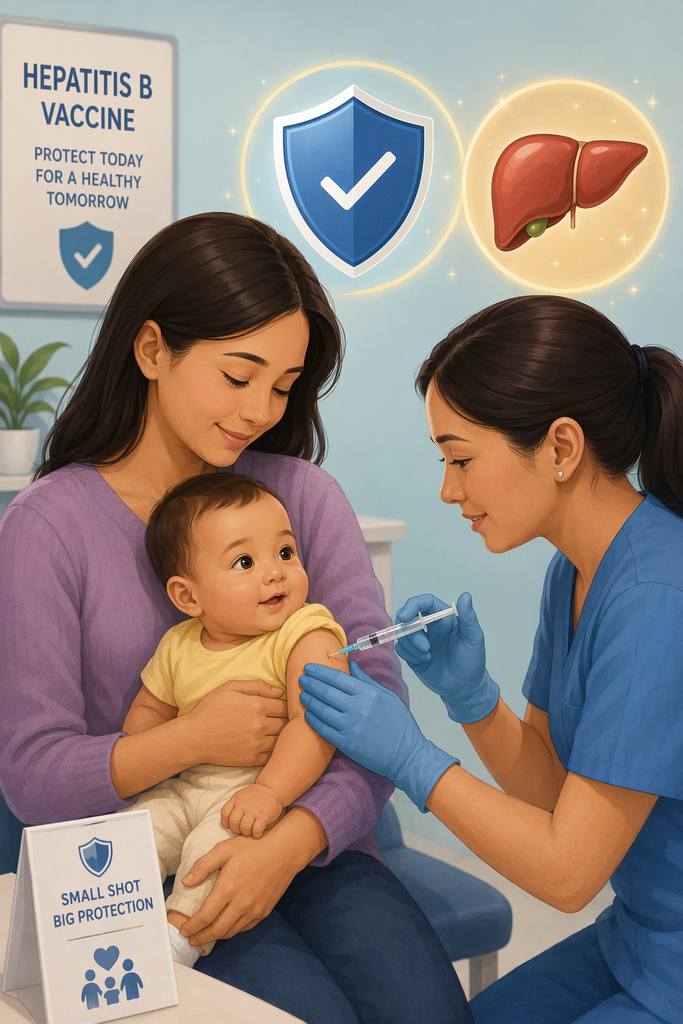
The DTaP vaccine protects against diphtheria, tetanus, and whooping cough. Polio vaccine protects against a virus that can infect the spinal cord and cause paralysis. The Hib vaccine protects against haemophilus influenzae type b, also called haemophilus influenzae type or influenzae type b in medical references.
In simple terms:
- Hepatitis B vaccine helps prevent a liver infection that can become lifelong.
- DTaP vaccine protects against three dangerous infections, including whooping cough.
- Polio vaccine helps protect the nervous system and spinal cord from paralysis.
- Hib vaccine helps prevent serious illness caused by haemophilus influenzae type b.
- Hepatitis A is given later, starting at 12 through 23 months.
What the Pneumococcal and Rotavirus Vaccines Prevent
Pneumococcal vaccine helps protect babies from pneumococcal disease, which can cause serious illness and even deadly infections. This vaccine is given in a series during infancy so protection builds over time when babies are still very young.
Rotavirus vaccine protects against a virus that can be very dangerous for babies and young children. Doctors recommend different doses of the rotavirus vaccine depending on the brand, usually two or three doses. The goal is early protection before severe infection occurs.
Here is the simple version:
- Pneumococcal vaccine helps prevent infections caused by bacteria linked to pneumococcal disease.
- Rotavirus vaccine helps prevent severe illness from rotavirus in babies.
- Some infections can lead to major disease complications in young children.
- RSV is different from rotavirus, but respiratory syncytial virus can also cause severe breathing problems.
- Certain severe infections in children may lead to lifelong harm, including brain damage in some illnesses.
How Baby Vaccines Build Immune Protection
Vaccines help teach babies’ immune systems what to fight before a real infection takes hold. That matters because a child’s immune system is still developing, and infants face a higher risk from serious diseases than older children do.
In practical terms, vaccination is the best way to prepare the body against preventable diseases during early life. Instead of waiting for a baby to get sick, vaccines build protection in advance. The following sections explain what happens after vaccination and why early doses matter over time.
What Happens in the Immune System After Vaccination
After vaccination, the body begins learning to recognize the targeted germ. This is how immune systems prepare for future exposure. Your child’s immune system is not being overwhelmed. It is being taught what to do before the real threat appears.
That early learning is the best way to lower the chance that preventable diseases will cause severe harm. Instead of fighting an infection without preparation, the body has a head start. This is especially important in infancy, when babies are more vulnerable.
Some immunizations even give extra help in a different way. For example, RSV immunization for infants uses monoclonal antibodies to protect against severe RSV disease. Whether the protection comes through routine vaccination or added support, the vaccine schedule is built to strengthen defense at the right time.
Long-Term Benefits of Early Childhood Immunization
Early protection can shape health well beyond infancy. Earlier vaccination lowers the chance that babies will face serious illness during the months when they are at higher risk. It also supports ongoing protection as children move through the full childhood immunization schedule.
Some vaccines continue into later years of age with more doses or a booster shot. That does not mean the early doses were not enough. It means immunity is strengthened and maintained as your child grows and new risks appear.
Long-term benefits include:
- Fewer chances for severe disease complications in early life.
- Protection that begins before common exposures happen.
- A smoother path for later doses in the childhood immunization schedule.
- Stronger ongoing coverage when a booster shot is due.
- Lower risk from illnesses that can be especially hard on infants.
Baby Vaccine Safety and Possible Side Effects
Many parents ask about safety, and that is a fair question. Baby vaccines are used to prevent serious illness, and most reactions after a shot are mild. You may notice some soreness at the injection site or a temporary change in how your baby feels.
Serious problems are not the usual outcome, but it is still important to know what to watch for. Rare side effects and an allergic reaction can happen, so your health care provider is the best person to contact if something seems unusual. Let’s look at this more closely.
Are Baby Vaccines Safe?
Baby vaccines are widely used because they protect against serious illness at a stage when babies are especially vulnerable. The routine schedule in the United States is part of standard infant care, starting right after birth and continuing through early childhood.
No medical product is completely free from risk, but the main concern for most families should be the diseases these vaccines help prevent. Illnesses such as whooping cough, Hib disease, hepatitis B, and pneumococcal infections can be severe in young children. That is why protection begins so early.
If you have questions about a specific shot, speak with your health care provider. You can also ask about official immunization schedules used in the United States, including those supported by groups such as the American Academy of Pediatrics. They can help you understand benefits, timing, and rare side effects.
Mild Side Effects Parents May Notice
After a vaccine visit, many babies do well with little or no trouble. When reactions happen, they are often mild side effects rather than signs of danger. Parents usually notice small, short-term changes rather than anything severe.
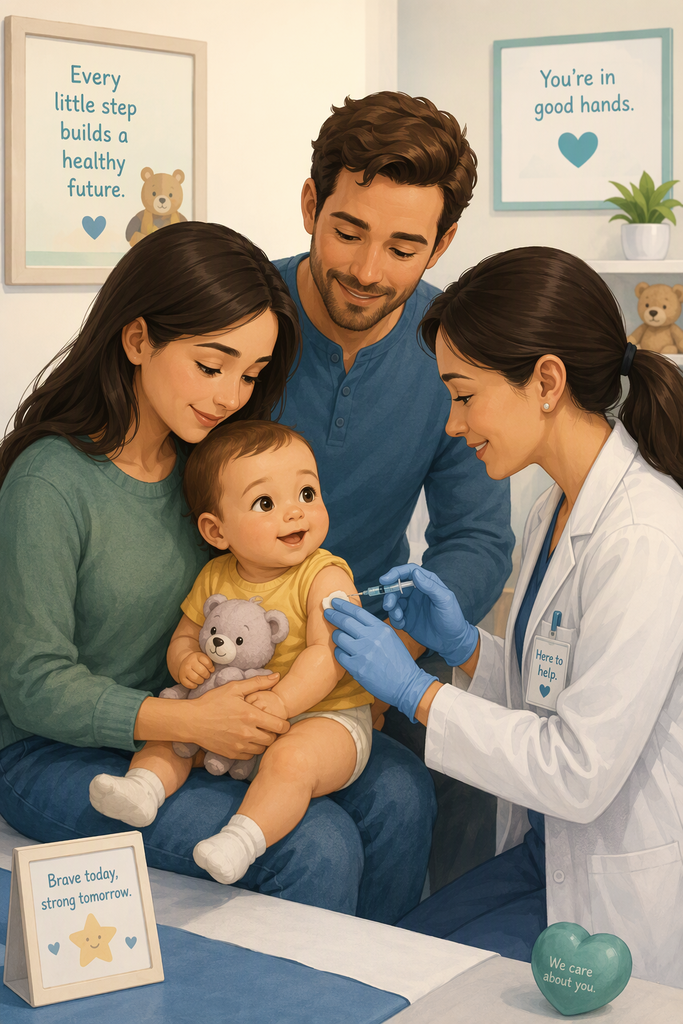
For example, your baby may seem uncomfortable where the shot was given. The injection site may be tender for a short time. This can be upsetting to see, but mild reactions are not the same as a severe response.
Things parents may notice include:
- Soreness or tenderness at the injection site
- Brief fussiness after the appointment
- Mild side effects that pass without lasting problems
- Questions about what is normal after a vaccine visit
- Concern about an allergic reaction if symptoms seem unusual
Frequently Asked Questions About Baby Vaccines
Vaccines often raise questions for new parents. For instance, many wonder about the safety of the current immunization schedules recommended by the American Academy of Pediatrics. Concerns about potential side effects, such as allergic reactions or discomfort at the injection site, are common. Parents also frequently ask about the timing of vaccines, like the first dose of the hepatitis B vaccine given just hours after birth or the significance of booster shots, ensuring strong protection against diseases like pneumonia and meningococcal disease.
What if My Baby Misses a Scheduled Vaccine?
If your baby misses part of the vaccine schedule, contact your healthcare provider. They can review the recommended vaccination schedule and tell you what comes next. In many cases, a catch-up schedule can help your baby get back on track without starting over, giving extra help where needed.
Are There Any Myths or Misconceptions About Baby Vaccines?
Yes, there are myths, which is why it helps to speak with a health care provider instead of relying on rumors. Vaccines are used to protect babies from preventable diseases that can cause serious illness, especially when infants are at higher risk. Concerns about rare side effects should be discussed with a professional.
Where Can I Find the Official Baby Immunization Schedule?
You can find official immunization schedules through trusted health sources in the United States and by asking your health care provider. Parents also often look for the recommended vaccination schedule from organizations such as the American Academy of Pediatrics, which can help explain what is due and when.
Conclusion
Understanding baby vaccines is crucial for ensuring the health and wellbeing of your little one. They play a vital role in protecting babies from serious diseases and help build their immune systems, establishing a strong foundation for a healthy future. By following the recommended immunization schedule, parents can ensure that their children receive all necessary vaccinations at the appropriate ages, maximizing the benefits while minimizing potential health risks. It’s natural to have questions or concerns, but being informed is the first step towards making the best choices for your child’s health. If you need further guidance or have specific questions, don’t hesitate to reach out for more information and support.
https://www.cdc.gov/pneumococcal/index.html
https://www.cdc.gov/tetanus/index.html
https://order.store.mayoclinic.com/flex/mmv/incon01
https://tools.cdc.gov/campaignproxyservice/subscriptions.aspx#featured