
Exploring the Best Diabetes Control Drugs for You
Key Highlights
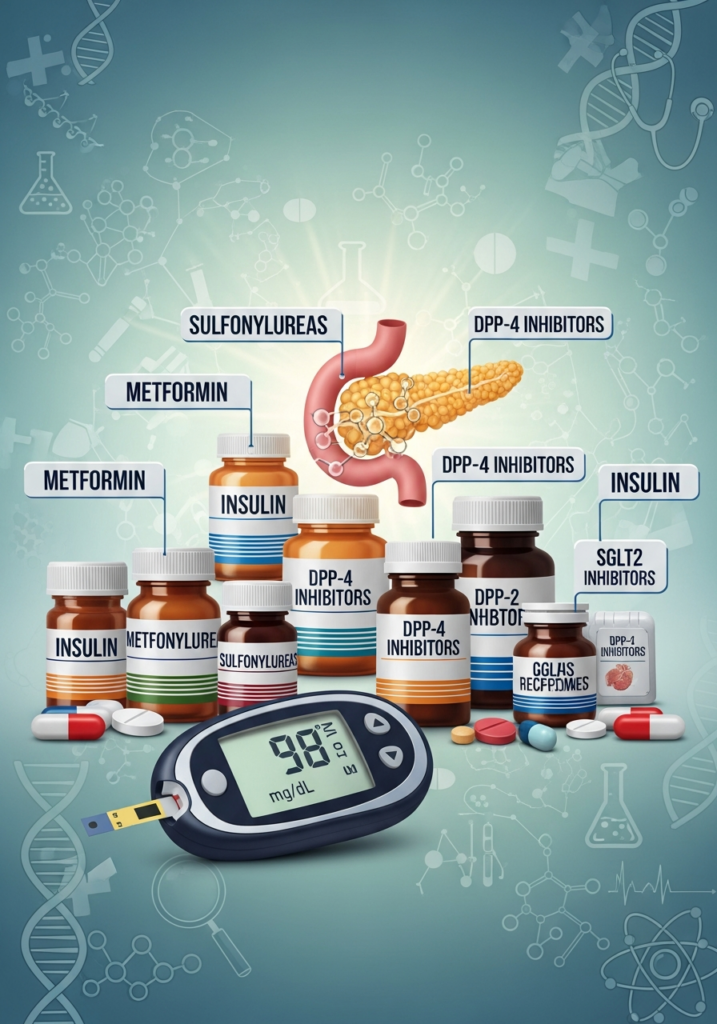
Here’s a quick look at what we’ll cover in this guide to diabetes medications: Managing your blood sugar is the main goal of all diabetes medications. Your ideal medication depends on the type of diabetes you have, your health, and other factors. In this guide, you will also find a comprehensive list of commonly prescribed diabetes medications, making it easy to understand your options for managing blood sugar based on your type of diabetes.
- Managing your blood sugar is the main goal of all diabetes medications.
- Your ideal medication depends on the type of diabetes you have, your health, and other factors.
- Diabetes medications come in oral (pills) and injectable forms, each working in different ways to control blood sugar levels.
- A personalized treatment plan is created with your healthcare provider.
- Some drugs also offer benefits like reducing the risk of heart disease.
Introduction
Managing diabetes can feel overwhelming, but finding the right medication is a huge step toward better health. Diabetes is a condition that leads to high blood sugar, and without proper diabetes care, it can put you at high risk for other health issues. Thankfully, a wide range of diabetes medications is available to help you manage your condition effectively. This guide will walk you through the different types of drugs available, helping you understand your options and have more informed conversations with your doctor.
Understanding Diabetes and Medication Needs
Diabetes mellitus is a condition where your body struggles to make or properly use insulin, a hormone that regulates blood sugar. Without effective management, consistently high blood sugar can lead to serious diabetes complications.
The treatment of type 2 diabetes, in particular, often involves a combination of lifestyle changes and medication. Understanding the different risk factors and how they play into your condition is crucial for choosing the right drug. We will explore the types of diabetes and the key considerations for selecting a medication.
Types of Diabetes and How They Affect Drug Choices
There are two main different types of diabetes, and your diagnosis directly impacts your medication options. If you have type 1 diabetes, your body doesn’t produce insulin, so treatment involves replacing it with synthetic insulin injections or an insulin pump.
For type 2 diabetes, the body either doesn’t use insulin well (insulin resistance) or can’t produce enough to keep glucose levels in check. The medications for type 2 diabetes, which are widely available in the United States, work in various ways to improve insulin’s effectiveness or lower blood sugar.
Certain risk factors and conditions, like advanced kidney disease or pregnancy, can also influence drug choices. For example, metformin is the only oral medication considered safe during pregnancy, while other drugs may be better suited for older adults to avoid specific side effects.
Key Factors in Selecting the Right Diabetes Medication
Choosing the right diabetes medication isn’t a one-size-fits-all process. Your healthcare provider will consider several personal health factors to find the best fit for you. This includes your specific type of diabetes, your A1c levels, and any other health conditions you may have.
Some medications can affect body weight, with some causing weight gain while others may help with weight loss. Your doctor will also evaluate your risk factors for other conditions. For instance, if you have a history of heart, kidney disease, or liver disease, certain drugs will be safer and more effective for you than others.
Key factors your doctor will consider include:
- Your overall health and any existing conditions.
- Potential side effects, like low blood sugar or weight gain.
- How the drug is taken (oral vs. injectable).
- Your lifestyle and personal preferences.
Overview of Commonly Prescribed Diabetes Control Drugs
There is a wide array of diabetes medicines available today, all designed to help lower blood glucose to a healthy range. These medications work through different mechanisms, such as increasing insulin production, improving your body’s sensitivity to insulin, or removing extra sugar from your system.
The method of drug administration varies, from pills taken by mouth to injections. It’s also important to be aware of the common side effects associated with each class of medication. Next, we will cover some of the most popular oral and injectable options your doctor might prescribe.
Popular Oral Medications for Blood Sugar Management
An oral medication is often the first line of defense for managing blood sugar in type 2 diabetes. These pills work in several ways. For example, some drugs, like Metformin, reduce glucose production in the liver, while others stimulate the pancreas to release more insulin.
These medications are convenient but may come with side effects like stomach upset or, for some classes, a high risk of low blood sugar. It’s helpful to know both the generic and brand names of these drugs to understand what you are taking.
Popular classes of oral medications include:
- Biguanides: Metformin (Glucophage)
- Sulfonylureas: Glipizide (Glucotrol), Glyburide (Diabeta)
- DPP-4 Inhibitors: Sitagliptin (Januvia), Linagliptin (Tradjenta)
- SGLT2 Inhibitors: Empagliflozin (Jardiance), Dapagliflozin (Farxiga)
Injectable Options for Diabetes Treatment
Beyond insulin, there are other injectable options for diabetes treatment. The method of drug administration for these is under the skin, similar to insulin. These medications can be very effective, especially when oral drugs aren’t enough to control blood sugar.
GLP-1 receptor agonists are a popular class of injectables. They work by increasing insulin release when needed, slowing digestion, and reducing appetite. This improves insulin sensitivity and can also lead to weight loss. Like all medications, they can have adverse effects, such as nausea or abdominal pain.
Common injectable options include:
- GLP-1 receptor agonists: Liraglutide (Victoza), Semaglutide (Ozempic), Dulaglutide (Trulicity)
- Amylinomimetic injectables: Pramlintide (SymlinPen)
- Insulin: Various types available
Safe and Effective Drugs for Type 2 Diabetes
For this type of diabetes, the goal is to find a medication that effectively lowers blood glucose levels while minimizing side effects. Many modern drugs do more than just manage sugar; some also lower the risk of heart disease, a common complication of diabetes.
These medications work through various mechanisms, such as reducing glucose production in the liver or helping the kidneys excrete excess sugar. Let’s look at some of the most common and effective drugs, starting with the most widely prescribed one: metformin.
Metformin and Alternatives
Metformin is typically the first medication prescribed for type 2 diabetes because it’s effective, well-studied, and generally safe. It works primarily by reducing hepatic glucose production. However, it’s not suitable for everyone, especially those with poor kidney function, as it can increase the risk of a rare but serious condition called lactic acidosis.
If you can’t take metformin or it isn’t effective enough, there are several alternatives. Your doctor might suggest another class of oral medication or an injectable drug depending on your specific health needs.
Here are some common alternatives to metformin:
| Medication Class | How It Works | Examples |
|---|---|---|
| Sulfonylureas | Stimulates the pancreas to release more insulin. | Glipizide, Glyburide |
| DPP-4 Inhibitors | Helps the body produce more insulin when needed. | Sitagliptin, Linagliptin |
| SGLT2 Inhibitors | Helps the kidneys remove excess sugar through urine. | Canagliflozin, Empagliflozin |
| GLP-1 Receptor Agonists | Increases insulin release and slows digestion. | Liraglutide, Semaglutide |
Sulfonylureas, DPP-4 Inhibitors, and SGLT2 Inhibitors
Beyond metformin, several other classes of oral drugs are highly effective. Sulfonylureas are an older class of medication that stimulates your pancreas to produce more insulin. A primary downside is the risk of low blood sugar (hypoglycemia).
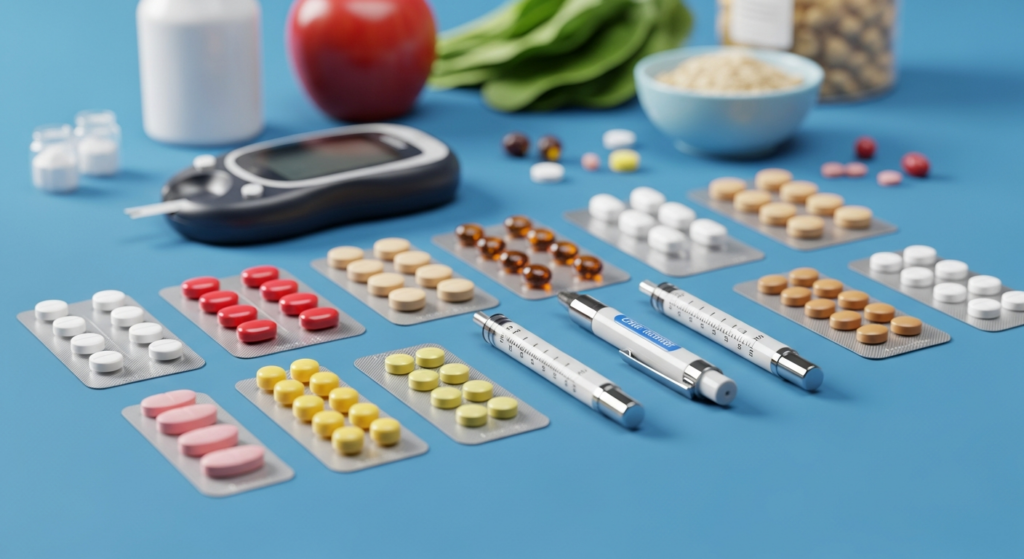
Dipeptidyl peptidase-4 (DPP-4) inhibitors work by helping your body produce more insulin, but only when blood sugar is high, reducing the risk of hypoglycemia. SGLT2 inhibitors represent a newer class of drugs. They work by causing your kidneys to flush out excess glucose in your urine. This can also lead to modest weight loss and lower blood pressure.
Possible side effects for these classes include:
- Sulfonylureas: Risk of low blood sugar, weight gain.
- DPP-4 Inhibitors: Headaches, gastrointestinal issues.
- SGLT2 Inhibitors: Urinary tract infections, vaginal yeast infections.
Medications for Type 1 Diabetes Control
The treatment for this type of diabetes is very different from type 2. Because the pancreas does not produce insulin, the cornerstone of diabetes treatment is replacing it. Unlike type 2 diabetes, insulin resistance is not the primary issue.
The main goal is to provide the body with the insulin it needs to manage blood glucose effectively. While insulin is the primary medication, other therapies can be used alongside it to improve control. We’ll explore the different types of insulin and other helpful therapies.
Insulin Types and Their Uses
Insulin is the most essential medication for anyone with type 1 diabetes. It is used to manage blood glucose and must be taken daily. There are many different types of insulin, categorized by how quickly they work, when they peak, and how long they last.
Your doctor will prescribe a combination that mimics how a healthy pancreas would work, providing a steady background level of insulin and extra doses for meals. Managing insulin therapy requires careful monitoring of blood glucose levels to avoid highs and lows, especially the risk of hypoglycemia. You will become familiar with various brand names for these products.
Common insulin types include:
- Rapid-acting: Starts working in 15 minutes (e.g., NovoLog, Humalog).
- Short-acting: Starts working in 30 minutes (e.g., Humulin R, Novolin R).
- Intermediate-acting: Lasts 12-18 hours (e.g., Humulin N, Novolin N).
- Long-acting: Lasts up to 24 hours or more (e.g., Lantus, Tresiba).
Amylin Analogues and Adjunct Therapies
While insulin is the primary treatment, other diabetes medicines can be used to improve control. These are known as adjunct therapies. Amylin analogues are one such option. Pramlintide (SymlinPen) is an injectable medication that mimics the hormone amylin, which is also deficient in people with type 1 diabetes.
This therapy helps by slowing down how quickly food leaves your stomach, reducing the spike in blood sugar after meals, and promoting a feeling of fullness. It is always used in addition to insulin, not as a replacement.
As with any medication, it’s important to be aware of potential adverse effects.
- Pramlintide is injected before meals.
- It helps lower post-meal blood sugar levels.
- It can also reduce appetite, which may help with weight management.
- The main side effect is nausea.
Comparing Oral vs. Injectable Diabetes Medications
When it comes to managing type 2 diabetes, you have options for drug administration. While an oral medication is often the starting point, injectable diabetes medications play a crucial role, especially as the condition progresses.
Both types are designed to help control your blood sugar, but they work in different ways and have unique pros and cons. Understanding these differences can help you and your doctor decide on the best path forward. Let’s compare their effectiveness and other practical considerations.
Effectiveness in Blood Sugar Control
The effectiveness of diabetes drugs varies depending on the medication class and the individual. Oral medications can be very effective at lowering blood sugar, especially in the early stages of type 2 diabetes. Metformin, for instance, is a powerful tool for reducing glucose levels.
However, some injectable medications, like GLP-1 receptor agonists and insulin, are often more potent at lowering A1c. Their effectiveness is a key reason they are used when oral agents are not enough.
Additionally, some injectables offer benefits beyond blood sugar control, such as promoting weight loss, while some oral drugs can cause an increase in body weight. Ultimately, the best choice depends on how much your glucose levels need to be lowered and your other health goals.
Side Effects and Practical Considerations
Every medication comes with a potential side effect profile. For oral medications, common side effects often include gastrointestinal issues like nausea, bloating, or diarrhea. In contrast, injectables might cause injection-site reactions or a different set of digestive issues, such as abdominal pain.
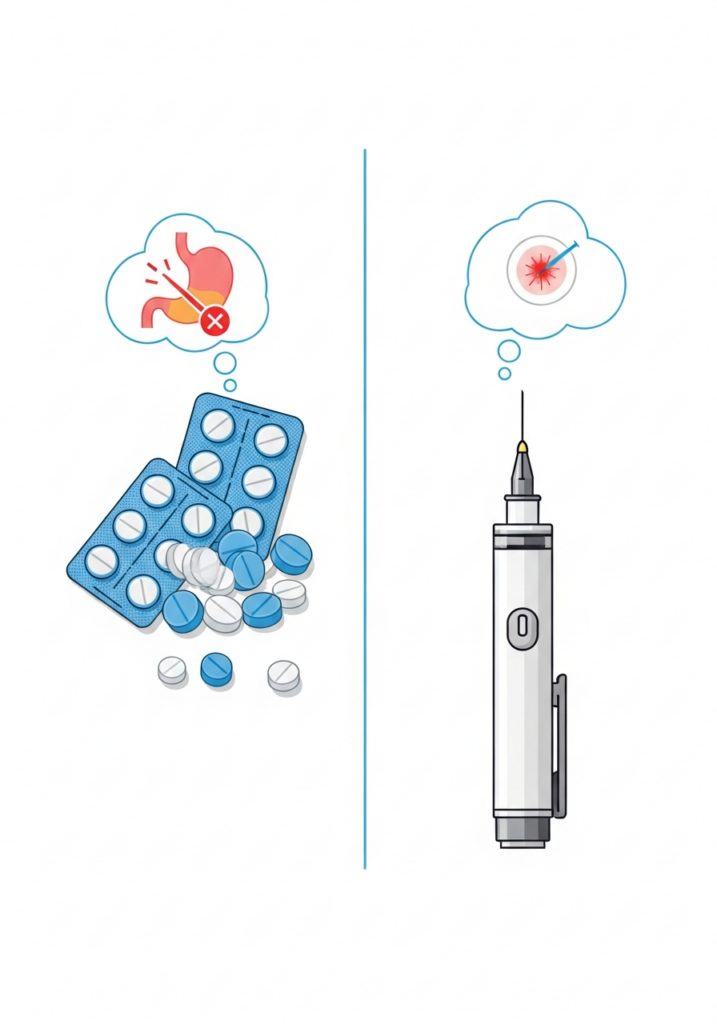
The risk of hypoglycemia (low blood sugar) is another critical factor. Certain oral drugs, like sulfonylureas, carry a higher risk, as does insulin. Many newer oral and injectable medications are designed to have a lower risk of this serious complication.
Practical considerations include:
- The convenience of taking a pill versus giving an injection.
- The cost and insurance coverage for each medication.
- The frequency of dosing (once a day vs. multiple times).
- The potential for adverse events and how to manage them.
Conclusion
In conclusion, choosing the right diabetes control drug is crucial for managing your condition effectively and maintaining a healthy lifestyle. With various options available, from oral medications like Metformin to injectable insulin therapies, it’s essential to consider your specific needs and how each medication fits into your overall treatment plan. Additionally, factors like side effects, effectiveness, and personal preferences should guide your decision-making process. Remember, your journey toward better health doesn’t have to be taken alone. If you have questions or need guidance tailored to your unique situation, don’t hesitate to reach out for a free consultation. Taking this step can empower you to manage your diabetes with confidence and clarity.
Frequently Asked Questions
Which diabetes medications are safest for long-term use?
Metformin is widely considered one of the safest diabetes medicines for long-term use due to extensive research and a low risk of hypoglycemia. Newer diabetes medicines like SGLT2 inhibitors and GLP-1 receptor agonists also have strong safety profiles and offer additional heart and kidney benefits, making them excellent choices for long-term diabetes treatment.
Are there newer diabetes drugs with better outcomes?
Yes, newer diabetes medications like SGLT2 inhibitors and GLP-1 receptor agonists have shown excellent outcomes in clinical trials. Beyond lowering blood sugar, they offer protective effects against cardiovascular disease and chronic kidney disease. Their unique methods of drug administration and benefits are changing how type 2 diabetes is managed.
Can certain diabetes medications help lower heart attack and stroke risk?
Absolutely. SGLT2 inhibitors (like Jardiance and Farxiga) and GLP-1 receptor agonists (like Ozempic and Victoza) have been proven to lower the risk of heart attack, stroke, and death from cardiovascular disease. They can also help manage heart failure and lower blood pressure, reducing the overall risk of adverse cardiovascular events.
https://pubmed.ncbi.nlm.nih.gov/31063571
https://pubmed.ncbi.nlm.nih.gov/31063571
https://api.semanticscholar.org/CorpusID:24531910
https://www.ncbi.nlm.nih.gov/pmc/articles/PMC6626960