
Understanding Pollen What Your Need To Know

Key Highlights
- Pollen allergies happen when your immune system treats harmless pollen as a threat.
- Common allergy symptoms include sneezing, a runny nose, nasal congestion, itchy eyes, and watery eyes.
- Tree pollen, grass pollen, and weed pollen peak at different times of the year.
- Over-the-counter allergy medicines can ease mild to moderate pollen allergy symptoms.
- Prescription treatment options and allergy shots may help if symptoms are persistent or severe.
- Testing by a healthcare provider is the best way to confirm the type of pollen causing problems.
Introduction
If spring or fall leaves you sneezing, rubbing your eyes, or reaching for tissues, pollen allergies may be the reason. These seasonal allergies can feel a lot like a cold, which makes them easy to miss at first. The difference is that your immune system is reacting to tiny pollen particles from trees, grasses, or weeds. Once that happens, allergy symptoms can show up fast and make daily life frustrating, especially when pollen season is in full swing.
What Is a Pollen Allergy?
A pollen allergy is a type of seasonal allergic rhinitis caused by tiny grains of pollen released by trees, grasses, and weeds. When you breathe them in, your immune system may mistake them for something harmful and trigger an allergic reaction.
That response can lead to sneezing, a runny nose, congestion, itchy eyes, and watery eyes during allergy season. Groups like the Allergy Foundation of America describe pollen allergy as one of the most common causes of hay fever. To understand why symptoms happen, it helps to look at the body’s response first.
How the Immune System Reacts to Pollen
It starts when small grains of pollen enter your nose, eyes, mouth, or lungs. In most people, this causes no trouble. But if you have pollen allergies, your immune system reads that pollen as a danger and moves to defend you.
As a result, your body begins the release of histamine and other chemicals. This allergic reaction causes many familiar allergy symptoms, including sneezing, nasal congestion, a runny nose with thin discharge, itchy eyes, watery eyes, coughing, and postnasal drip. Some people also notice eye swelling, fatigue, or even hives on the skin.
That is why the most common symptoms of pollen allergies often appear quickly after exposure, especially outdoors. If your sneezing and runny nose keep returning during the same season, pollen may be the trigger. Next, it helps to know which plants are usually responsible.
Types of Pollen That Commonly Trigger Allergies
Not all pollen behaves the same way. The main types of pollen linked to seasonal allergies are tree pollen, grass pollen, and weed pollen. Each one has its own pollen season, so your symptoms may shift depending on where you live and what is pollinating.
In many parts of the United States, trees pollinate first, often in late winter or early spring. Grass pollen usually follows in late spring and summer. Weed pollen, especially ragweed, tends to peak in late summer and fall. In warmer climates, some pollen may show up earlier or last longer.
Common triggers include:
- Tree pollen from oak, maple, birch, cedar, juniper, and eucalyptus
- Grass pollen from common lawn and field grasses
- Weed pollen from ragweed, mugwort, pigweed, and cocklebur
- Year-round exposure in some mild winter regions
For severe allergies, healthcare providers may recommend prescription medications, corticosteroid nasal sprays, or immunotherapy such as allergy shots or sublingual immunotherapy.
Recognizing Pollen Allergy Symptoms
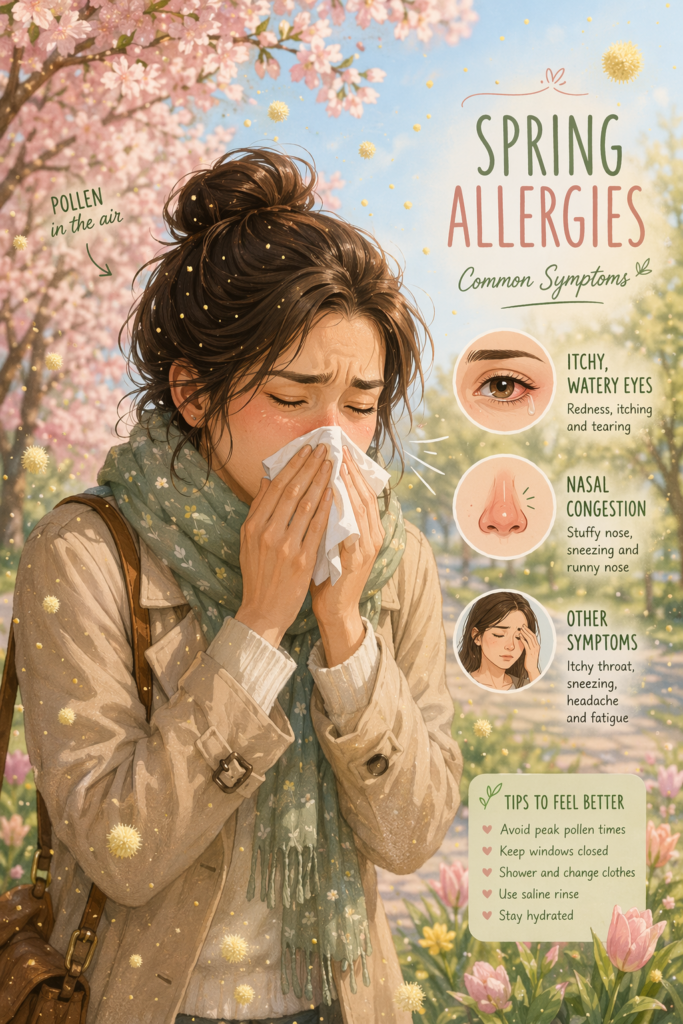
Pollen allergy symptoms often look like hay fever. You may notice sneezing, a runny nose, itchy eyes, watery eyes, or a stuffy nose that flares up during certain seasons. These seasonal allergy symptoms can appear after time outdoors or on dry, breezy days.
For some people, symptoms stay mild. Others deal with coughing, postnasal drip, throat irritation, or fatigue that affects daily comfort. Knowing the usual pattern of pollen allergy symptoms makes it easier to spot what is happening. That leads naturally to who gets these symptoms and when they tend to get worse.
Most Common Symptoms in Children and Adults
Children and adults usually share the same hay fever symptoms, though one person may have mostly eye problems while another struggles with nasal symptoms. Seasonal allergies often return at the same time each year, which is a useful clue.
The most common symptoms include:
- Sneezing that comes in bursts
- A runny nose with clear, watery drainage
- A stuffy nose or ongoing nasal congestion
- Itchy eyes, red eyes, or watery eyes
- Coughing or throat irritation from postnasal drip
Some people also feel tired or notice puffiness around the eyes. Antihistamines can help with many symptoms, especially sneezing, itching, and a runny nose, because they reduce histamine. Still, they may not fully relieve all pollen allergy problems, particularly congestion, so some people also need nasal sprays, eye drops, or other allergy medications.
Seasonal Patterns and When Symptoms May Worsen
Timing matters a lot with pollen allergies. If your sneezing and runny nose show up during early spring, tree pollen may be involved. Symptoms in late spring or early summer often point more toward grasses, while late summer and fall can suggest weeds such as ragweed.
Another clue is the daily pollen count. High pollen counts are often worse early in the day, after dew dries, and into late morning or early afternoon. Warm, dry, breezy conditions can push more pollen into the air. Some people also notice worsening right before a rainstorm.
So how do you know if pollen is behind your symptoms? Look for a pattern at different times of the year. If symptoms return seasonally and flare when pollen levels are high or after outdoor exposure, pollen allergies become more likely than a short-term infection.
Identifying the Source of Your Symptoms
Finding the exact cause of allergy symptoms takes more than guessing. Hay fever can overlap with colds, other environmental allergies, and even medication reactions. That is why your medical history, timing of symptoms, and triggers all matter.
A healthcare provider may ask when symptoms started, whether they return during certain seasons, and what makes them worse. Testing through an allergist can confirm whether pollen is the cause. Before that step, it helps to compare common patterns and know when a specialist should be involved.
Distinguishing Pollen Allergy from Cold or Other Allergies
Pollen allergies often cause allergic rhinitis, which can look like a cold at first. The big clue is the time of year and how long symptoms last. If your sneezing, itchy eyes, and nasal congestion keep returning in spring, summer, or fall, pollen is a stronger possibility.
A drug allergy is different. It happens after taking a medicine and involves the body’s release of chemicals in response to that drug. Your medical history is important here because the trigger is not seasonal exposure but a medication you used.
| Condition | Common pattern |
|---|---|
| Pollen allergies | Symptoms of allergies return during certain seasons and often worsen outdoors |
| Cold | Usually short-term and not tied to pollen season |
| Drug allergy | Starts after taking a medication rather than at a certain time of year |
If your sneezing and runny nose follow seasonal patterns, pollen may be involved. If symptoms begin after a medicine, ask a healthcare provider promptly.
When to Consider Seeing an Allergy Specialist
Sometimes home steps and basic medicines are not enough. If symptoms keep returning, disturb sleep, interfere with work or school, or make asthma symptoms worse, it may be time to move beyond self-care.
Start with your primary care doctor if you are unsure what is causing the problem. They can review your symptoms and decide whether you need testing or a referral. An allergy specialist can perform skin or blood testing to identify the exact pollen trigger and build a more focused treatment plan.
You should also seek help if you think you have severe allergies, if over-the-counter options are not giving enough relief, or if you want longer-term treatment. In those cases, an allergy specialist may discuss allergy shots or other targeted options that can reduce reactions over time.
Medications and Drugs for Pollen Allergy Relief
Many people manage pollen allergies with allergy medications that reduce sneezing, itching, congestion, and eye symptoms. Both over-the-counter medications and prescription allergy medicines can play a role, depending on how strong or frequent your symptoms are.
The best treatment options vary from person to person. Some people do well with simple allergy relief during peak pollen season, while others need regular nasal sprays, stronger prescriptions, or allergy shots for longer-lasting control. The next two sections break down the main choices and where each one fits.
Over-the-Counter Antihistamines, Decongestants, and Nasal Sprays
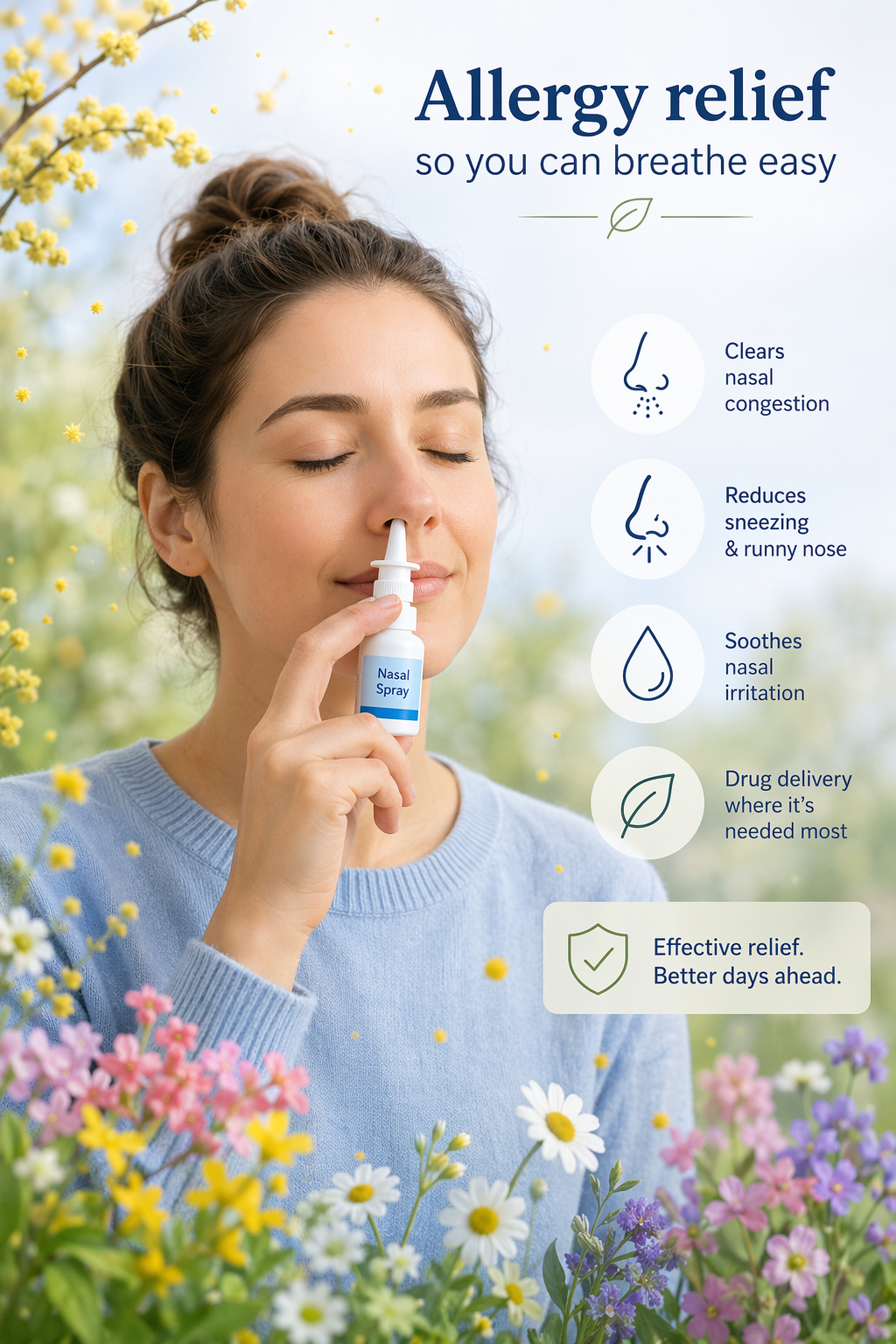
For many people, over-the-counter allergy medicines are the first step. Antihistamines are often best for sneezing, itching, and a runny nose because they block histamine. Nasal sprays and decongestants may help more when congestion is the main complaint.
Common options include:
- Antihistamines such as cetirizine or loratadine
- Decongestants such as pseudoephedrine or phenylephrine
- Nasal sprays, including anti-inflammatory sprays used regularly in season
- Eye drops for itchy eyes or watery eyes
Still, antihistamines do not help with every symptom equally. They can improve many pollen allergy symptoms, but severe nasal congestion may respond better to nasal sprays. Decongestants should only be used short term, usually no more than three to five days, because overuse can worsen congestion. If counter medications are not enough, prescription treatment may be the next step.
Prescription Medications and Their Uses
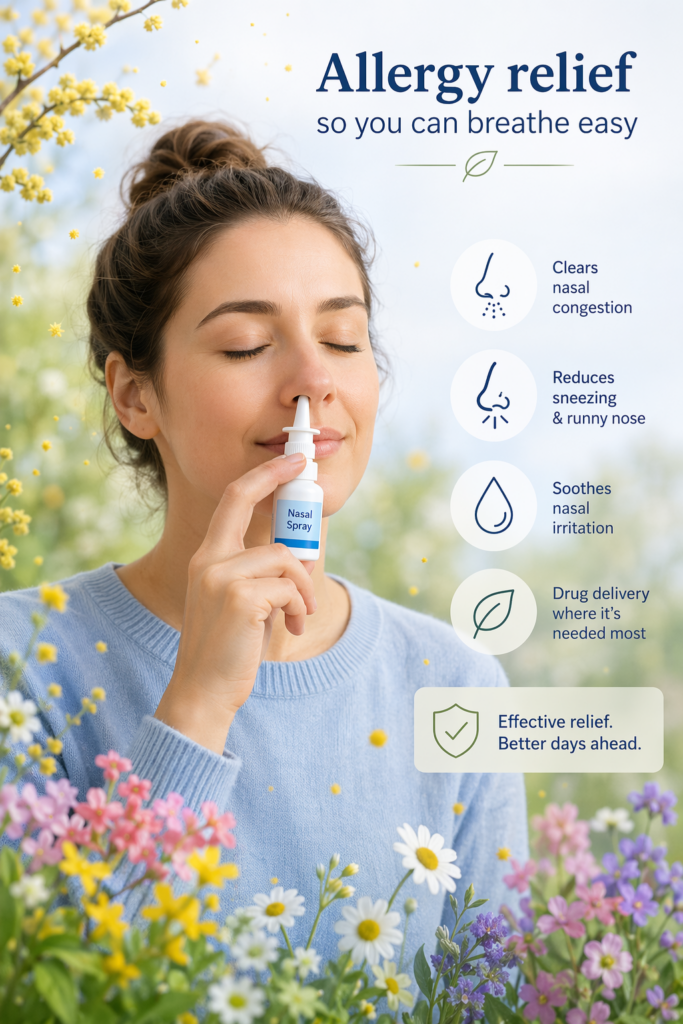
When symptoms are stronger or keep coming back, prescription medications may offer better control. Common choices include corticosteroid nasal sprays, which reduce inflammation in the nasal passages, and leukotriene inhibitors such as montelukast, which help block inflammation linked to an allergic reaction.
For severe allergies, a healthcare provider may also recommend longer-term treatment. Allergy shots work by gradually exposing your body to small amounts of allergen over time. This can lower sensitivity and reduce future symptoms. Another option is sublingual immunotherapy, which uses tablets that dissolve under the tongue for grass and ragweed pollen allergies.
Like all medicines, these treatments can have side effects, and some decongestants may be a concern for people with blood pressure issues. Daily use should follow medical advice, especially with stronger prescription medications.
In conclusion, understanding pollen allergy symptoms and available relief options is essential for managing your health during allergy season. By recognizing how your immune system reacts to pollen and differentiating between pollen allergies and other conditions, you can seek appropriate treatment. Whether it’s through over-the-counter antihistamines or prescription medications, there are effective ways to alleviate your symptoms. Don’t let pollen allergies hold you back from enjoying the outdoors. If you’re experiencing persistent symptoms, consider consulting with an allergy specialist for tailored advice. Remember, taking control of your allergy management can lead to a happier, healthier life.
Frequently Asked Questions
Can natural remedies provide effective relief for pollen allergies?
Some home remedies may offer mild allergy relief, such as saline rinses that help clear pollen from nasal passages. Certain foods and supplements are also discussed for pollen allergies, but results vary. Local honey is considered a myth and does not prevent or treat hay fever symptoms.
Are there any side effects of common pollen allergy drugs?
Yes, a side effect is possible with some allergy medications. Decongestants can be a concern for people with blood pressure issues and should not be used for long periods. For daily use of allergy medicines, it is best to follow a healthcare provider’s advice and report unwanted effects.
How can I tell the difference between pollen allergy and a drug allergy?
A pollen allergy usually follows seasonal exposure and causes recurring symptoms of allergies such as sneezing and itchy eyes. A drug allergy starts after taking a medication and involves the release of chemicals in response to that drug. Your medical history helps a healthcare provider tell them apart.
https://order.store.mayoclinic.com/flex/mmv/ESDIAB1
https://www.instagram.com/medicalnewstoday