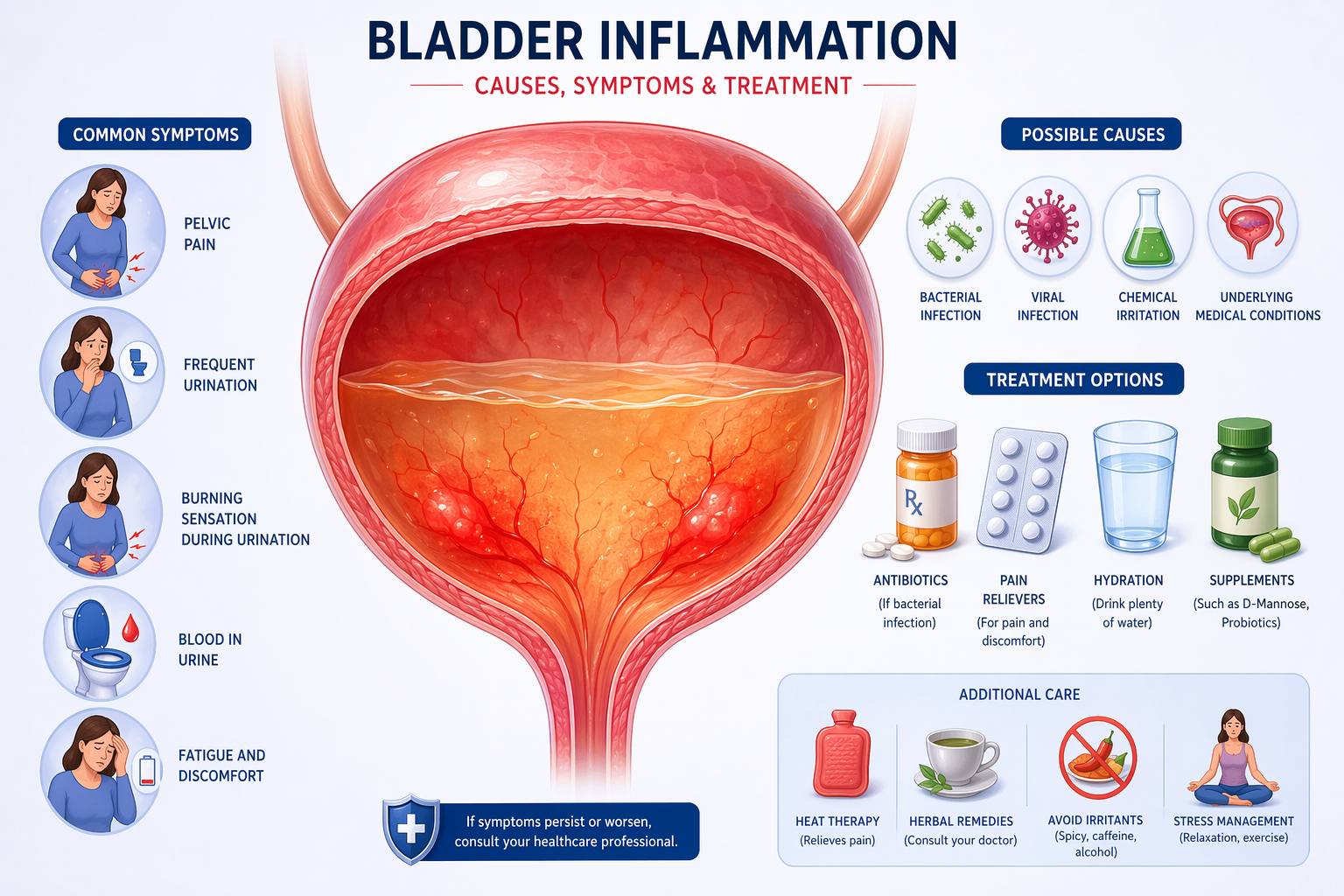


Understanding Bladder Infection Symptoms and Drugs Available

Key Highlights
- A bladder infection is a common urinary tract problem caused by a bacterial infection, often in the bladder.
- Common UTI symptoms include burning with pee, urgency, frequency, and lower abdomen discomfort.
- Doctors usually confirm diagnosis with a urine sample and may suggest more medical care if symptoms are severe.
- Antibiotics are the main treatment, but side effects like nausea or diarrhea can happen.
- Some options from the pharmacy, such as phenazopyridine, may ease pain but do not cure the infection.
- Home remedies like rest and plenty of fluids may help you feel better while treatment works.
A bladder infection is one of the most common urinary tract infections, and it can make everyday life miserable fast. This bacterial infection usually starts when bacteria enter the urinary tract and reach the bladder. You may notice burning, pressure, or a frequent need to urinate. The good news is that treatment is often straightforward when you get help early. To understand what is happening in your body, it helps to start with the basics.
What Is a Bladder Infection?
A bladder infection is a type of infection in the urinary tract that affects the bladder. Another common name for it is cystitis. It usually happens when harmful bacteria enter through the urethra and move upward.
Once the bladder becomes irritated, you may feel pain, pressure, or a strong need to pee often. This is usually a lower urinary tract problem, not a kidney issue. Understanding where it sits in the urinary tract makes the symptoms and treatment easier to follow.
How Bladder Infections Differ from Other UTIs
Not all urinary tract infections are the same. The main types of UTIs affect different areas, including the urethra, bladder, and kidneys. A bladder infection stays in the bladder, while urethritis affects the urethra and pyelonephritis means a kidney infection.
The symptoms of a UTI can overlap, but the pattern matters. A bladder infection often causes frequent urination, burning, pressure, cloudy urine, and lower abdomen cramping. A urethra infection may bring burning, trouble starting urination, itching, or discharge. Blood in urine can appear in either one.
A kidney infection is more serious and often adds fever, chills, nausea, vomiting, and back or side pain. So, if you are asking how bladder infection symptoms differ from other UTIs, the short answer is location and severity. Lower tract symptoms point to the bladder or urethra. Whole-body illness can signal the kidneys.
Causes of Bladder Infections
In most cases, a bladder infection starts when harmful bacteria enter the urinary tract through the urethra. The most common source is bacteria from the intestines. E. coli is often the type of bacteria behind this bacterial infection.
Once bacteria get inside, they can travel upward and irritate the bladder lining. That is why the bladder may feel swollen, sore, or sensitive. Some bladder infections happen after sex, while others relate to hygiene habits or trouble fully emptying the bladder.
There are also situations that make bacteria more likely to grow or spread. Holding your pee too long, not emptying the bladder completely, or irritation from certain products may play a role. The core issue, though, is simple: bacteria reach a place in the urinary tract where they should not be.
Risk Factors for Bladder Infections in the United States
Some people are more likely to get a bladder infection than others. In the United States, women are affected more often because the urethra is shorter and closer to areas where bacteria live. Certain health and lifestyle factors can also raise the chance of recurrent UTIs.
Common risk factors include:
- Menopause, which can change the urinary and vaginal environment
- Diabetes, which may make infections harder to control
- A weakened immune system
- Use of spermicide
- Sexual activity involving a condom with spermicide
- Kidney stones or catheter use
Risk factors do not guarantee infection, but they can make one more likely. If you keep getting recurrent urinary tract infections, it may be time to speak with an MD, OB-GYN, or urologist. Next, let’s look at the symptoms of a bladder infection and how to spot them early.
Recognizing Bladder Infection Symptoms
The symptoms of a bladder infection can start suddenly and quickly become hard to ignore. Many UTI symptoms center on urination, but the discomfort can also spread to the lower abdomen or lower back.

You might feel pressure, cramping, burning, or a strong urge to go even when very little urine comes out. Some people notice cloudy or strong-smelling urine. Because symptoms can overlap with other urinary tract problems, it helps to know which signs are most common and which ones need faster medical attention.
Most Common Symptoms to Watch For
A bladder infection often causes a clear group of symptoms that affect how you pee and how your lower belly feels. For many people, the first clue is a sudden need to use the bathroom more often than usual.
Watch for signs such as:
- Burning or pain when you pee
- Frequent urge to pee, even when little comes out
- Pressure or fullness in the bladder area
- Cramping or discomfort in the lower abdomen
- Cloudy, strong-smelling, or bloody urine
- Low-grade fever or pain during sex
These are the most common symptoms of a bladder infection, but severe pain is not typical for a simple case. If symptoms become intense or you start feeling feverish, chilled, or sick to your stomach, the infection may be moving beyond the bladder. That is when you should seek medical care right away.
Differences in Symptoms Between Males and Females
Yes, bladder infection symptoms can look a little different in males and females, even though many core symptoms are shared. Both may have burning, urgency, frequent urination, and bladder discomfort. Still, anatomy changes how these infections happen and how they feel.
In females, infection is more common because the urethra is shorter and closer to the vagina and anus. That can make it easier for bacteria to enter. Women’s health concerns such as menopause can also affect risk. Some females may also notice pain during sex or irritation near the vaginal area.
In males, UTIs are less common but can be more serious. Symptoms may overlap with prostate issues, and some men may notice blood in urine or semen. So while the bladder infection itself is similar, male and female symptoms can differ in context, frequency, and related conditions.
Bladder Infection Symptoms vs. Other Urinary Tract Infections
A bladder infection is one type of urinary tract infection, but the symptoms depend on which part of the urinary tract is affected. With a bladder infection, symptoms usually stay centered around urination and pressure in the lower belly.
The symptoms of a UTI in the urethra can include burning, trouble starting urination, itching, and discharge. A bladder infection more often causes frequent urination, bladder pressure, cloudy urine, and cramping. These are bothersome, but they are usually lower tract symptoms.
The symptoms of a kidney infection are different and more serious. Fever, chills, nausea, vomiting, and back or side pain suggest the infection may have moved upward. That difference matters because each type of urinary tract infection needs the right level of medical care. If you are unsure which type of UTI you have, a doctor can sort it out.
Diagnosis of Bladder Infections
Doctors usually make the diagnosis of a bladder infection by asking about symptoms and checking a urine sample. This helps them look for signs of infection and decide whether antibiotic treatment is needed.
In some situations, more medical care is required, especially if symptoms keep coming back, are getting worse, or suggest a complicated UTI. The goal is not just to confirm infection, but also to make sure it has not spread or been confused with another urinary problem.
Medical Tests Doctors Use
The first test doctors use is usually a urine sample. This checks the urine for signs that bacteria may be present. It is often enough to support a bladder infection diagnosis, especially when symptoms are typical.
If the situation is more complex, your doctor may order more testing. People with recurrent infections, severe symptoms, or concerns about blockage may need imaging such as an ultrasound. Testing helps guide antibiotic treatment and can show whether a different urinary issue may be involved.
| Test | What it helps doctors learn |
|---|---|
| Urine sample | Looks for signs of infection in the urine and supports diagnosis |
| Symptom review | Matches your symptoms with a likely bladder infection or other UTI |
| Ultrasound | Checks for problems such as kidney stones or other structural concerns |
These steps help doctors decide how simple or serious the infection may be.
What to Expect During a Doctor’s Visit
A doctor’s visit for a bladder infection is usually straightforward. Your MD or clinician will ask about your symptoms, when they started, and whether you have had urinary tract infections before. They may also ask if symptoms are worsening or not improving as expected.

Next comes testing, which often means giving a urine sample. This sample helps the provider look for infection. If you have recurrent UTIs, diabetes, catheter use, or a weakened immune system, they may pay closer attention because those factors can point to a complicated infection.
After that, you may get a treatment plan. This can include antibiotic treatment, advice to rest, and tips to drink plenty of fluids. If your symptoms suggest a kidney problem or another cause, your provider may recommend more medical care or a referral.
When to Seek Medical Attention
Some bladder infections are mild, but you should not ignore symptoms that seem unusual or intense. Quick medical attention can help prevent complications, especially if the infection may be moving upward in the urinary tract.
Seek help if you have:
- Symptoms that are worsening instead of improving
- Severe pain, fever, chills, nausea, or vomiting
- Recurrent infections that keep returning
- New symptoms that do not fit a simple bladder infection
- Concerns about kidney stones or other urinary problems
You should also contact a clinician if treatment is taking a longer time than expected to work. People with diabetes, a weakened immune system, or other health problems may need closer follow-up. Serious urinary infections can affect the kidneys, and untreated problems may become far more difficult to manage.
Drugs and Treatments for Bladder Infections
Antibiotic treatment is the main way doctors treat bladder infections and other urinary tract infections caused by bacteria. The exact drugs depend on whether the infection is uncomplicated or more serious.
You may also find symptom relief products at the pharmacy, but they do not replace antibiotics when a true infection is present. Since medicines can cause side effects, it helps to know what is commonly prescribed, what can ease discomfort, and when you should call your doctor if something feels off.
Prescription Antibiotics Frequently Used
For an uncomplicated bladder infection, doctors often prescribe a short course of antibiotics. These drugs target the bacteria causing the infection. Your prescription is usually sent to the pharmacy, and it is important to finish the full course even if you feel better early.
Common prescription drugs include:
- Nitrofurantoin, often taken for 5 to 7 days
- Sulfamethoxazole/trimethoprim, often taken for about 3 days
- Fosfomycin, often used for 2 to 4 days
- First-generation cephalosporins, sometimes used for about 3 days
For a complicated UTI or severe symptoms, broader drugs may be used first. These can include penicillins, beta-lactams, cephalosporins, fluoroquinolones, or carbapenems. Once doctors know the type of bacteria involved, they may switch you to a more targeted antibiotic treatment.
Over-the-Counter Medicines and Alternatives
There are over-the-counter options that may help you feel better, but they do not cure a bladder infection. One example is phenazopyridine, a pain-relief medicine that can reduce urinary discomfort while other treatment works. It helps symptoms, not the infection itself.
You may also hear about simple home remedies and supportive care, such as:
- Phenazopyridine for symptom relief
- Cranberry juice as a common home remedy
- Plenty of fluids or plenty of water
- Rest while symptoms settle
- Acetaminophen for pain or fever
- Avoiding sexual activity until you feel better
Some people also ask about sodium bicarbonate, but the compiled guidance here focuses more on hydration, rest, and comfort measures. If you try home remedies, keep your expectations realistic. If symptoms do not improve, or if they worsen, you still need proper medical care and possibly antibiotics.
Potential Side Effects of Bladder Infection Drugs
Most people do well with antibiotics, but side effects can happen. The most common problems are stomach-related or mild skin reactions. Knowing what to watch for can help you decide when to stay the course and when to call for advice.
Common side effects include:
- Nausea
- Diarrhea
- Vomiting
- Abdominal pain
- Rash or yeast infection
Less often, antibiotics can lead to more serious problems, such as allergic reaction, C. diff infection, pneumonia, acute renal failure, or antibiotic-resistant infections. Phenazopyridine can also cause headache, dizziness, nausea, vomiting, diarrhea, or rash. The CDC notes that when antibiotics are truly needed, the benefits usually outweigh the risks. Still, if side effects feel severe or unusual, contact your doctor promptly.
Conclusion
In summary, understanding the symptoms and treatment options for bladder infections is crucial for effective management and recovery. Recognizing the signs early can lead to timely medical intervention, which is essential in preventing complications. Whether it’s through prescription antibiotics or over-the-counter remedies, knowing what to expect from your treatment can ease your discomfort and promote healing. If you find yourself experiencing symptoms of a bladder infection, don’t hesitate to seek medical attention. Remember, taking care of your health should always be a priority. For more personalized guidance, feel free to reach out and get a free consultation today!
Frequently Asked Questions
How long does it take for bladder infection drugs to work?
Bladder infection drugs often start easing symptoms within a short time, but the exact response varies. Your antibiotic treatment depends on the type of urinary tract infection and the drugs picked up from the pharmacy. Even if you feel better quickly, finish the full course exactly as prescribed.
Can untreated bladder infections lead to serious health issues?
Yes. An untreated bladder infection can move higher in the urinary tract and affect the kidneys. That can cause more serious health problems and complications, including symptoms that are much harder to manage. If you develop fever, chills, vomiting, or back pain, seek care right away.
Are there any effective home remedies for relieving bladder infection symptoms?
Some home remedies may help ease bladder infection symptoms, but they do not cure the infection itself. Cranberry juice, rest, and drinking plenty of water may help you feel more comfortable. If symptoms do not improve or get worse, you should contact a healthcare professional.
https://medlineplus.gov/antibiotics.html
https://medlineplus.gov/birthcontrol.html
https://www.qxmd.com/r/21123286
https://www.cdc.gov/antimicrobial-resistance