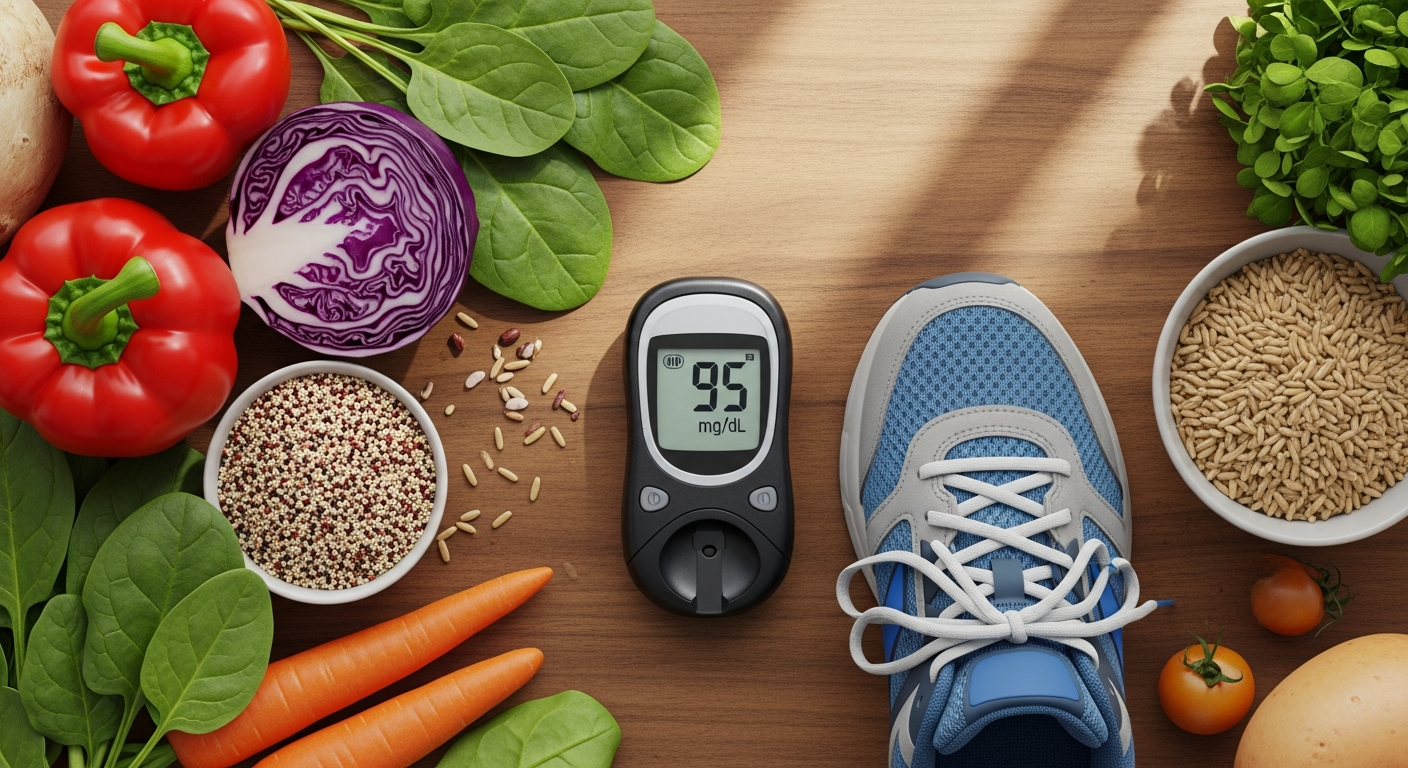

Effective Drugs and Habits to Keep Sugar Under Control
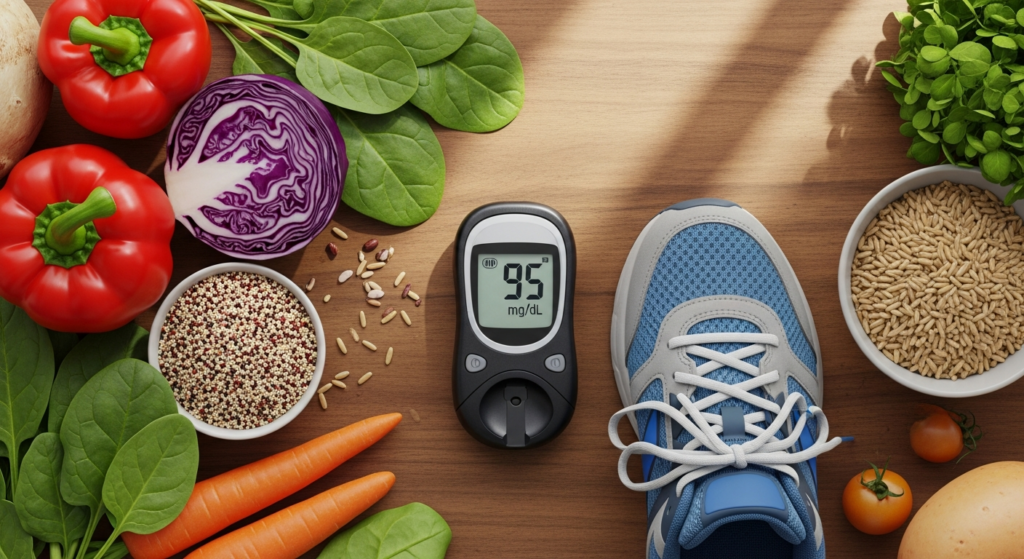
Key Highlights
Here are the key takeaways for effective blood sugar control:
- Regular exercise and daily movement help lower blood sugar and improve insulin sensitivity.
- A balanced diet focusing on fiber, protein, and healthy fats is crucial for managing blood glucose.
- Medications like Metformin work in different ways to help maintain healthy blood sugar levels.
- Managing stress and getting quality sleep are essential habits to keep your sugar levels stable.
- Breaking sugar addiction by reducing sugary foods helps improve overall blood sugar control.
Introduction
Welcome to your guide on managing your blood sugar! Keeping your sugar levels in check is a vital part of your overall health. Whether you’re looking to make small lifestyle changes or better understand your medication options, you’ve come to the right place. This article will explore effective drugs and, more importantly, simple, sustainable habits you can adopt. Let’s start this journey toward achieving healthy blood sugar levels and feeling your best.
Key Principles for Managing Blood Sugar Effectively
To successfully manage your blood sugar, it’s important to grasp the core principles. Effective blood sugar management is a combination of understanding how your body works and setting achievable targets. It’s not about perfection but about consistent, positive choices.
By learning the basics of blood glucose regulation and working with your healthcare provider, you can create a personalized plan. Let’s explore how your body handles sugar and how you can set realistic goals for better health.
Understanding Blood Sugar Regulation in the Body
Your body is naturally designed to manage blood sugar levels. When you eat carbohydrates, your system breaks them down into glucose, which enters your bloodstream. In response, your pancreas releases insulin, a hormone that helps your cells use this glucose for energy. This process is key to blood sugar regulation.
However, various factors can disrupt this balance. If your body doesn’t produce enough insulin or your cells become less responsive to it—a condition known as low insulin sensitivity—your blood glucose levels can rise. This impaired function can lead to conditions like diabetes mellitus.
Improving insulin sensitivity is a cornerstone of natural blood sugar management. When your cells are more sensitive to insulin, they can more effectively use the glucose from your blood, helping to keep your blood sugar in a healthy range. Regular exercise and a balanced diet are powerful tools to enhance this process.
Setting Realistic Blood Sugar Control Goals
Embarking on a journey of blood sugar control begins with setting clear, realistic goals. Rather than aiming for drastic, overnight changes, focus on making steady progress. The objective is to keep your blood glucose levels within a healthy target range, which can vary from person to person.
Working with a healthcare professional is crucial in this step. They can help you determine the ideal target range for your specific needs, considering factors like your age, overall health, and lifestyle. This personalized approach makes your goals more attainable and sustainable.
Monitoring your blood sugar levels regularly provides valuable feedback. It helps you understand how different foods, activities, and habits affect your blood glucose. This information empowers you to make informed adjustments and celebrate small victories along the way, keeping you motivated on your path to better health.
Essential Lifestyle Habits to Maintain Healthy Blood Sugar
Incorporating specific lifestyle habits into your daily life is fundamental for maintaining healthy blood sugar levels. These routines don’t have to be complicated; small, consistent actions can make a huge difference in your blood sugar management and help you avoid sharp blood sugar spikes.
It’s also important to be aware of habits that might seem healthy but could actually be working against your goals. Below, we’ll look at beneficial daily routines and also identify common pitfalls that can make sugar control more challenging.
Daily Routines That Help Prevent Blood Sugar Spikes
Preventing drastic blood sugar spikes is key to achieving healthy blood sugar levels. Simple daily routines can help you maintain stability throughout the day. For instance, starting your day with a balanced breakfast that includes protein and fiber can set a steady tone for your blood sugar.
Another effective strategy is to incorporate short bursts of activity. You don’t need to commit to long workouts to see benefits. Even brief “exercise snacks,” like a few minutes of walking every half hour, can help your muscles use blood sugar and prevent it from accumulating in your bloodstream.
Consider adopting these simple daily routines:
- Drink plenty of water to help your kidneys flush out excess sugar.
- Practice portion control at every meal to avoid overwhelming your system.
- Eat smaller, more frequent meals to keep your blood sugar stable.
- Always read food labels to be aware of serving sizes and hidden sugars.
Common Habits That Can Make Sugar Control More Challenging
Sometimes, habits that seem harmless or even healthy can unintentionally make blood sugar control more difficult. For example, relying on fruit juices for vitamins can lead to a rapid spike in blood sugar because they lack the fiber found in whole fruits. Understanding these nuances is important for effective management.
Another common issue is inconsistent meal timing. Skipping meals can cause your blood sugar to drop, leading to overeating later and a subsequent spike. This yo-yo effect can contribute to insulin resistance and weight gain over time, complicating your efforts to manage high blood sugar.
Be mindful of these habits that can hinder your progress:
- Choosing low-fat products that are high in added sugars.
- Relying on artificially sweetened beverages, which can still drive cravings.
- Avoiding all carbs, instead of choosing healthier, whole-grain options.
- Focusing only on diet and neglecting other factors like stress and sleep.
The Role of Diet in Keeping Blood Sugar Stable
Your diet plays a starring role in your ability to maintain stable blood sugar. The foods you choose directly impact your blood glucose levels, making mindful eating one of the most powerful tools at your disposal. The goal is to select foods that help you achieve steady glucose levels and stay within your target range.
By prioritizing certain foods and limiting others, you can prevent sharp spikes and crashes. Let’s look at the best foods to include in your meals and which ones you should consider reducing or avoiding for better blood sugar health.
Foods to Prioritize for Steady Glucose Levels
To promote steady glucose levels, focus on building meals around nutrient-dense foods. Foods rich in soluble fiber are particularly beneficial because they slow down carb digestion and sugar absorption, leading to a more gradual rise in blood sugar.
Protein and healthy fats also play a crucial role. Including a source of protein or healthy fats with your meals can help minimize blood sugar spikes and increase feelings of fullness, which can prevent overeating. Think of foods like fatty fish, nuts, and avocados.
Here are some excellent food choices to prioritize:
- Leafy greens and non-starchy vegetables: Broccoli, kale, and spinach are low in carbs and high in nutrients.
- Whole grains: Oats, barley, and whole wheat pasta have a lower glycemic index.
- Legumes: Beans and lentils are packed with protein and soluble fiber.
- Lean protein: Chicken, fish, and Greek yogurt help stabilize blood sugar.
Foods and Ingredients to Limit or Avoid
Just as important as knowing what to eat is knowing what to limit. Certain foods can cause rapid blood sugar spikes, making management more difficult. These are typically foods high in added sugars and refined carbohydrates, which are quickly absorbed into the bloodstream.
Sugary drinks are one of the biggest culprits. Sodas, sweetened teas, and fruit juices provide a large dose of sugar without any fiber to slow it down. Similarly, processed foods made with white flour, like white bread and pastries, can have a similar effect.
Pay close attention to ingredients like high-fructose corn syrup and other forms of excess sugar on food labels. Here is a simple guide to foods that can cause blood sugar spikes:
| Category | Foods to Limit or Avoid |
|---|---|
| Sugary Beverages | Soda, sweetened iced tea, fruit punch, energy drinks |
| Refined Grains | White bread, white rice, pastries, sugary cereals |
| Processed Snacks | Potato chips, crackers, cookies, candy bars |
| Hidden Sugars | Flavored yogurts, ketchup, barbecue sauce, salad dressings |
Exercise and Movement: Critical Tools for Sugar Management
Physical activity is a non-negotiable part of effective blood sugar management. When you exercise, your muscles use glucose for energy, which helps lower blood sugar levels in your bloodstream. Regular exercise also increases your body’s sensitivity to insulin, making it work more efficiently.
You don’t need to be a marathon runner to reap the benefits. Even moderate and consistent movement can have a significant impact on your blood glucose control. Let’s explore the best activities for lowering blood sugar and how to build a fitness routine that you can stick with.
Best Physical Activities for Lowering High Blood Sugar
When it comes to lowering high blood sugar, any physical activity that gets you moving is better than none. Your muscles use glucose for fuel during exercise, which directly helps reduce the amount of sugar circulating in your blood.
Regular exercise is a powerful strategy for improving glycemic control. Activities like brisk walking, cycling, and swimming are excellent choices. Resistance training, such as weightlifting or bodyweight exercises, is also highly effective as it helps build muscle mass, which in turn improves your body’s ability to manage blood sugar.
Here are some of the best activities to consider:
- Light walking: Especially after meals, a short walk can help blunt post-meal blood sugar spikes.
- Brisk walking or running: These aerobic exercises improve heart health and insulin sensitivity.
- Dancing or hiking: Fun activities that make regular exercise feel less like a chore.
- Squats or leg raises: Simple resistance exercises you can do at home to build muscle.
Building a Sustainable Fitness Habit for Blood Sugar Health
The key to unlocking the long-term benefits of exercise for blood sugar health is sustainability. It’s more effective to build a habit of regular physical activity that you can maintain rather than engaging in intense but sporadic workouts. Start with small changes that feel manageable.
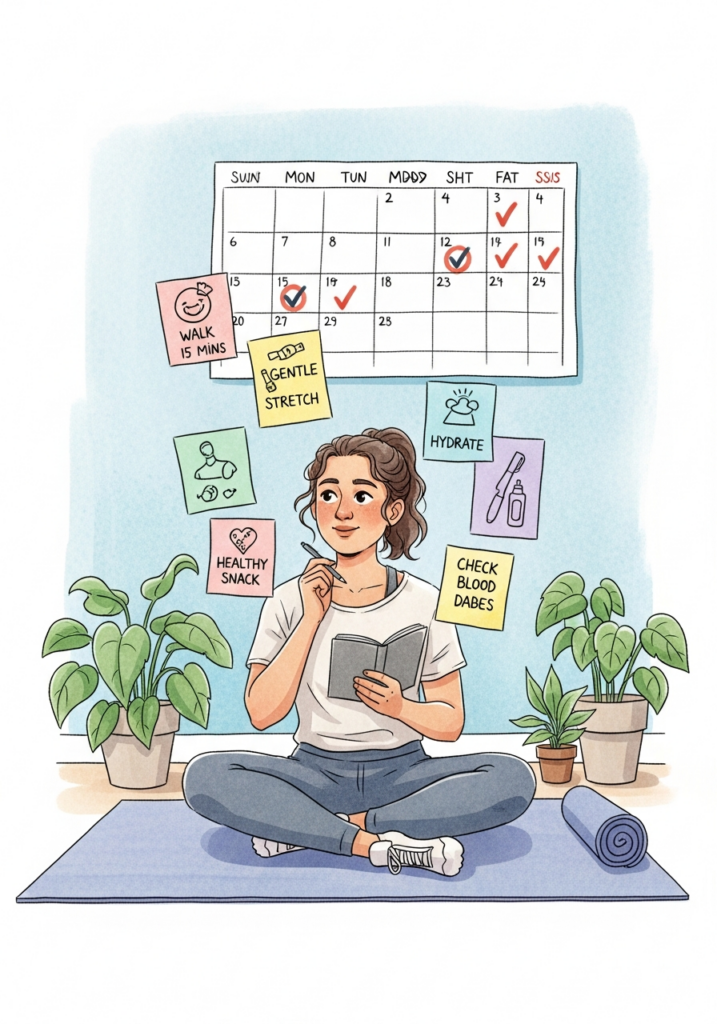
Begin by assessing your current activity level and finding opportunities to move more throughout your day. This could mean taking the stairs instead of the elevator, parking farther from the store entrance, or going for a short walk during your lunch break. These small changes add up.
The goal is consistency. Aim for about 150 minutes of moderate-intensity exercise per week, but don’t be discouraged if you can’t meet that right away. Tracking your blood sugar levels before and after exercise can show you the immediate positive impact on your blood glucose, which can be a powerful motivator to keep going.
Medications Commonly Used to Control High Blood Sugar
While lifestyle habits are the foundation of managing high blood sugar, medications are often a necessary and effective tool. These drugs can help lower blood sugar by addressing issues like insulin resistance or insufficient insulin production, helping to keep your blood glucose in a safe range.
It’s important to understand that these medications work in different ways and are not a substitute for healthy habits. Let’s look at how various drugs function and the warning signs that indicate your current plan may need adjustment.
How Different Medications Work to Manage Blood Sugar
Medications for blood sugar control are designed to work in several distinct ways to help manage blood glucose levels. Some drugs help your body become more sensitive to the insulin it already produces, while others increase the amount of insulin your pancreas releases.
Another class of medications works by slowing down the digestion of carbohydrates, which prevents a rapid surge in blood sugar after meals. Others help your kidneys remove excess sugar from your body through urine. Your doctor will choose the best option for you based on your specific needs and health profile.
Understanding how these medications function can empower you to be an active participant in your care.
| Medication Type | How It Works |
|---|---|
| Biguanides (e.g., Metformin) | Decreases glucose production by the liver and improves insulin sensitivity. |
| Sulfonylureas | Stimulates the pancreas to release more insulin. |
| SGLT2 Inhibitors | Helps the kidneys excrete excess glucose through urine. |
| GLP-1 Receptor Agonists | Increases insulin release, slows digestion, and reduces appetite. |
Warning Signs When Medication and Habits Aren’t Enough
Even with medication and healthy habits, you might sometimes find that your high blood sugar levels are not well-controlled. Recognizing the warning signs that your current plan isn’t working is crucial for preventing long-term diabetes complications and ensuring you continue to receive health benefits.
Pay close attention to how you feel. Symptoms that you thought were under control might start to reappear. This is your body’s way of telling you that something needs to be adjusted in your management plan.
Don’t ignore these persistent warning signs:
- Polydipsia: Feeling excessively thirsty all the time.
- Polyuria: Needing to urinate much more frequently than usual.
- Polyphagia: Experiencing extreme hunger, even after eating.
- Unexplained fatigue or blurry vision: These can indicate that your blood sugar is consistently too high.
Tackling Sugar Cravings and Addiction for Better Control
Dealing with sugar cravings can feel like a constant battle, but it’s one you can win. Overcoming a dependence on sugar is a critical step toward better blood sugar control, as it helps you make healthier food choices and stabilize your blood glucose.
Breaking the cycle of sugar addiction doesn’t happen overnight, but with the right strategies, you can reduce your cravings and find satisfying, healthier alternatives. Let’s explore how you can regain control and make choices that support your health goals.
Strategies for Breaking the Cycle of Sugar Dependence
Breaking the cycle of sugar dependence involves retraining your taste buds and your brain. The first step is to gradually reduce your intake of sugary foods. Going cold turkey can be overwhelming, but slowly cutting back gives your body time to adjust.
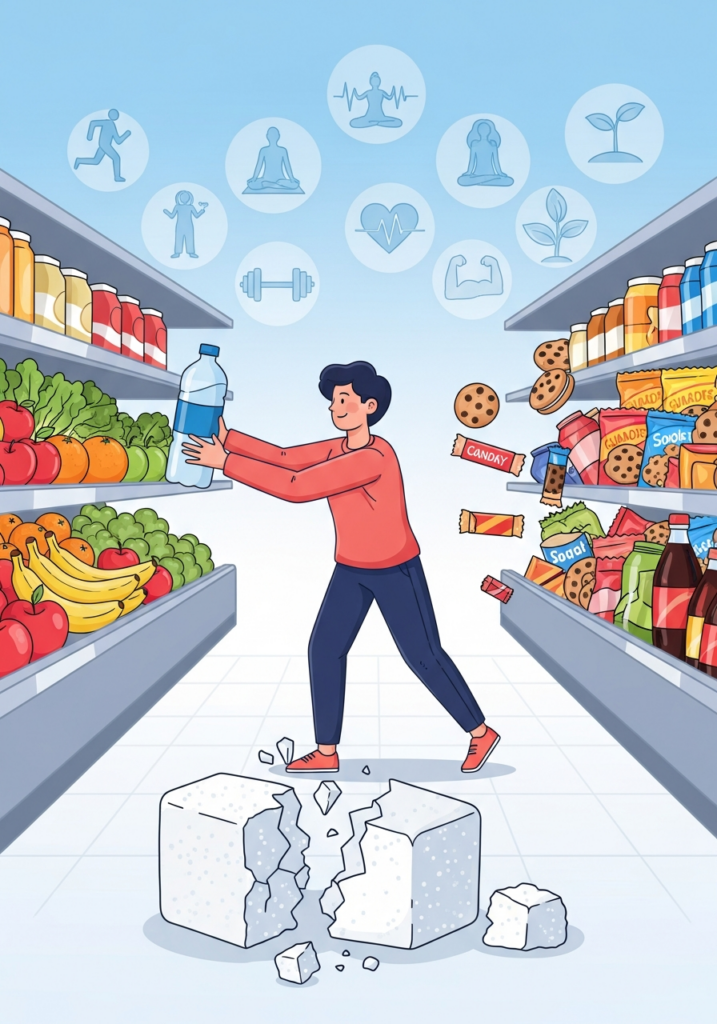
When a craving hits, try to understand its trigger. Are you stressed, bored, or tired? Finding non-food ways to cope with these feelings can help you avoid reaching for sugar. A short walk, a quick chat with a friend, or a few deep breaths can often do the trick.
Here are some strategies to help you succeed:
- Remove temptations by clearing your pantry of highly processed, sugary foods.
- Stay hydrated, as thirst is often mistaken for hunger or cravings.
- Eat regular, balanced meals with protein and fiber to prevent blood sugar crashes.
- Focus on the long-term health benefits to stay motivated.
Healthier Alternatives and Snack Ideas
Having a go-to list of healthy snacks can make all the difference when a craving strikes. Instead of reaching for something high in sugar, choose a snack that provides nutrients and helps stabilize your blood sugar. Combining protein, fiber, and healthy fats is the perfect formula for a satisfying snack.
Think about snacks that are both tasty and beneficial. A handful of nuts, a small bowl of Greek yogurt with berries, or apple slices with peanut butter can curb your craving while providing lasting energy. These options prevent the sharp blood sugar spike and subsequent crash that comes with sugary treats.
Keep these healthy options on hand:
- A handful of almonds or pumpkin seeds for protein and healthy fats.
- Plain Greek yogurt topped with a few berries.
- Baby carrots or celery sticks with hummus.
- A hard-boiled egg for a quick protein boost.
The Impact of Stress and Sleep on Blood Sugar
Your blood sugar isn’t just affected by what you eat and how much you move. Your stress levels and sleep quality also play a significant role. Chronic stress can cause your body to release hormones that raise blood glucose levels, while poor sleep can disrupt insulin sensitivity and increase sugar cravings.
Managing stress and prioritizing sleep are therefore crucial components of a holistic blood sugar management plan. Let’s look at some techniques to reduce stress and understand why quality sleep is so important for your overall health.
Stress-Reduction Techniques that Support Glucose Balance
When you’re under stress, your body releases hormones like cortisol and glucagon. These hormones can cause your liver to release more glucose into your bloodstream, leading to elevated blood sugar levels. This is why incorporating stress-reduction techniques into your daily life is so important for glucose balance.
Finding what helps you relax is a personal journey. For some, it might be gentle exercise like yoga or tai chi. For others, it could be mindfulness meditation, deep breathing exercises, or simply spending time in nature. The goal is to find activities that help you unwind and practice them regularly.
Consider trying these simple relaxation methods:
- Mindfulness: Focus on the present moment without judgment.
- Journaling: Write down your thoughts and feelings to process them.
- Hobbies: Engage in activities you enjoy, like gardening or painting.
- Deep breathing: Take slow, deep breaths to calm your nervous system.
Importance of Quality Sleep for Effective Sugar Control
Good sleep quality is a non-negotiable pillar of effective blood sugar control. When you don’t get enough restorative sleep, it can have a direct and negative impact on your body’s ability to manage glucose. Sleep deprivation can decrease insulin sensitivity, meaning your cells don’t respond as well to insulin.
This lack of sleep can also throw your hunger hormones out of whack, increasing appetite and cravings for high-carb, sugary foods. This creates a vicious cycle where poor sleep leads to poor food choices, which in turn can disrupt sleep further. The health benefits of getting enough rest extend far beyond just feeling refreshed.
Aim for 7 to 8 hours of high-quality sleep per night to support your overall health. Establishing a consistent sleep schedule, creating a relaxing bedtime routine, and ensuring your bedroom is cool, dark, and quiet can significantly improve your sleep quality and, consequently, your blood sugar management.
Frequently Asked Questions (FAQ)
Managing blood sugar can seem overwhelming, so it’s natural to have questions. Common inquiries include how specific foods, like leafy greens and Greek yogurt, can support healthy blood sugar levels, and the impact of sugar substitutes on glycemic control. Many wonder about the role of regular physical activity and quality sleep in blood sugar regulation. Staying informed about portion sizes and food labels can also help you lower blood sugar levels effectively. Consulting a healthcare professional can provide personalized guidance on your journey.
Is it possible to control blood sugar through habits alone without medication?
For some people, especially in the early stages or with prediabetes, dedicated lifestyle changes in habits can be enough for blood sugar control. A healthy diet, regular exercise, and weight management can significantly lower blood glucose. However, many individuals will still require medication alongside these lifestyle efforts for optimal management.
What are early warning signs that my blood sugar is not under control?
Early warning signs of high blood sugar include increased thirst, frequent urination, unexplained fatigue, and blurred vision. These symptoms indicate that your blood glucose levels may be consistently too high, increasing your diabetes risk. If you experience these signs, it’s important to consult your healthcare provider for an evaluation.
Are there any common lifestyle changes people overlook in managing their blood sugar?
Yes, people often overlook the impact of stress and poor sleep on blood sugar. While diet and exercise are crucial, chronic stress and sleep deprivation can significantly raise blood glucose levels. Managing these overlooked lifestyle changes is essential for achieving healthy blood sugar levels and effective blood sugar control.
Conclusion
In conclusion, effectively managing your blood sugar involves a holistic approach that encompasses lifestyle habits, dietary choices, and, when necessary, medication. By understanding how to regulate blood sugar levels and incorporating healthy routines, you can prevent spikes and ensure long-term health. Remember, every small change you make contributes to better glucose control, from choosing the right foods to engaging in physical activities. If you’re serious about taking charge of your health, consider reaching out for a free consultation to explore personalized strategies tailored to your needs. Your journey to better blood sugar management starts today!
Effective Drugs and Habits to Keep Sugar Under Control
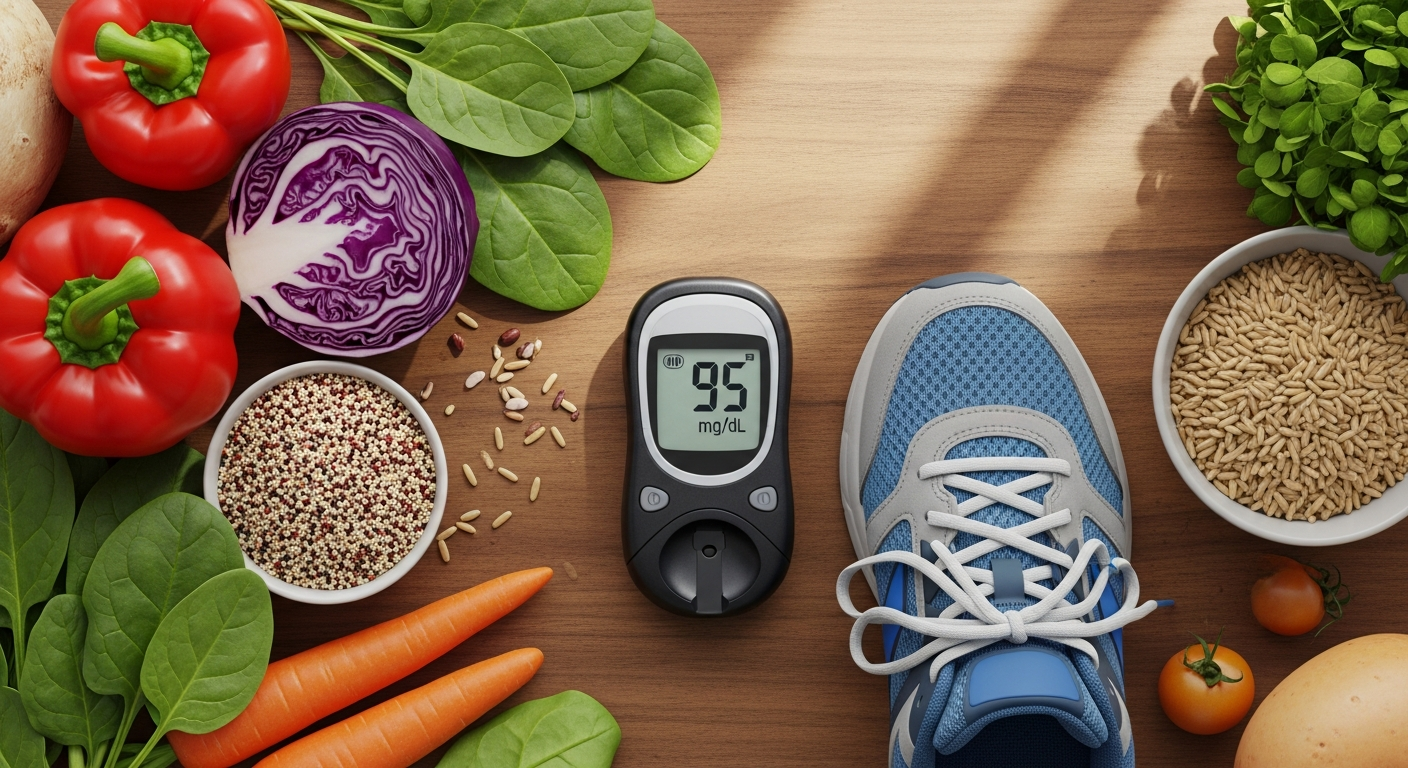
Key Highlights
Here are the key takeaways for effective blood sugar control:
- Regular exercise and daily movement help lower blood sugar and improve insulin sensitivity.
- A balanced diet focusing on fiber, protein, and healthy fats is crucial for managing blood glucose.
- Medications like Metformin work in different ways to help maintain healthy blood sugar levels.
- Managing stress and getting quality sleep are essential habits to keep your sugar levels stable.
- Breaking sugar addiction by reducing sugary foods helps improve overall blood sugar control.
Introduction
Welcome to your guide on managing your blood sugar! Keeping your sugar levels in check is a vital part of your overall health. Whether you’re looking to make small lifestyle changes or better understand your medication options, you’ve come to the right place. This article will explore effective drugs and, more importantly, simple, sustainable habits you can adopt. Let’s start this journey toward achieving healthy blood sugar levels and feeling your best.
Key Principles for Managing Blood Sugar Effectively
To successfully manage your blood sugar, it’s important to grasp the core principles. Effective blood sugar management is a combination of understanding how your body works and setting achievable targets. It’s not about perfection but about consistent, positive choices.
By learning the basics of blood glucose regulation and working with your healthcare provider, you can create a personalized plan. Let’s explore how your body handles sugar and how you can set realistic goals for better health.
Understanding Blood Sugar Regulation in the Body
Your body is naturally designed to manage blood sugar levels. When you eat carbohydrates, your system breaks them down into glucose, which enters your bloodstream. In response, your pancreas releases insulin, a hormone that helps your cells use this glucose for energy. This process is key to blood sugar regulation.
However, various factors can disrupt this balance. If your body doesn’t produce enough insulin or your cells become less responsive to it—a condition known as low insulin sensitivity—your blood glucose levels can rise. This impaired function can lead to conditions like diabetes mellitus.
Improving insulin sensitivity is a cornerstone of natural blood sugar management. When your cells are more sensitive to insulin, they can more effectively use the glucose from your blood, helping to keep your blood sugar in a healthy range. Regular exercise and a balanced diet are powerful tools to enhance this process.
Setting Realistic Blood Sugar Control Goals
Embarking on a journey of blood sugar control begins with setting clear, realistic goals. Rather than aiming for drastic, overnight changes, focus on making steady progress. The objective is to keep your blood glucose levels within a healthy target range, which can vary from person to person.
Working with a healthcare professional is crucial in this step. They can help you determine the ideal target range for your specific needs, considering factors like your age, overall health, and lifestyle. This personalized approach makes your goals more attainable and sustainable.
Monitoring your blood sugar levels regularly provides valuable feedback. It helps you understand how different foods, activities, and habits affect your blood glucose. This information empowers you to make informed adjustments and celebrate small victories along the way, keeping you motivated on your path to better health.
Essential Lifestyle Habits to Maintain Healthy Blood Sugar
Incorporating specific lifestyle habits into your daily life is fundamental for maintaining healthy blood sugar levels. These routines don’t have to be complicated; small, consistent actions can make a huge difference in your blood sugar management and help you avoid sharp blood sugar spikes.
It’s also important to be aware of habits that might seem healthy but could actually be working against your goals. Below, we’ll look at beneficial daily routines and also identify common pitfalls that can make sugar control more challenging.
Daily Routines That Help Prevent Blood Sugar Spikes
Preventing drastic blood sugar spikes is key to achieving healthy blood sugar levels. Simple daily routines can help you maintain stability throughout the day. For instance, starting your day with a balanced breakfast that includes protein and fiber can set a steady tone for your blood sugar.
Another effective strategy is to incorporate short bursts of activity. You don’t need to commit to long workouts to see benefits. Even brief “exercise snacks,” like a few minutes of walking every half hour, can help your muscles use blood sugar and prevent it from accumulating in your bloodstream.
Consider adopting these simple daily routines:
- Drink plenty of water to help your kidneys flush out excess sugar.
- Practice portion control at every meal to avoid overwhelming your system.
- Eat smaller, more frequent meals to keep your blood sugar stable.
- Always read food labels to be aware of serving sizes and hidden sugars.
Common Habits That Can Make Sugar Control More Challenging
Sometimes, habits that seem harmless or even healthy can unintentionally make blood sugar control more difficult. For example, relying on fruit juices for vitamins can lead to a rapid spike in blood sugar because they lack the fiber found in whole fruits. Understanding these nuances is important for effective management.
Another common issue is inconsistent meal timing. Skipping meals can cause your blood sugar to drop, leading to overeating later and a subsequent spike. This yo-yo effect can contribute to insulin resistance and weight gain over time, complicating your efforts to manage high blood sugar.
Be mindful of these habits that can hinder your progress:
- Choosing low-fat products that are high in added sugars.
- Relying on artificially sweetened beverages, which can still drive cravings.
- Avoiding all carbs, instead of choosing healthier, whole-grain options.
- Focusing only on diet and neglecting other factors like stress and sleep.
The Role of Diet in Keeping Blood Sugar Stable
Your diet plays a starring role in your ability to maintain stable blood sugar. The foods you choose directly impact your blood glucose levels, making mindful eating one of the most powerful tools at your disposal. The goal is to select foods that help you achieve steady glucose levels and stay within your target range.
By prioritizing certain foods and limiting others, you can prevent sharp spikes and crashes. Let’s look at the best foods to include in your meals and which ones you should consider reducing or avoiding for better blood sugar health.
Foods to Prioritize for Steady Glucose Levels
To promote steady glucose levels, focus on building meals around nutrient-dense foods. Foods rich in soluble fiber are particularly beneficial because they slow down carb digestion and sugar absorption, leading to a more gradual rise in blood sugar.
Protein and healthy fats also play a crucial role. Including a source of protein or healthy fats with your meals can help minimize blood sugar spikes and increase feelings of fullness, which can prevent overeating. Think of foods like fatty fish, nuts, and avocados.
Here are some excellent food choices to prioritize:
- Leafy greens and non-starchy vegetables: Broccoli, kale, and spinach are low in carbs and high in nutrients.
- Whole grains: Oats, barley, and whole wheat pasta have a lower glycemic index.
- Legumes: Beans and lentils are packed with protein and soluble fiber.
- Lean protein: Chicken, fish, and Greek yogurt help stabilize blood sugar.
Foods and Ingredients to Limit or Avoid
Just as important as knowing what to eat is knowing what to limit. Certain foods can cause rapid blood sugar spikes, making management more difficult. These are typically foods high in added sugars and refined carbohydrates, which are quickly absorbed into the bloodstream.
Sugary drinks are one of the biggest culprits. Sodas, sweetened teas, and fruit juices provide a large dose of sugar without any fiber to slow it down. Similarly, processed foods made with white flour, like white bread and pastries, can have a similar effect.
Pay close attention to ingredients like high-fructose corn syrup and other forms of excess sugar on food labels. Here is a simple guide to foods that can cause blood sugar spikes:
| Category | Foods to Limit or Avoid |
|---|---|
| Sugary Beverages | Soda, sweetened iced tea, fruit punch, energy drinks |
| Refined Grains | White bread, white rice, pastries, sugary cereals |
| Processed Snacks | Potato chips, crackers, cookies, candy bars |
| Hidden Sugars | Flavored yogurts, ketchup, barbecue sauce, salad dressings |
Exercise and Movement: Critical Tools for Sugar Management
Physical activity is a non-negotiable part of effective blood sugar management. When you exercise, your muscles use glucose for energy, which helps lower blood sugar levels in your bloodstream. Regular exercise also increases your body’s sensitivity to insulin, making it work more efficiently.
You don’t need to be a marathon runner to reap the benefits. Even moderate and consistent movement can have a significant impact on your blood glucose control. Let’s explore the best activities for lowering blood sugar and how to build a fitness routine that you can stick with.
Best Physical Activities for Lowering High Blood Sugar
When it comes to lowering high blood sugar, any physical activity that gets you moving is better than none. Your muscles use glucose for fuel during exercise, which directly helps reduce the amount of sugar circulating in your blood.
Regular exercise is a powerful strategy for improving glycemic control. Activities like brisk walking, cycling, and swimming are excellent choices. Resistance training, such as weightlifting or bodyweight exercises, is also highly effective as it helps build muscle mass, which in turn improves your body’s ability to manage blood sugar.
Here are some of the best activities to consider:
- Light walking: Especially after meals, a short walk can help blunt post-meal blood sugar spikes.
- Brisk walking or running: These aerobic exercises improve heart health and insulin sensitivity.
- Dancing or hiking: Fun activities that make regular exercise feel less like a chore.
- Squats or leg raises: Simple resistance exercises you can do at home to build muscle.
Building a Sustainable Fitness Habit for Blood Sugar Health
The key to unlocking the long-term benefits of exercise for blood sugar health is sustainability. It’s more effective to build a habit of regular physical activity that you can maintain rather than engaging in intense but sporadic workouts. Start with small changes that feel manageable.
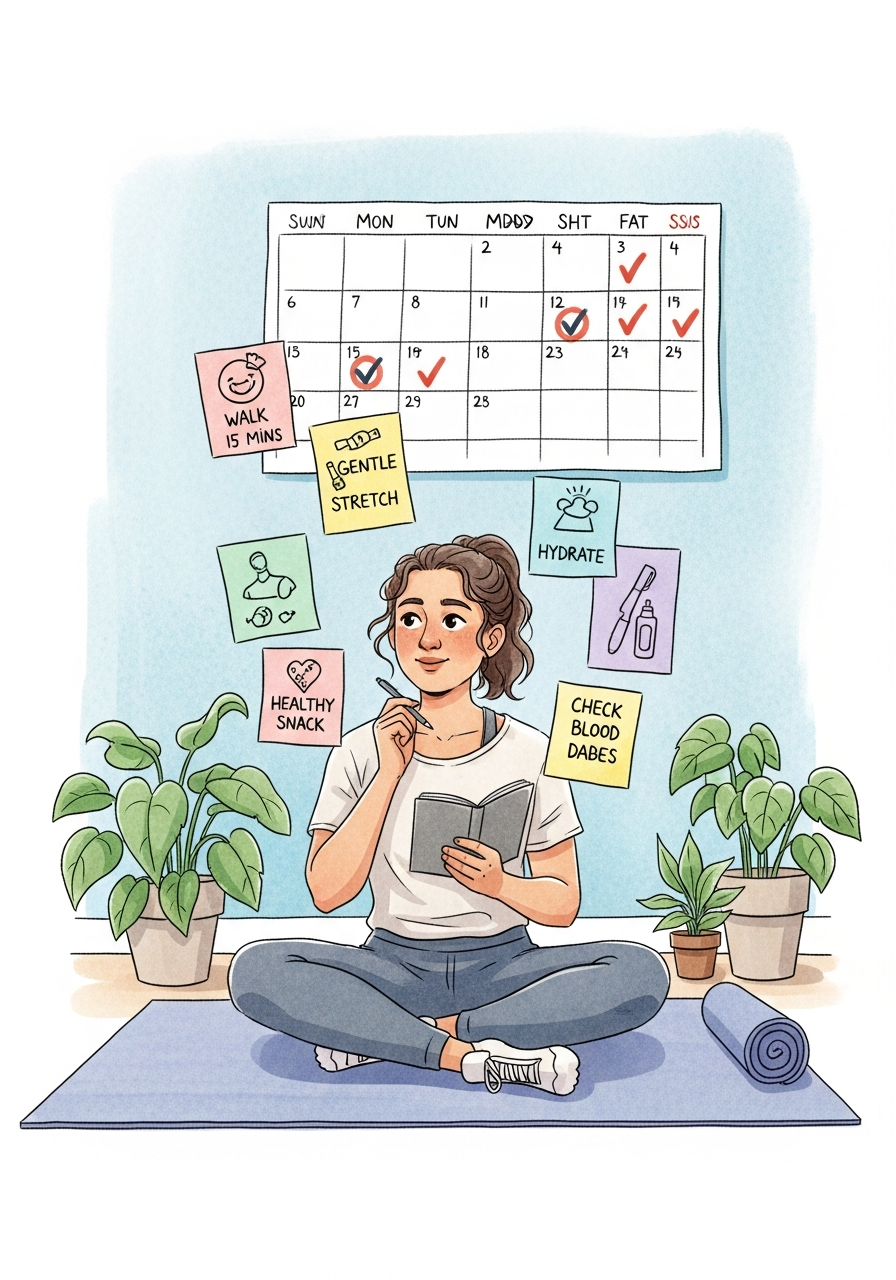
Begin by assessing your current activity level and finding opportunities to move more throughout your day. This could mean taking the stairs instead of the elevator, parking farther from the store entrance, or going for a short walk during your lunch break. These small changes add up.
The goal is consistency. Aim for about 150 minutes of moderate-intensity exercise per week, but don’t be discouraged if you can’t meet that right away. Tracking your blood sugar levels before and after exercise can show you the immediate positive impact on your blood glucose, which can be a powerful motivator to keep going.
Medications Commonly Used to Control High Blood Sugar
While lifestyle habits are the foundation of managing high blood sugar, medications are often a necessary and effective tool. These drugs can help lower blood sugar by addressing issues like insulin resistance or insufficient insulin production, helping to keep your blood glucose in a safe range.
It’s important to understand that these medications work in different ways and are not a substitute for healthy habits. Let’s look at how various drugs function and the warning signs that indicate your current plan may need adjustment.
How Different Medications Work to Manage Blood Sugar
Medications for blood sugar control are designed to work in several distinct ways to help manage blood glucose levels. Some drugs help your body become more sensitive to the insulin it already produces, while others increase the amount of insulin your pancreas releases.
Another class of medications works by slowing down the digestion of carbohydrates, which prevents a rapid surge in blood sugar after meals. Others help your kidneys remove excess sugar from your body through urine. Your doctor will choose the best option for you based on your specific needs and health profile.
Understanding how these medications function can empower you to be an active participant in your care.
| Medication Type | How It Works |
|---|---|
| Biguanides (e.g., Metformin) | Decreases glucose production by the liver and improves insulin sensitivity. |
| Sulfonylureas | Stimulates the pancreas to release more insulin. |
| SGLT2 Inhibitors | Helps the kidneys excrete excess glucose through urine. |
| GLP-1 Receptor Agonists | Increases insulin release, slows digestion, and reduces appetite. |
Warning Signs When Medication and Habits Aren’t Enough
Even with medication and healthy habits, you might sometimes find that your high blood sugar levels are not well-controlled. Recognizing the warning signs that your current plan isn’t working is crucial for preventing long-term diabetes complications and ensuring you continue to receive health benefits.
Pay close attention to how you feel. Symptoms that you thought were under control might start to reappear. This is your body’s way of telling you that something needs to be adjusted in your management plan.
Don’t ignore these persistent warning signs:
- Polydipsia: Feeling excessively thirsty all the time.
- Polyuria: Needing to urinate much more frequently than usual.
- Polyphagia: Experiencing extreme hunger, even after eating.
- Unexplained fatigue or blurry vision: These can indicate that your blood sugar is consistently too high.
Tackling Sugar Cravings and Addiction for Better Control
Dealing with sugar cravings can feel like a constant battle, but it’s one you can win. Overcoming a dependence on sugar is a critical step toward better blood sugar control, as it helps you make healthier food choices and stabilize your blood glucose.
Breaking the cycle of sugar addiction doesn’t happen overnight, but with the right strategies, you can reduce your cravings and find satisfying, healthier alternatives. Let’s explore how you can regain control and make choices that support your health goals.
Strategies for Breaking the Cycle of Sugar Dependence
Breaking the cycle of sugar dependence involves retraining your taste buds and your brain. The first step is to gradually reduce your intake of sugary foods. Going cold turkey can be overwhelming, but slowly cutting back gives your body time to adjust.
When a craving hits, try to understand its trigger. Are you stressed, bored, or tired? Finding non-food ways to cope with these feelings can help you avoid reaching for sugar. A short walk, a quick chat with a friend, or a few deep breaths can often do the trick.
Here are some strategies to help you succeed:
- Remove temptations by clearing your pantry of highly processed, sugary foods.
- Stay hydrated, as thirst is often mistaken for hunger or cravings.
- Eat regular, balanced meals with protein and fiber to prevent blood sugar crashes.
- Focus on the long-term health benefits to stay motivated.
Healthier Alternatives and Snack Ideas
Having a go-to list of healthy snacks can make all the difference when a craving strikes. Instead of reaching for something high in sugar, choose a snack that provides nutrients and helps stabilize your blood sugar. Combining protein, fiber, and healthy fats is the perfect formula for a satisfying snack.
Think about snacks that are both tasty and beneficial. A handful of nuts, a small bowl of Greek yogurt with berries, or apple slices with peanut butter can curb your craving while providing lasting energy. These options prevent the sharp blood sugar spike and subsequent crash that comes with sugary treats.
Keep these healthy options on hand:
- A handful of almonds or pumpkin seeds for protein and healthy fats.
- Plain Greek yogurt topped with a few berries.
- Baby carrots or celery sticks with hummus.
- A hard-boiled egg for a quick protein boost.
The Impact of Stress and Sleep on Blood Sugar
Your blood sugar isn’t just affected by what you eat and how much you move. Your stress levels and sleep quality also play a significant role. Chronic stress can cause your body to release hormones that raise blood glucose levels, while poor sleep can disrupt insulin sensitivity and increase sugar cravings.
Managing stress and prioritizing sleep are therefore crucial components of a holistic blood sugar management plan. Let’s look at some techniques to reduce stress and understand why quality sleep is so important for your overall health.
Stress-Reduction Techniques that Support Glucose Balance
When you’re under stress, your body releases hormones like cortisol and glucagon. These hormones can cause your liver to release more glucose into your bloodstream, leading to elevated blood sugar levels. This is why incorporating stress-reduction techniques into your daily life is so important for glucose balance.
Finding what helps you relax is a personal journey. For some, it might be gentle exercise like yoga or tai chi. For others, it could be mindfulness meditation, deep breathing exercises, or simply spending time in nature. The goal is to find activities that help you unwind and practice them regularly.
Consider trying these simple relaxation methods:
- Mindfulness: Focus on the present moment without judgment.
- Journaling: Write down your thoughts and feelings to process them.
- Hobbies: Engage in activities you enjoy, like gardening or painting.
- Deep breathing: Take slow, deep breaths to calm your nervous system.
Importance of Quality Sleep for Effective Sugar Control
Good sleep quality is a non-negotiable pillar of effective blood sugar control. When you don’t get enough restorative sleep, it can have a direct and negative impact on your body’s ability to manage glucose. Sleep deprivation can decrease insulin sensitivity, meaning your cells don’t respond as well to insulin.
This lack of sleep can also throw your hunger hormones out of whack, increasing appetite and cravings for high-carb, sugary foods. This creates a vicious cycle where poor sleep leads to poor food choices, which in turn can disrupt sleep further. The health benefits of getting enough rest extend far beyond just feeling refreshed.
Aim for 7 to 8 hours of high-quality sleep per night to support your overall health. Establishing a consistent sleep schedule, creating a relaxing bedtime routine, and ensuring your bedroom is cool, dark, and quiet can significantly improve your sleep quality and, consequently, your blood sugar management.
Frequently Asked Questions (FAQ)
Managing blood sugar can seem overwhelming, so it’s natural to have questions. Common inquiries include how specific foods, like leafy greens and Greek yogurt, can support healthy blood sugar levels, and the impact of sugar substitutes on glycemic control. Many wonder about the role of regular physical activity and quality sleep in blood sugar regulation. Staying informed about portion sizes and food labels can also help you lower blood sugar levels effectively. Consulting a healthcare professional can provide personalized guidance on your journey.
Is it possible to control blood sugar through habits alone without medication?
For some people, especially in the early stages or with prediabetes, dedicated lifestyle changes in habits can be enough for blood sugar control. A healthy diet, regular exercise, and weight management can significantly lower blood glucose. However, many individuals will still require medication alongside these lifestyle efforts for optimal management.
What are early warning signs that my blood sugar is not under control?
Early warning signs of high blood sugar include increased thirst, frequent urination, unexplained fatigue, and blurred vision. These symptoms indicate that your blood glucose levels may be consistently too high, increasing your diabetes risk. If you experience these signs, it’s important to consult your healthcare provider for an evaluation.
Are there any common lifestyle changes people overlook in managing their blood sugar?
Yes, people often overlook the impact of stress and poor sleep on blood sugar. While diet and exercise are crucial, chronic stress and sleep deprivation can significantly raise blood glucose levels. Managing these overlooked lifestyle changes is essential for achieving healthy blood sugar levels and effective blood sugar control.
Conclusion
In conclusion, effectively managing your blood sugar involves a holistic approach that encompasses lifestyle habits, dietary choices, and, when necessary, medication. By understanding how to regulate blood sugar levels and incorporating healthy routines, you can prevent spikes and ensure long-term health. Remember, every small change you make contributes to better glucose control, from choosing the right foods to engaging in physical activities. If you’re serious about taking charge of your health, consider reaching out for a free consultation to explore personalized strategies tailored to your needs. Your journey to better blood sugar management starts today!
https://pmc.ncbi.nlm.nih.gov/articles/PMC6709577
https://pmc.ncbi.nlm.nih.gov/articles/PMC6710489
https://www.ncbi.nlm.nih.gov/pmc/articles/PMC6886913
https://www.ncbi.nlm.nih.gov/pmc/articles/PMC6145966
https://order.store.mayoclinic.com/flex/mmv/incon01
https://diabetes.org/health-wellness/fitness/blood-glucose-and-exercise
https://diabetes.org/food-nutrition/understanding-carbs/carb-counting-and-diabetes
https://www.cdc.gov/diabetes/managing/manage-blood-sugar.html