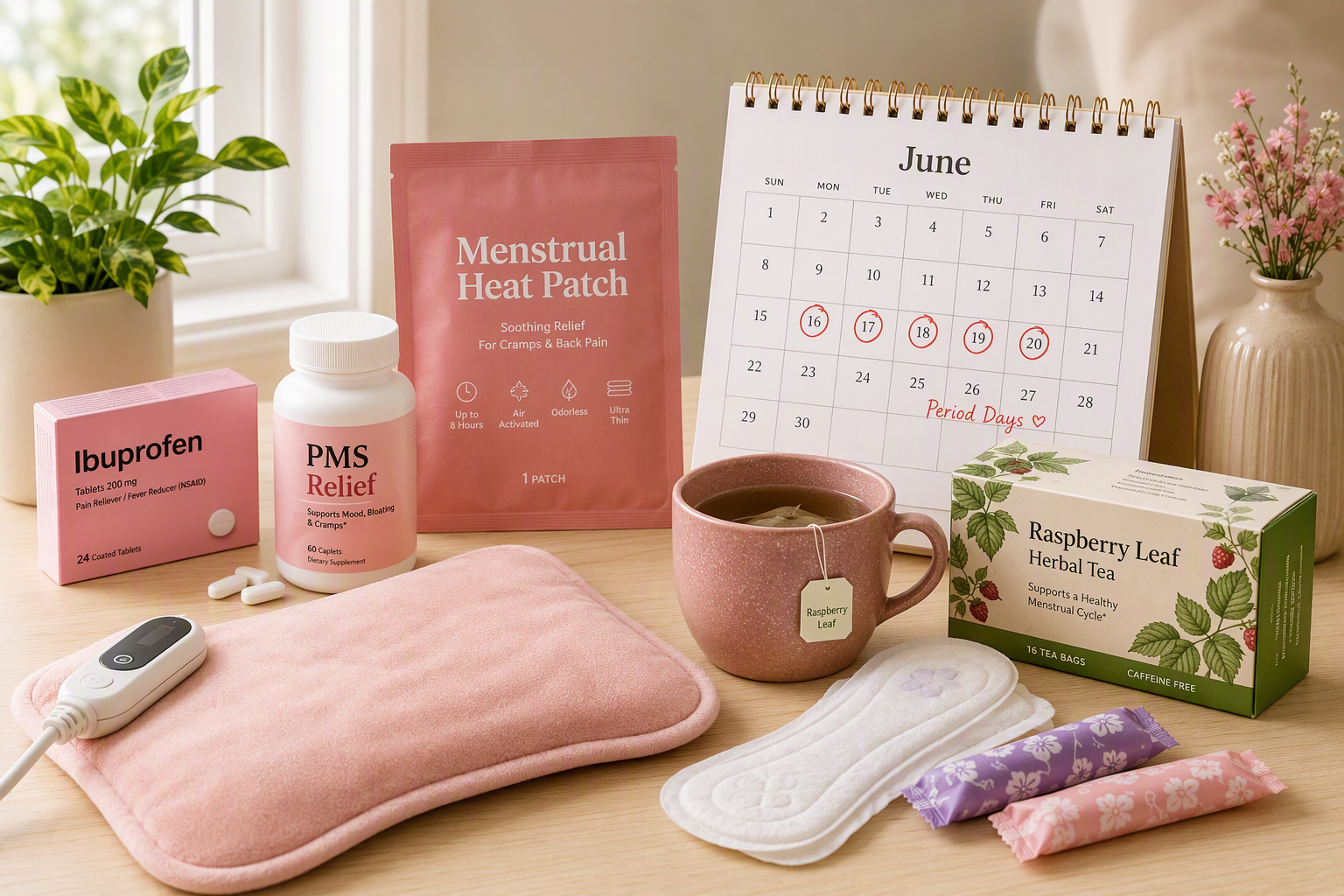

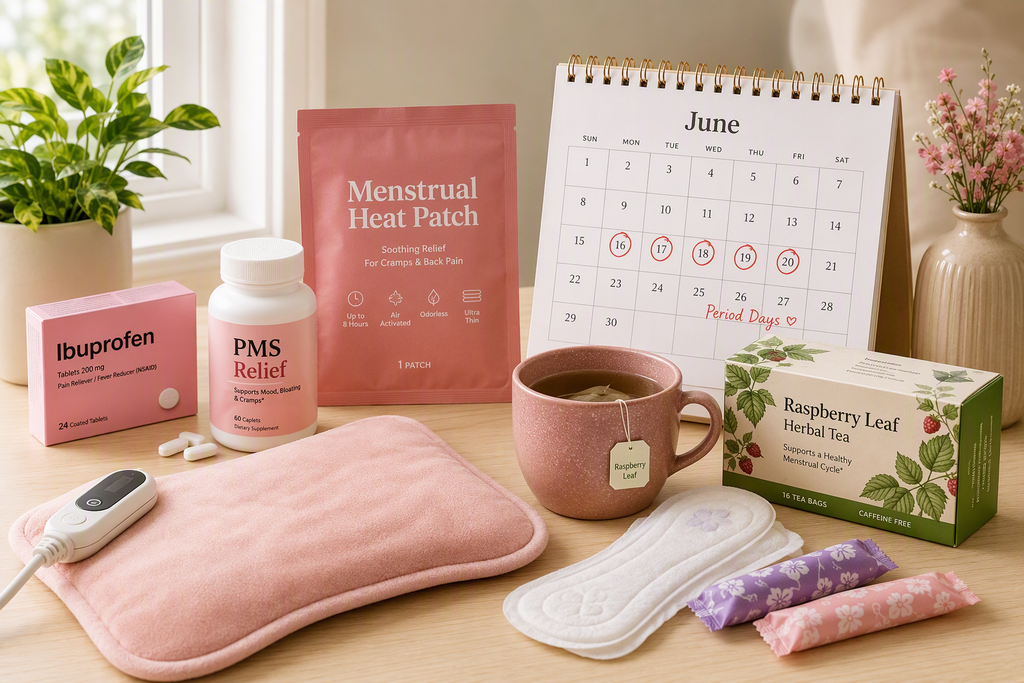
Ultimate Guide to Period Cramps Relief Drugs Available
Key Highlights
- Period cramps often start around the menstrual cycle and can range from mild to severe.
- OTC medications like ibuprofen and naproxen sodium are common choices for pain relief.
- Acetaminophen may help if you cannot use certain pain reliever options.
- Prescription drugs may be considered when painful periods disrupt daily activities.
- Side effects and drug interactions matter, especially if you have other health problems.
- Knowing when to contact a healthcare provider is an important part of safe treatment.
If period pain keeps showing up every month, you are not alone. Menstrual cramps are very common, and they can cause aching, pressure, or throbbing in the lower abdomen. For some people, the discomfort is mild and short-lived. For others, it can make work, school, and rest much harder. The good news is that several relief drugs and simple care options can help. Understanding what causes the pain is the first step toward choosing the right support.
Understanding Period Cramps and Treatment Options
Menstrual cramps, also called dysmenorrhea, happen when the uterus contracts to shed its lining during the menstrual cycle. Many people feel cramping the day before or the day their period starts, and symptoms often ease after a few days. Pain may stay mild, or it may interfere with normal activities.
Treatment options depend on how strong the pain is and whether another health condition could be involved. Helpful health information includes when the pain starts, how long it lasts, and whether symptoms are getting worse. That background makes the next details easier to understand.
What Causes Period Cramps?
The main cause of menstrual cramps is a rise in natural chemicals called prostaglandins. During the menstrual cycle, prostaglandin levels increase before bleeding starts. That rise triggers muscle contractions in the uterus, which help shed the uterine lining. Those contractions are what create the cramping feeling.
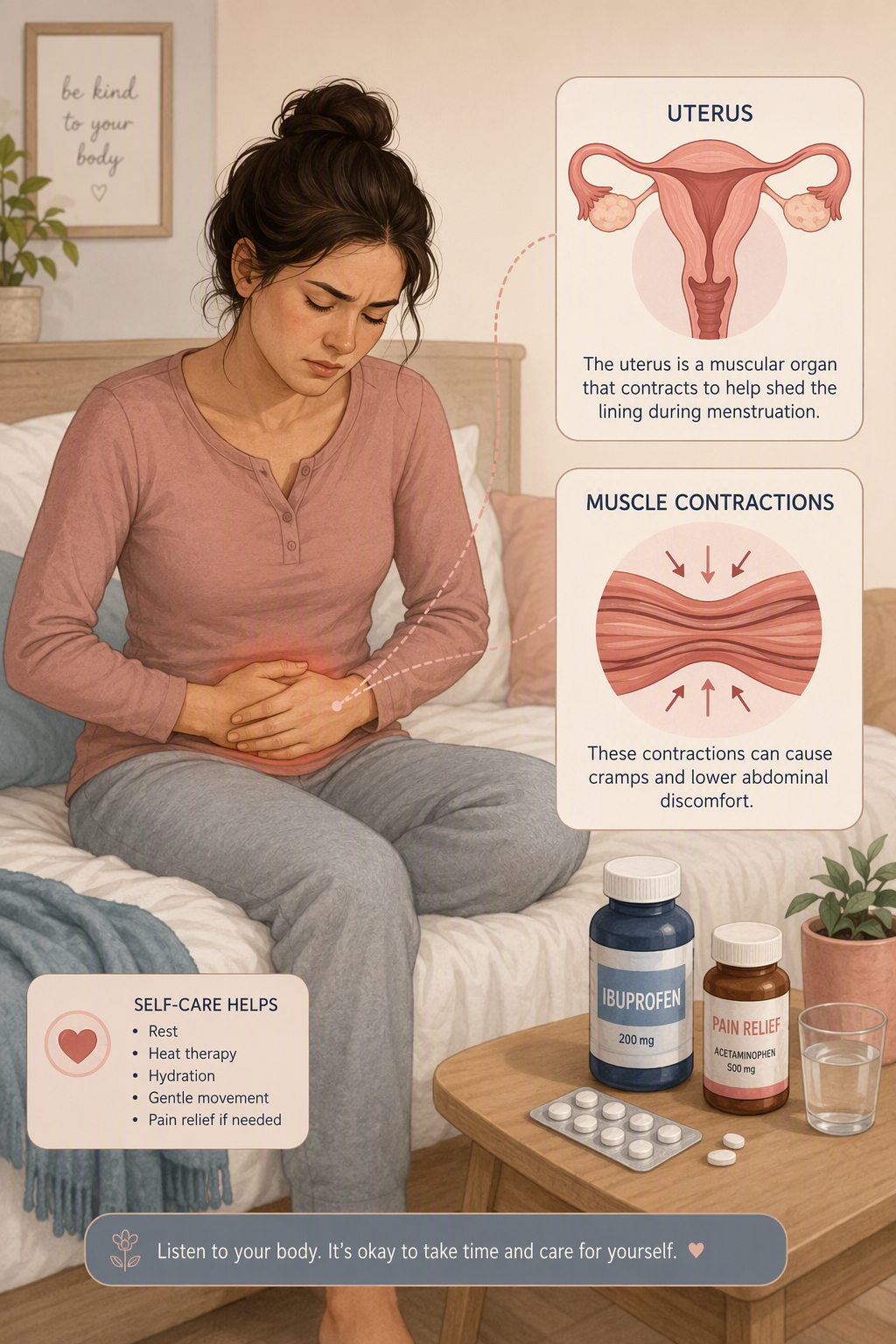
Some people feel only mild discomfort, while others have stronger pain. Experts believe higher prostaglandin levels may play a role, though bodies respond differently. Primary dysmenorrhea means the pain is not linked to another condition and tends to return with each period.
At times, cramps are tied to problems in the reproductive organs. This is called secondary dysmenorrhea. Conditions such as endometriosis, fibroids, adenomyosis, pelvic inflammatory disease, or cervical narrowing can cause pain that starts earlier and lasts longer. For many people, the most effective over-the-counter drugs are NSAIDs like ibuprofen or naproxen because they reduce the production of prostaglandins.
How Period Pain Is Experienced and Diagnosed
Period pain is often felt as aching, throbbing, or cramping in the lower abdomen. Some people also notice pain in the lower back, hips, or thighs. Other symptoms can include nausea, headache, dizziness, fatigue, or loose stools. The pain usually begins shortly before the period and often improves within a few days.
Even if you use a symptom checker or an online symptom check, it helps to track when pain starts, how long it lasts, and whether it affects daily activities. Keeping notes on heavy bleeding, headaches, or pain that gets worse over time can give useful health information.
A healthcare provider may ask about your menstrual cycle, symptoms, and family history. They may do a pelvic exam and, if needed, tests such as ultrasound, hysteroscopy, or laparoscopy. You should see a doctor if cramps are severe, last more than three days, start becoming unusual, or stop you from doing normal tasks.
Over-the-Counter Period Cramp Relief Drugs
For many people, OTC medications are the first step for period pain relief. Common options include ibuprofen and naproxen sodium, both of which are NSAIDs. These drugs help by lowering prostaglandin activity, which can ease the cramping linked to period cramps. They are widely available in stores and online.
If NSAIDs are not a good fit, acetaminophen is another pain reliever that may offer help. It does not work the same way, but it can still reduce discomfort for some users. To compare these choices more clearly, let’s look at the most common options.
Common OTC Medications: Ibuprofen, Naproxen, and Acetaminophen
The most effective over-the-counter drugs for many people are ibuprofen and naproxen. These are NSAIDs, and they help by reducing the production of prostaglandins that drive cramps. Acetaminophen can also be used, especially if NSAIDs are not suitable, but it does not lower inflammation in the same way.
| OTC pain medicine | What to know |
|---|---|
| Ibuprofen | Common NSAID for menstrual cramps; often used when cramping begins |
| Naproxen | Another NSAID; naproxen sodium is a common store option for longer-lasting relief |
| Acetaminophen | Non-NSAID option; may help pain but works differently from NSAIDs |
So what is the difference between NSAIDs and acetaminophen for menstrual cramp relief? NSAIDs such as ibuprofen and naproxen target prostaglandin-related cramping more directly. Acetaminophen helps pain too, but it is usually chosen when someone cannot take NSAIDs. Always follow the recommended dose of pain medicine on the product label or from your provider.
Effectiveness and Onset Time of OTC Painkillers
OTC painkillers can be very helpful for period cramps, especially when taken as cramping begins. NSAIDs are often preferred because they address the chemical process behind the pain. That makes them useful not only for minor aches, but also for more bothersome menstrual pain.
The exact onset time is not detailed in the available health information, but guidance does stress taking these medicines as soon as cramps start for the best results. If you wait until pain becomes intense, relief may feel less complete.
- Take the medicine when period cramps begin, not long after pain builds.
- Follow the product label for timing and dose.
- If the pain keeps returning or limits daily life, talk with a healthcare provider.
If you are wondering how fast these medicines start working, the key takeaway is simple: early use tends to support better pain relief.
Prescription Medications for Severe Menstrual Cramps
When severe menstrual cramps keep interrupting school, work, sleep, or other parts of daily life, prescription drugs may be part of the next step. A healthcare provider may recommend stronger anti-inflammatory treatment or other treatment options based on your symptoms and history.
In some cases, period pain is linked to an underlying cause, not just the menstrual cycle itself. That is why prescription care is not only about stronger relief. It may also help address the reason the pain is happening. The next sections explain which options are commonly used and when to consider them.
Types of Prescription Drugs Used for Period Pain
Common prescription medications for severe menstrual cramp relief include higher-dose anti-inflammatory medicines and hormonal birth control. A provider may prescribe ibuprofen or another anti-inflammatory medication at a stronger dose than what is sold over the counter. These options are used when regular pain reliever choices do not give enough help.
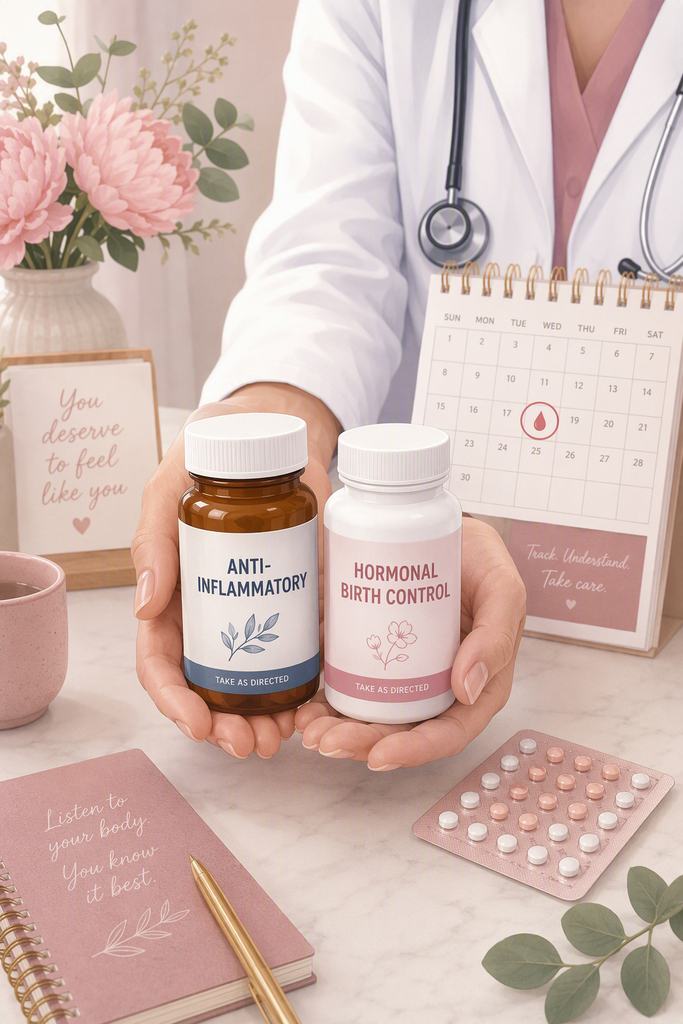
Hormonal birth control is another common option. People who use the pill, patch, or vaginal ring often have less menstrual pain. This approach may be useful when cramps are recurring and tied closely to the cycle.
- Higher-dose prescription anti-inflammatory drugs
- Hormonal birth control such as the pill, patch, or vaginal ring
- Treatment aimed at an underlying health condition causing secondary dysmenorrhea
If a health condition like endometriosis or fibroids is behind the pain, prescription medications may be only one part of a broader plan.
When to Consider Prescription Options
You should think about prescription options when severe pain makes daily life hard to manage. That includes missing school, struggling at work, or being unable to do regular tasks. Pain that lasts more than three days, gets worse over time, or starts earlier in the cycle also deserves attention.
Another sign is when over-the-counter medicines do not provide enough relief. If you keep needing them but still cannot function normally, a healthcare provider can review your symptoms and give more complete health information about what may be happening.
Sometimes the issue is not typical primary dysmenorrhea. Painful periods can be linked to endometriosis, pelvic inflammatory disease, fibroids, or adenomyosis. That is why you should see a doctor instead of relying only on relief drugs when cramps are severe, unusual, or paired with heavy bleeding or other changing symptoms.
Safety, Side Effects, and Drug Interactions
Relief drugs can help period cramps, but safe use matters just as much as symptom relief. Every pain reliever comes with possible side effects, and the risk may be higher if you already have other health problems. Reading labels and following directions can prevent common mistakes.
Drug interactions also deserve attention. Taking more than one product without checking ingredients can lead to problems, especially for first time users. Before combining medicines or using them often, it is smart to understand what each drug does and when extra caution is needed.
Possible Side Effects of Common Period Cramp Relief Drugs
Yes, there can be side effects with common period cramp relief drugs like ibuprofen or naproxen. The available health information does not list every possible reaction, but it makes clear that side effects and existing health problems should be considered before using any medicine regularly. That is especially true if you have trouble tolerating pain medicines.
Ibuprofen and naproxen are NSAIDs, so they are often chosen first for cramps. Acetaminophen may be used if NSAIDs are not a good fit. Even though these drugs are familiar, they are still medications and should be used carefully.
- Check the label every time, even if you have used the product before
- Use caution if you already have health problems
- Contact a healthcare provider if symptoms worsen or the medicine does not seem right for you
For practical safety, the biggest point is simple: effective does not mean risk-free.
Guidelines for Safe Use and Combining Medications
Safe use starts with the label. Follow the recommended dose of pain medicine and do not assume that taking more will give faster relief. First time users should be extra careful and read active ingredients closely, since different products may contain similar medicines.
If you are asking, “Can I take multiple period pain relief drugs together safely?” the safest answer is to avoid combining them unless a healthcare provider tells you it is okay. Drug interactions can happen, and doubling up by mistake is easy when products have overlapping ingredients.
- Read the active ingredient list before taking another medicine
- Do not go over the labeled dose or timing
- Ask a pharmacist or healthcare provider before mixing products
When in doubt, keep it simple. One correctly used medicine is safer than several taken without clear guidance.
Conclusion
In summary, managing period cramps effectively involves understanding your options, from over-the-counter medications like ibuprofen and naproxen to prescription drugs for more severe pain. Each treatment has its own set of benefits and potential side effects, so it’s vital to choose what’s right for your body and consult with a healthcare professional when necessary. Remember, you don’t have to endure menstrual pain alone—there are solutions available to help you find relief and regain your comfort. If you’re looking for personalized advice or recommendations, don’t hesitate to reach out for a free consultation. Your well-being is worth it!
Frequently Asked Questions
Are There Drug-Free Alternatives That Relieve Period Cramps Effectively?
Yes, some drug-free alternatives may help period pain. A heating pad or warm bath can ease discomfort, and regular physical activity may reduce cramps over time. Some people also try dietary supplements such as vitamin D or magnesium. These options may help, though results can vary from person to person.
Which Medications Are Recommended for Those Sensitive to Painkillers?
If you are sensitive to certain painkillers, acetaminophen may be an option because it is different from NSAIDs. It may help with less menstrual pain when ibuprofen or naproxen are not suitable. For personal health information and the safest choice, it is best to check with a healthcare provider.
When Should You See a Doctor About Period Cramps Despite Using Relief Drugs?
See a healthcare provider if period cramps remain severe despite relief drugs, last more than three days, or stop you from doing normal tasks. Painful periods with heavy menstrual bleeding or signs of a condition such as pelvic inflammatory disease should also be checked, especially if symptoms are new or worsening.
https://order.store.mayoclinic.com/flex/mmv/fhblc01
https://www.jeanhailes.org.au/health-topics/periods/period-products
https://www.jeanhailes.org.au/resources/translated-fact-sheets
https://www.jeanhailes.org.au/health-topics/periods/irregular-periods
https://www.pregnancybirthbaby.org.au/medicines-and-breastfeeding