
Effective Ways on How to Lower Cholesterol Naturally
Key Highlights
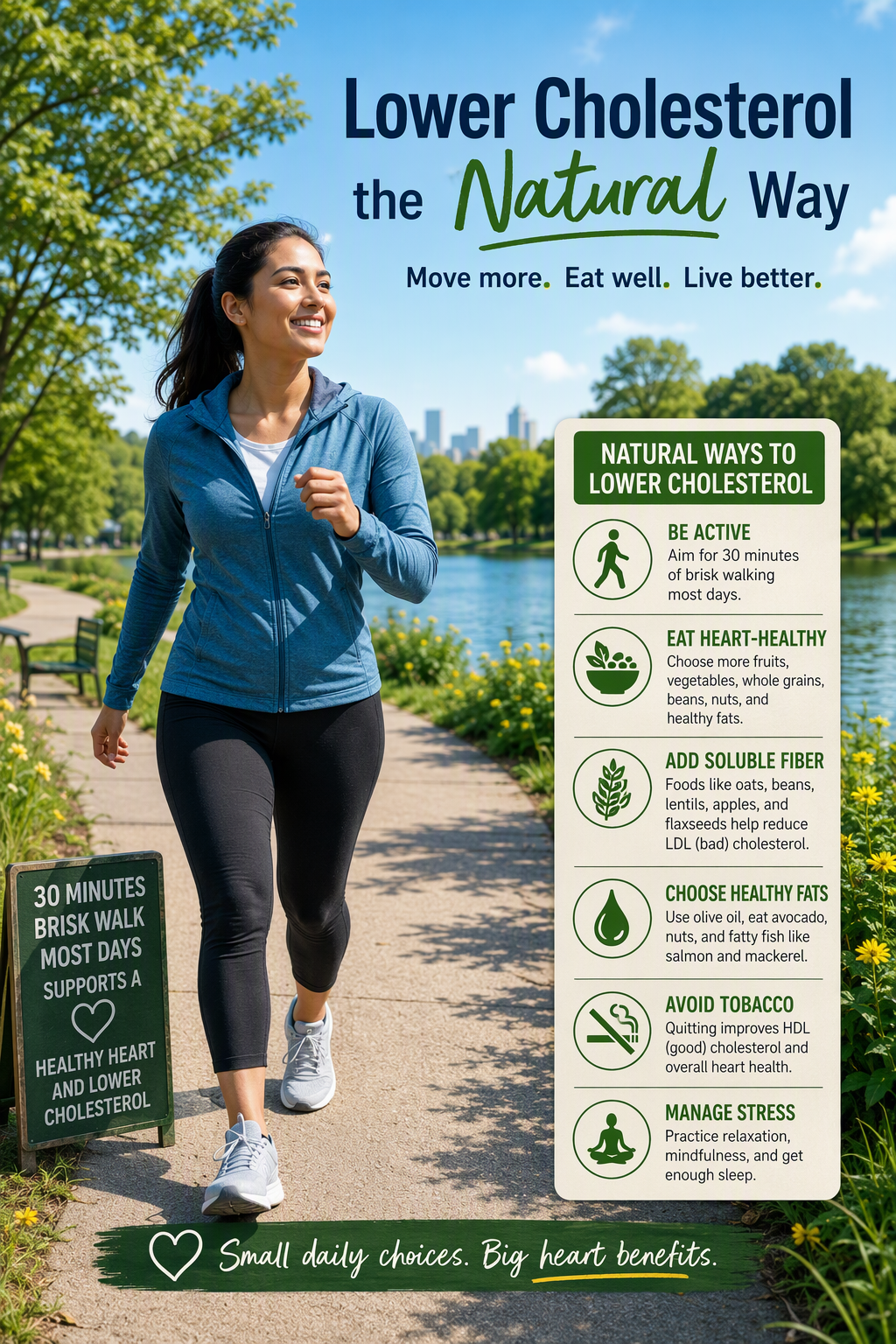
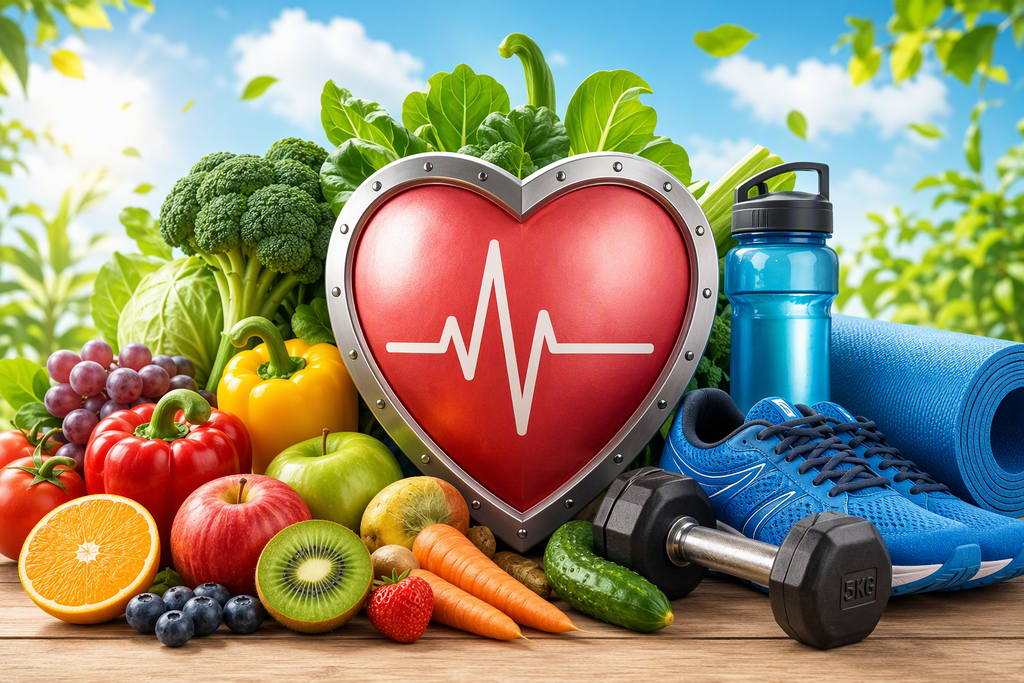
- Lower cholesterol naturally often starts with healthy eating, regular physical activity, and steady weight loss.
- Cutting saturated fat from red meat and full-fat dairy products can help lower LDL cholesterol.
- Soluble fiber from oatmeal, kidney beans, apples, pears, and Brussels sprouts supports better blood cholesterol control.
- Exercise such as brisk walking can raise HDL cholesterol and improve heart health.
- Quitting smoking and limiting much alcohol can reduce major risk factors linked to heart disease.
- If lifestyle changes are not enough, a healthcare professional may still recommend medication.
Introduction
If you want to improve your cholesterol levels, you do not always need to start with complicated steps. Simple changes in your daily routine can make a real difference to heart health. A healthy lifestyle built around smarter food choices, regular movement, and better habits can help lower cholesterol naturally over time. The key is to stay consistent. Once you understand what affects cholesterol most, it becomes much easier to make choices that support your long-term health.
Understanding Cholesterol and Its Impact on Health
Cholesterol is a waxy substance in your blood, and your body needs some of it to function well. The problem starts when cholesterol levels become too high. That can affect blood cholesterol balance and increase strain on your heart and blood vessels.
High levels are tied to heart disease and other serious health problems. Some of the biggest risk factors include poor diet, low activity, smoking, and extra weight. Knowing how cholesterol works helps you make smarter choices before problems build over time.
What Is Cholesterol and Why Does It Matter?
Cholesterol travels through your bloodstream and plays a role in normal body processes. Still, your cholesterol levels need to stay in a healthy range. When that balance shifts, cholesterol can become a problem instead of a useful substance.
A big concern is ldl cholesterol. This is often called “bad” cholesterol because high levels can contribute to buildup in blood vessels. Over time, that raises the risk of heart disease. On the other hand, hdl cholesterol is known as “good” cholesterol because it helps support a healthier balance.
So, what are the most effective ways to lower cholesterol naturally? Based on proven lifestyle steps, the strongest options are eating heart-healthy foods, being active most days, quitting smoking, losing extra weight, and avoiding too much alcohol. These changes can improve cholesterol and support overall heart health.
The Difference Between “Good” and “Bad” Cholesterol
Not all cholesterol acts the same way in your body. ldl cholesterol is the type linked with greater risk of heart problems when it gets too high. It can raise total cholesterol and make blood cholesterol harder to manage.
By contrast, hdl cholesterol helps your body maintain a healthier mix. Higher HDL is generally helpful for heart health, which is why habits that raise it matter. Exercise and quitting smoking are two examples that can support better HDL levels.
If you are wondering which foods to eat or avoid, the pattern is clear. Eat more foods that support healthier blood cholesterol, such as those with soluble fiber and healthy fats. Limit foods high in saturated fat and avoid trans fat. That simple shift can lower the risk of heart trouble over time.
Heart-Healthy Dietary Habits for Lowering Cholesterol
Your food choices have a direct effect on cholesterol. Healthy eating can help lower cholesterol by reducing saturated fat and replacing it with better options. This is one of the most practical starting points for many people.
Focus on meals built around healthy fats and foods rich in soluble fiber. These choices can support the absorption of cholesterol in a better way and improve overall cholesterol numbers. Next, let’s look at which foods deserve more space on your plate and which ones are better to limit.
Foods to Eat More Of for Lower Cholesterol
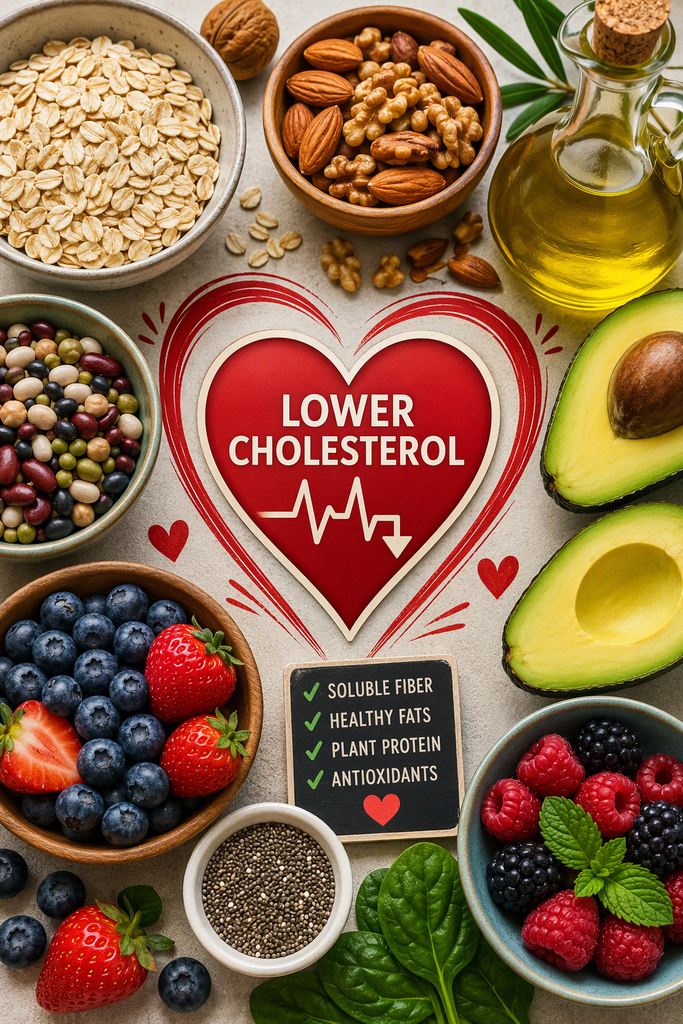
When you want to lower LDL cholesterol, start by adding foods that support heart health instead of only thinking about what to cut. Foods high in soluble fiber and healthier types of fat can improve blood cholesterol over time. Some choices also fit well within therapeutic lifestyle changes.
Here are good foods to eat more often:
- Oatmeal and other whole grains for soluble fiber
- Kidney beans, which help reduce absorption of cholesterol
- Brussels sprouts, apples, and pears for added fiber
- Salmon, mackerel, and herring for omega-3 fatty acids
- Walnuts and flaxseeds for heart-friendly fatty acids
- Olive oil and foods with plant sterols as alternatives to less healthy fats
You can also consider whey protein from dairy products or dietary supplements if your healthcare professional thinks it fits your needs. These foods answer a common question clearly: eat more fiber-rich foods and healthier fats if you want better cholesterol levels.
Foods to Limit or Avoid for Better Heart Health
Just as important as what you add is what you limit. Foods high in saturated fat and trans fat can raise overall cholesterol, especially LDL. If your goal is better heart health, cutting back on these foods can make a measurable difference.
Try to limit or avoid these items:
- Red meat, which is a common source of saturated fat
- Full-fat dairy products, which can raise LDL levels
- Packaged cookies, crackers, and cakes with trans fat
- Foods listing partially hydrogenated vegetable oils
- Coconut oil and palm oil when they replace healthier fats
- Much alcohol, which can lead to high blood pressure and other health problems
Even products labeled with zero trans fat deserve a quick ingredient check. If you see partially hydrogenated oil, skip it. Keeping less saturated fat and fewer processed fats in your diet is one of the clearest ways to lower cholesterol naturally.
Physical Activity and Exercise for Managing Cholesterol
Exercise helps your cholesterol profile in more than one way. Regular physical activity can raise HDL cholesterol, support weight control, and improve heart health. That makes it a strong tool if you want to lower cholesterol naturally.
You do not need an extreme routine to begin. Even brisk walking counts, and short movement breaks through the day can help. The key is consistency. In the next sections, you’ll see which kinds of exercise work best and how often to do them for better LDL levels and overall fitness.
Types of Exercise Proven to Lower Cholesterol
Exercise impacts cholesterol by helping raise HDL cholesterol and supporting a healthier heart. It also helps with weight control, which can improve cholesterol numbers further. In some cases, regular movement can also help lower triglycerides, making it a useful part of a full plan.
Good options include aerobic exercise and other forms of physical activity you can keep doing week after week. Brisk walking is one of the easiest ways to start, but biking, running, fast cycling, and sports also work well.
| Type of exercise | How it helps |
|---|---|
| Brisk walking | Simple, accessible aerobic exercise that supports heart health |
| Running | Vigorous activity that can improve fitness and cholesterol balance |
| Fast cycling | Helps raise good cholesterol when done regularly |
| Biking to work | Adds physical activity to your daily routine |
| Playing a sport | Makes exercise easier to maintain and can support lower triglycerides |
How Often and How Intensely Should You Exercise?
A practical target is at least 30 minutes of exercise five days a week. Brisk walking fits this goal well and is often easier to maintain than intense programs. If you prefer harder workouts, vigorous aerobic activity for at least 25 minutes three days a week is another option.
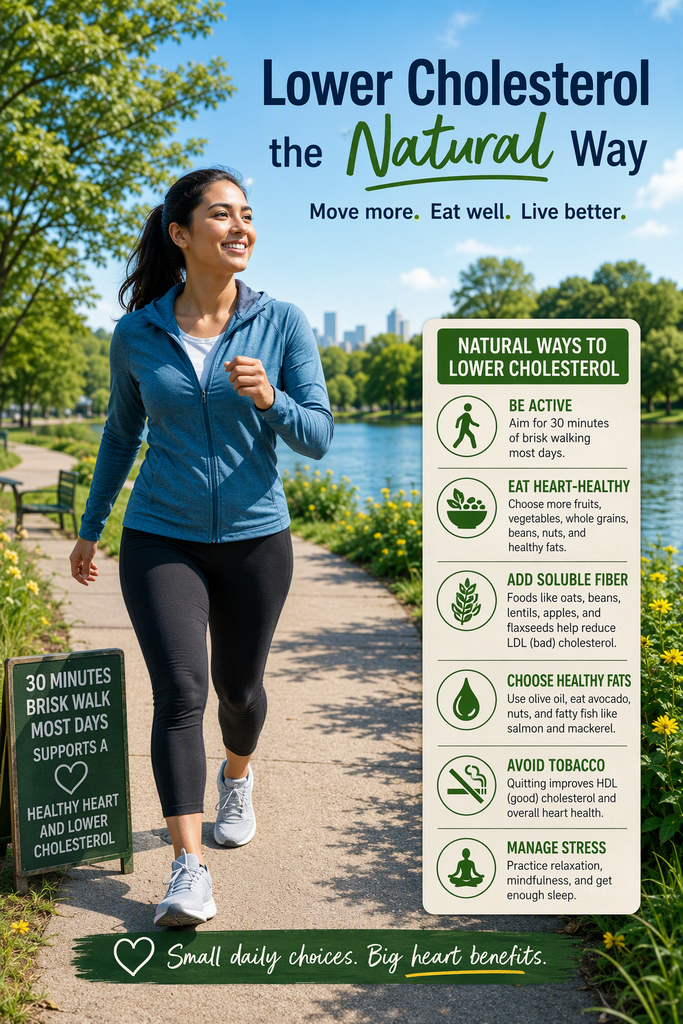
You can also build physical activity into your routine in smaller bursts. A walk at lunch, taking the stairs, or standing more during the day can support heart health. These healthy habits matter, especially when you are trying to improve ldl cholesterol without relying on one single change.
The best intensity is the one you can keep up safely and consistently. Therapeutic lifestyle changes work best when they fit real life. If you have health concerns, check with a healthcare professional before starting a new routine.
Additional Lifestyle Changes That Support Healthy Cholesterol
Food and exercise matter a lot, but they are not the whole picture. Other lifestyle changes can also support better cholesterol levels and reduce the chance of heart attacks and other complications. Small daily choices add up.
Working toward a healthy weight, managing stress, quitting smoking, and limiting alcohol can all help. Some of these steps also improve blood pressure and general well-being. The next two sections explain how weight management and non-medication strategies fit into a smart cholesterol plan.
Importance of Weight Management and Stress Reduction
Even a small amount of extra weight can raise cholesterol levels. That is why weight loss plays a meaningful role in reducing high cholesterol. Simple steps like swapping sugary drinks for water, choosing lighter snacks, and moving more during the day can help you make progress.
You do not need to chase fast results. A healthy lifestyle built on steady habits is more realistic and easier to maintain. Parking farther away, taking short walk breaks, and doing more standing activities can support both weight management and heart health.
Stress reduction also matters because it supports better daily choices. While the compiled guidance focuses more on diet, exercise, and smoking, lower stress can make healthy habits easier to keep. That can help reduce risk factors tied to cholesterol, high blood pressure, and other long-term problems.
Managing Cholesterol Without Medication: What to Know
Yes, high cholesterol can sometimes be lowered without medication. For many people, lifestyle changes are the first step. Healthy eating, regular activity, quitting smoking, weight loss, and drinking less alcohol can all help lower cholesterol and improve heart health.
Some people also explore dietary supplements, such as whey protein. These may support better cholesterol numbers in certain cases, but they are not a substitute for strong daily habits. It is smart to talk with a healthcare professional before adding supplements to your routine.
Still, lifestyle changes do not always work enough on their own. If your cholesterol stays high, medication may be needed. That does not mean your efforts failed. It simply means your body may need extra help, and healthy habits can still improve results alongside treatment.
Conclusion
In conclusion, lowering cholesterol naturally is achievable through a combination of heart-healthy dietary habits, regular physical activity, and positive lifestyle changes. By understanding the difference between “good” and “bad” cholesterol, you can make more informed choices about your food intake and exercise routines. Remember that small adjustments, like incorporating more fiber-rich foods and engaging in consistent exercise, can lead to significant improvements in your cholesterol levels. Prioritizing your heart health is essential not only for longevity but also for enhancing your overall quality of life. If you’re ready to take charge of your cholesterol management, consider seeking personalized advice or guidance tailored to your needs.
Frequently Asked Questions
How fast can lifestyle changes lower cholesterol?
A healthy lifestyle can start improving cholesterol levels within weeks, but the timing varies. Your blood cholesterol response depends on your starting point and how consistent your habits are. Keep following the plan, and check your cholesterol numbers with your healthcare professional to track progress.
Can high cholesterol be managed without drugs?
Yes, some people can lower cholesterol through lifestyle changes alone. Healthy eating, regular physical activity, weight loss, quitting smoking, and limiting alcohol can improve high cholesterol. If those steps are not enough, your healthcare professional may suggest medicine along with the same healthy habits.
What are common myths about lowering cholesterol naturally?
A common myth is that only medication matters. In reality, diet and daily habits can strongly affect cholesterol levels. Another myth is that all fats are bad. Saturated fat can raise risk of heart disease, while healthy fats from better food choices can support heart health.
https://www.health.harvard.edu/healthbeat
https://www.health.harvard.edu/diet-and-nutrition/nitrates-in-food-and-medicine-whats-the-story
https://www.ncbi.nlm.nih.gov/pubmed/42797039
https://order.store.mayoclinic.com/flex/mmv/HLFBOOK
https://www.heart.org/en/healthy-living/healthy-eating/eat-smart/nutrition-basics/mediterranean-diet