
What Does Botox Actually Do? The Facts Explained
Key Highlights
- Botox injections use botulinum toxin to temporarily relax facial muscles, reducing the appearance of fine lines and wrinkles.
- Beyond cosmetic procedures, Botox is used to treat various medical conditions, including chronic migraines, muscle spasms, and excessive sweating.
- The effects of these injections typically last for three to four months, requiring follow-up treatments to maintain results.
- Botox works by blocking nerve signals to the muscles, preventing them from contracting.
- While generally safe, potential side effects can include bruising, swelling, or drooping at the injection site.
- Results from Botox injections usually start to appear within a few days, with the full effect visible in about 10 to 14 days.
Introduction
Have you ever wondered what Botox is all about? You’ve likely heard of it for smoothing wrinkles, but this popular treatment has a fascinating story. Botox injections use a purified form of botulinum toxin to achieve both aesthetic and medical goals. Whether for cosmetic Botox to refresh your appearance or for therapeutic reasons, understanding how it works is key. This guide will explain the science behind Botox, what it does, and what you can expect from a treatment.
Understanding Botox: What It Is and How It Works
Botox is a well-known brand name for a treatment derived from botulinum toxin, a neurotoxin produced by the bacterium Clostridium botulinum. While it might sound intimidating, it’s used in very small, controlled doses for both cosmetic purposes and medical treatments.
The primary function of Botox injections is to cause temporary muscle weakness in targeted facial muscles. This relaxation effect is what helps smooth out wrinkles and treat various muscular conditions. We’ll explore where this substance comes from and how it specifically interacts with your body.
What Is Botox and Where Does It Come From?
Botox is the most widely recognized brand name for a type of botulinum toxin injection. The substance itself, botulinum toxin, is a neurotoxin. It originates from a specific bacterium called Clostridium botulinum.
This bacterium is found naturally in soil and can also be present in contaminated foods. In large amounts, it can cause a serious illness known as botulism. However, the botulinum toxin used for medical and cosmetic treatments is produced in a controlled laboratory setting.
For Botox injections, technicians use a specific strain (type A) of the bacterium Clostridium botulinum. They dilute and sterilize the toxin to ensure it is safe and effective for use, preventing any risk of botulism and delivering predictable results.
How Botox Interacts with Muscles in the Body
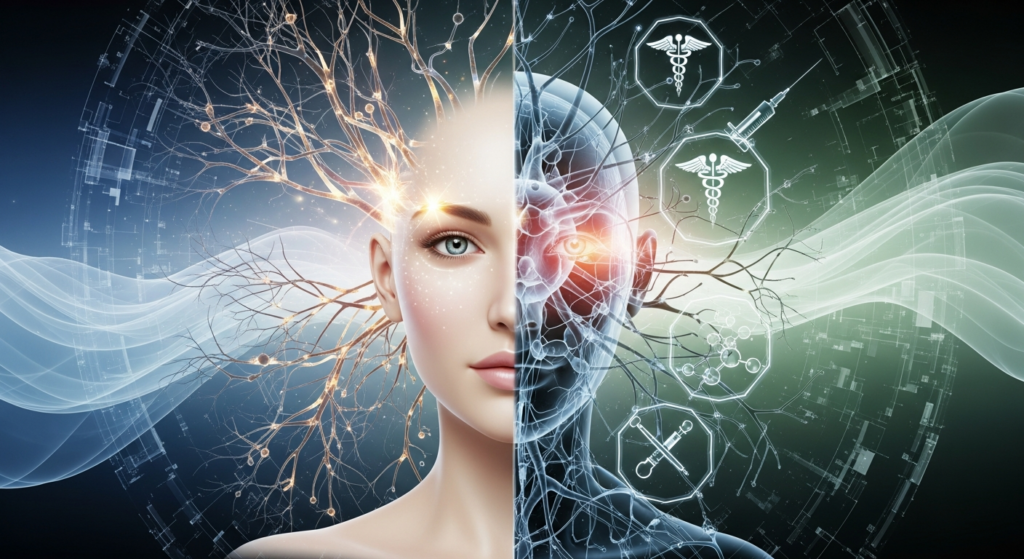
When you get a Botox injection, the substance gets to work at the junction where nerves and muscles meet. Your nerves normally send chemical messages to your facial muscles, telling them to contract when you make expressions like smiling or frowning.
The botulinum toxin works by blocking these messages. Specifically, it stops the release of a neurotransmitter called acetylcholine from the nerve endings. Without this chemical signal, the specific muscles that were injected can no longer contract as forcefully.
This process leads to temporary muscle weakness or relaxation in the treated area. It’s not that the muscle is permanently paralyzed; it’s simply being told to relax for a while. This relaxation is the core of botulinum toxin therapy and the reason it can smooth out wrinkles caused by muscle movement.
The Science Behind Botox Injections
The science behind how Botox works is quite precise. The injections use botulinum toxin type A, a purified protein, to interrupt the communication between your nerves and muscles. This process is key to its effectiveness in both cosmetic and medical applications.
By blocking nerve signals, Botox prevents targeted muscles from contracting. This controlled muscle weakness reduces unwanted facial movements that cause wrinkles to form. Let’s look closer at the mechanism of action and the effects this has on your facial muscles.
Mechanism of Action: Blocking Nerve Signals
The effectiveness of Botox lies in its ability to block nerve signals. When the botulinum neurotoxin is administered, it targets the specific area where muscle activity needs to be reduced.
The drug administration process involves injecting the botulinum toxin into the muscle. Once there, it binds to the nerve endings that communicate with that muscle. It then proceeds to interrupt the normal signaling process.
This interruption prevents the release of acetylcholine, the chemical messenger responsible for muscle contractions. As a result, the muscle is unable to tense up. This mechanism is beneficial for treating conditions like muscle spasms and for cosmetic wrinkle reduction. The process can be broken down into a few key steps:
- Injection into the target muscle.
- The toxin travels to the nerve endings.
- It blocks the release of acetylcholine.
- The muscle relaxes, as it no longer receives the signal to contract.
Immediate and Long-Term Effects on Facial Muscles
Immediately after a Botox injection, you won’t see a dramatic change. Botox’s effects take time to develop as the toxin begins to block nerve signals. Most people start noticing a change, such as smoother skin, around the third or fourth day after treatment.
The short-term effect is a temporary muscle weakness in the treated facial muscles. This relaxation softens the appearance of wrinkles that are caused by facial movements. Over the next 10 to 14 days, the full result will become visible, revealing a smoother, more refreshed look.
In the long term, with repeated treatments, your facial muscles may “train” themselves to contract less. This can lead to longer intervals between sessions. However, the effects of Botox are always temporary. Once the toxin wears off, usually in three to four months, your muscles will regain their ability to move, and wrinkles will reappear if treatments are not continued.
Cosmetic Uses of Botox
Cosmetic Botox is famously used to combat the signs of aging. It is particularly effective on dynamic wrinkles, which are the lines formed by repetitive facial expressions. These include common concerns like frown lines and crow’s feet.
By relaxing the specific muscles that cause these facial wrinkles, Botox can dramatically smooth the skin’s surface for a more youthful appearance. Now, let’s explore the most common areas where Botox is used for wrinkle reduction and what kind of results you can anticipate.
Common Treatment Areas for Wrinkle Reduction
Botox can be used on many different areas of the face to soften wrinkles caused by facial expressions. A skilled provider can pinpoint the exact muscles that need treatment to achieve a natural and refreshed look.
Some of the most popular treatment areas include the lines that form with everyday movements. For example, the vertical glabellar lines between the eyebrows, often called “frown lines,” are a common target. Similarly, the horizontal forehead lines that appear when you raise your eyebrows can be effectively smoothed.
Other frequent treatment zones are aimed at refining your features and softening lines around the eyes and mouth. These areas include:
- Crow’s feet at the outer corners of the eyes.
- Lines on the upper lip, sometimes called “smoker’s lines.”
- Chin dimpling, for a smoother chin texture.
- Neck bands to create a more youthful-looking neck.
- The jawline, to create a more defined contour.
Expected Cosmetic Results and Duration
When you get Botox for cosmetic reasons, the goal is typically to achieve a smoother, more rested appearance. You can expect a significant reduction in the appearance of fine lines and facial wrinkles in the treated areas. For instance, the appearance of crow’s feet can be dramatically softened.
The desired results gradually appear over several days, with the final outcome visible within two weeks. The skin will look smoother, and the treated lines will be much less noticeable when you make facial expressions. It’s about softening, not eliminating, expressions for a natural look.
These beautiful results are temporary. The effects of Botox typically last for about three to four months. To maintain the reduction in the signs of aging, you will need to schedule follow-up treatments. Over time, some people find they can go slightly longer between appointments as their muscles adapt.
Medical Applications of Botox Beyond Aesthetics
While famous for its cosmetic benefits, Botox has been used in the medical field for decades to treat a surprising range of medical conditions. Its ability to relax muscles makes it a valuable therapeutic tool for issues far beyond wrinkles.
From providing relief for chronic migraine sufferers to managing conditions like an overactive bladder, limb spasticity, and cervical dystonia, the drug administration of Botox offers life-changing benefits for many patients. We will look into some of these specific medical uses.
Treating Chronic Migraines, Muscle Spasms, and Other Conditions
Botox is an FDA-approved treatment for several medical conditions that involve muscle overactivity. For individuals with chronic migraine, injections at specific sites around the head and neck can block pain signals, providing significant relief.
Similarly, it’s used to treat various forms of muscle spasms. For example, cervical dystonia, a condition causing painful, involuntary neck muscle contractions, can be managed with targeted Botox injections. The drug administration helps relax the overactive muscles, reducing pain and improving range of motion.
Other medical conditions treated with Botox include overactive bladder, excessive sweating, and certain eye muscle disorders. The injection site and dosage are carefully chosen based on the specific issue being addressed.
| Medical Condition | How Botox Helps |
|---|---|
| Chronic Migraine | Blocks pain transmission signals in nerve endings. |
| Muscle Spasms | Relaxes involuntary muscle contractions. |
| Cervical Dystonia | Reduces neck muscle contractions and relieves pain. |
| Overactive Bladder | Relaxes bladder muscles to reduce urinary urgency. |
| Hyperhidrosis | Blocks nerve signals that activate sweat glands. |
Exploring Other FDA-Approved and Off-Label Uses
Beyond the most common uses, different types of botulinum toxin are approved for a variety of other health conditions. One major application is in treating excessive sweating, also known as hyperhidrosis. When injected into areas like the underarms, the botulinum neurotoxin blocks the nerve signals that stimulate sweat glands.
Another significant FDA-approved use is for urinary incontinence caused by an overactive bladder. Injections into the bladder muscle can help it relax, increasing its storage capacity and reducing episodes of leakage.
Providers may also use Botox for “off-label” purposes, meaning for conditions not officially approved by the FDA but where it has shown to be effective. This can include treating jaw pain from TMJ disorders or certain types of nerve pain. Such uses are based on the provider’s professional judgment and the patient’s specific health conditions.
Safety, Possible Side Effects, and Risk Factors
Botox is generally considered safe when administered by a licensed and experienced professional. However, like any medical procedure, it comes with potential side effects and risk factors. Most side effects are mild and temporary, but it’s important to be aware of them.
Understanding these factors can help you make an informed decision and minimize the chance of unwanted results. It’s crucial to discuss your health history with your provider to see if Botox is right for you and to learn about managing recovery.
Who Should Avoid Botox and What to Know Before Treatment
While Botox is safe for many, it’s not the best option for everyone. Certain risk factors and medical conditions can increase the chance of complications. You should have an open conversation with your healthcare provider about your complete medical history before proceeding.
People who are pregnant or breastfeeding are typically advised to postpone treatment, as the effects on the baby are not fully known. Additionally, individuals with certain neuromuscular diseases, such as myasthenia gravis or Lambert-Eaton syndrome, should avoid Botox as it could worsen their condition.
To ensure your safety, it’s essential to disclose all health information. You should not get Botox if you have:
- A known allergy to botulinum toxin or any of its ingredients.
- An infection at the planned injection site.
- Certain neuromuscular disorders.
- Drooping eyelids (ptosis) or generally weak facial muscles, as it could exacerbate the issue.
Common Side Effects, Recovery, and Aftercare Advice
After a Botox treatment, most people can resume their normal activities right away, but following some simple aftercare advice can help minimize common side effects. The recovery period is typically very short, with most minor issues resolving within a day or two.
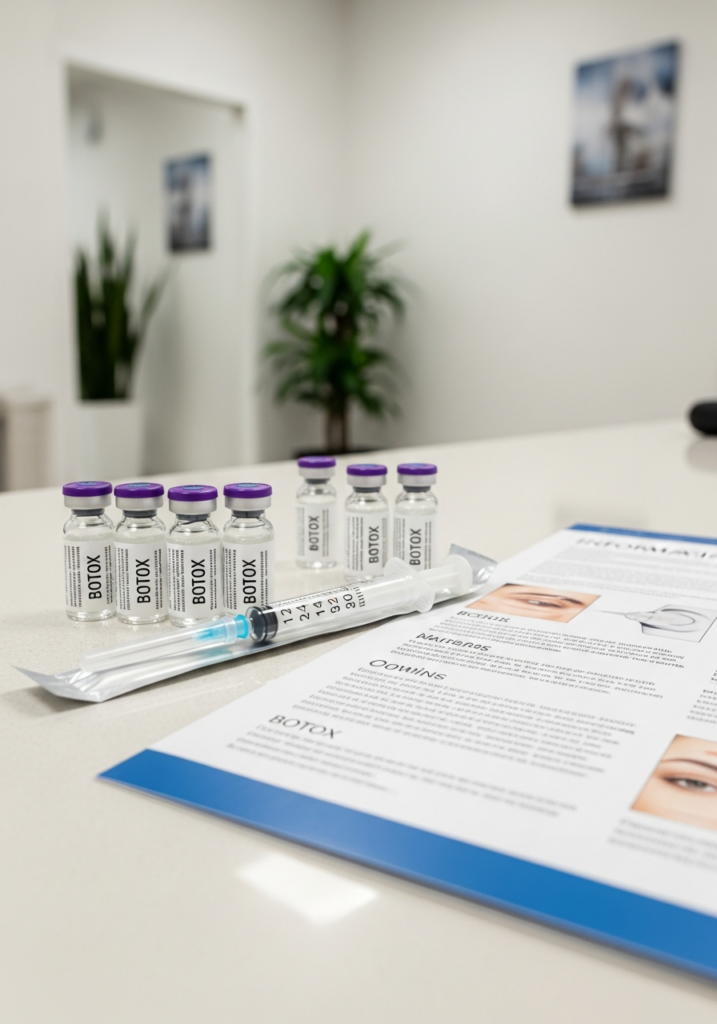
Some common side effects you might experience are usually mild and centered around the injection site. These can include temporary pain, swelling, redness, or bruising. A small number of people may also experience a headache or flu-like symptoms, which generally pass quickly. Unwanted results like temporary eyelid drooping are rare but possible.
To ensure a smooth recovery and the best outcome, your provider will give you specific aftercare advice. This usually includes:
- Avoiding rubbing or putting pressure on the treated area for about 12 hours.
- Staying upright for three to four hours after the injections.
- Refraining from strenuous physical activity for 24 hours.
- Not drinking alcohol for 24 hours before the procedure to reduce bruising risk.
Botox Treatment: What to Expect During the Process
If you’re considering a Botox treatment, knowing what to expect can ease any nerves. The process is quick, straightforward, and typically performed in a clinic by a qualified professional like a dermatologist or plastic surgeon.
The procedure involves a series of small botox injections, and the drug administration is carefully planned to target specific muscles. Let’s walk through the procedure step-by-step and address common concerns about discomfort.
The Botox Injection Procedure Step by Step
The Botox injection procedure is an outpatient treatment, meaning you can go home the same day. It’s a quick process, often completed in just a few minutes.
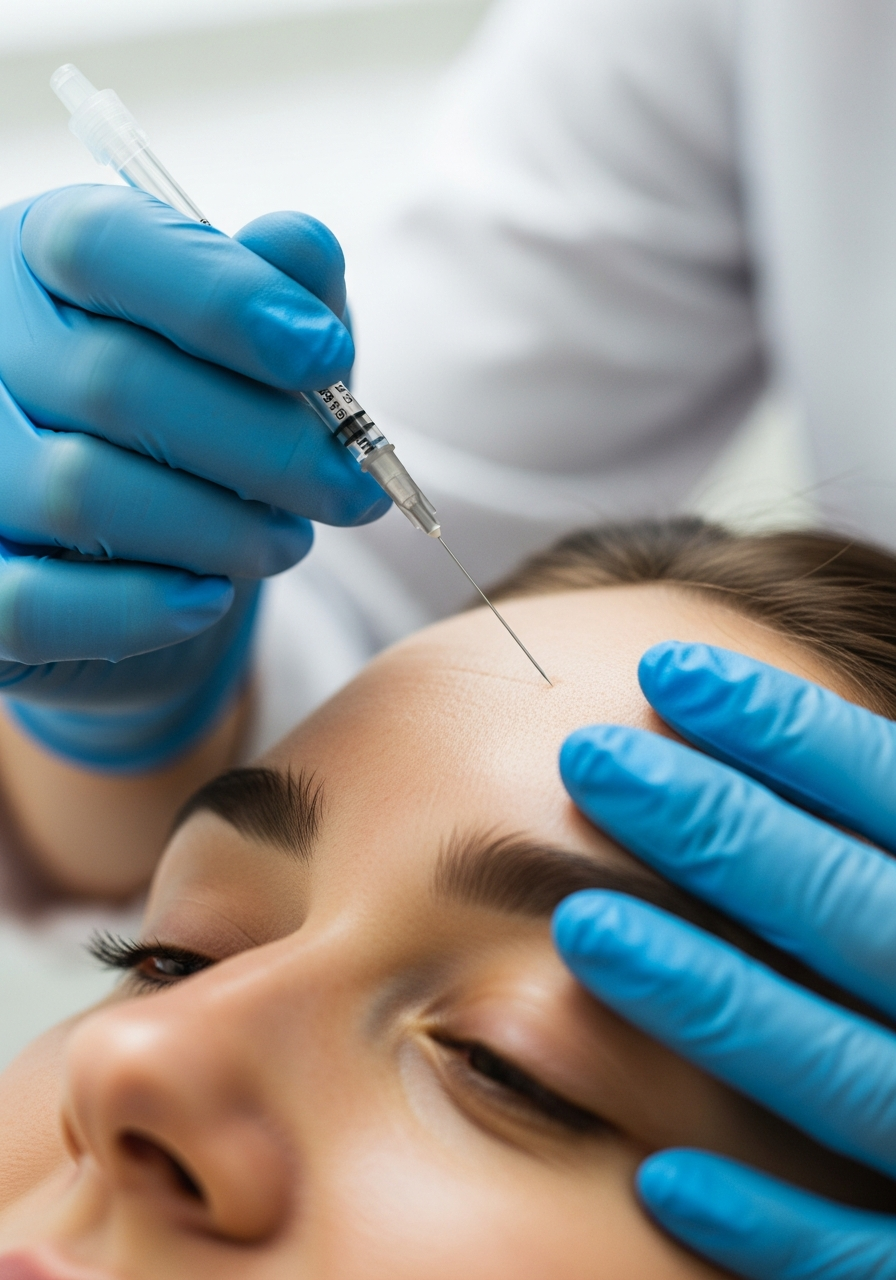
Your healthcare provider will start by cleansing the treatment area and may mark the specific injection sites. They will use a very fine needle to administer small amounts of Botox into the targeted muscles. The number of injections you receive will depend on the area being treated and your desired results.
The entire drug administration process is precise and controlled. Here’s a simple breakdown of what to expect:
- A consultation to discuss your goals.
- Cleansing of the treatment area.
- Your provider may apply a topical numbing agent if you’re concerned about pain.
- A series of quick injections into the specified muscles.
- Receiving aftercare instructions from your healthcare provider.
Is Botox Painful? Addressing Common Discomfort Concerns
A common question is whether Botox injections hurt. For most people, the discomfort is minimal and very brief. The needles used for Botox are extremely small and fine, so the sensation is often described as a slight pinch or a quick sting at the injection site.
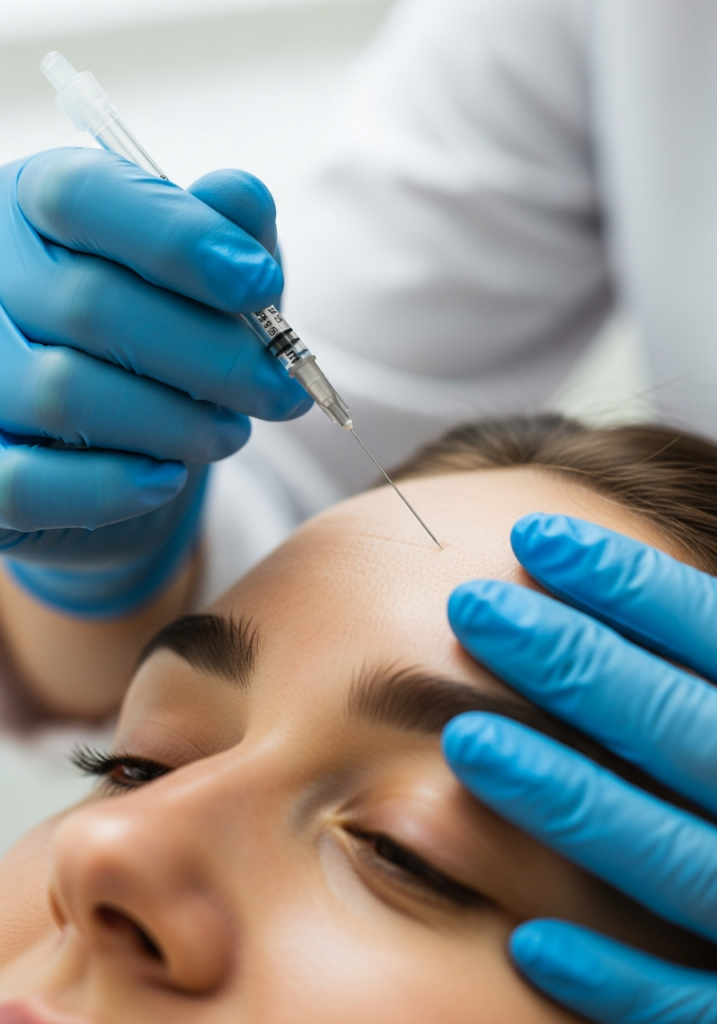
The entire procedure is over very quickly, which helps limit any potential pain. Any discomfort you feel is usually mild and lasts for only a moment during the injection itself. After the procedure, it’s rare to have lingering pain in the facial muscles.
If you are particularly worried about discomfort, be sure to discuss it with your healthcare provider beforehand. They can apply a topical numbing cream or a cold pack to the injection site before the treatment to make the experience as comfortable as possible for you.
Frequently Asked Questions (FAQ)
Curious about Botox? It’s common to wonder how these botulinum toxin injections work and what to expect. Many ask about the safety of Botox treatments, including possible side effects like allergic reactions or unwanted results. Others are interested in its versatility, from reducing fine lines and crow’s feet to alleviating medical conditions such as overactive bladder and chronic migraines. Engaging with a qualified healthcare provider can help clarify any questions and ensure that Botox aligns with your aesthetic goals and health needs.
What does Botox actually do?
You won’t see Botox’s effects immediately after your injections. Most people begin to notice a smoothing of facial wrinkles within three to four days. The full, desired results are typically visible within 10 to 14 days, revealing a more refreshed and youthful appearance.
Are There Any Misconceptions About What Botox Actually Does?
Yes, a common misconception is that Botox freezes your face. When done correctly, Botox should soften facial movements, not eliminate them. It works by relaxing specific muscles to reduce wrinkles while still allowing you to show natural facial expressions. The goal is to look refreshed, not “frozen.”
Can Botox Be Used for Non-Cosmetic Health Issues?
Absolutely. Botulinum toxin therapy is widely used for many medical conditions. Botulinum toxin type A is FDA-approved to treat issues like chronic migraine, severe muscle spasms, excessive sweating, and overactive bladder, providing significant relief for many patients beyond its cosmetic applications.
Conclusion
In conclusion, understanding Botox and its multifaceted applications can empower you to make informed decisions about your beauty and health. From its cosmetic benefits in reducing wrinkles to its medical uses for conditions like chronic migraines, Botox offers a range of solutions that can enhance your quality of life. However, it’s essential to consider safety, potential side effects, and what to expect during the treatment process. As you contemplate whether Botox is right for you, remember to consult with a qualified professional who can guide you through the options. If you’re ready to explore how Botox can benefit you, don’t hesitate to reach out for a free consultation today!
https://pubmed.ncbi.nlm.nih.gov
https://pubmed.ncbi.nlm.nih.gov/15907915
https://pubmed.ncbi.nlm.nih.gov/33776040
https://www.ncbi.nlm.nih.gov/pubmed/41933889
https://api.semanticscholar.org/CorpusID:46981635
https://api.semanticscholar.org/CorpusID:2855356
https://api.semanticscholar.org/CorpusID:27341687
https://www.fda.gov/drugs/drug-approvals-and-databases/drug-trials-snapshot-daxxify