

Mounjaro Pros and Cons: How It Affects Your Health

Key Highlights
- Mounjaro is primarily a prescription drug for managing blood sugar in adults and children with type 2 diabetes.
- While not officially a weight loss drug, many users experience significant weight reduction as a side effect.
- Common Mounjaro side effects include nausea, diarrhea, and decreased appetite, which are often mild.
- Serious risks are possible, such as pancreatitis, gallbladder issues, and a potential risk of thyroid tumors, requiring medical attention.
- It works by activating two hormone receptors that help control blood sugar and can make you feel fuller for longer.
- Always discuss your medical history with a healthcare professional before starting Mounjaro.
Are you exploring options to improve blood sugar control or lose weight? Mounjaro has become a popular topic of conversation for its dual benefits. While officially approved to help manage type 2 diabetes, its effects on weight have caught many people’s attention. But like any medication, it has both advantages and disadvantages. This guide will walk you through the pros and cons of Mounjaro, helping you understand how it works and what to expect. Consulting a healthcare professional is always the best first step to see if it’s right for you.
Understanding Mounjaro: Purpose and Mechanism
Mounjaro is a brand-name prescription drug with the active ingredient tirzepatide. It’s primarily used to improve blood sugar levels in people with type 2 diabetes, alongside diet and exercise. Although weight management is a common result of using it, Mounjaro is not officially approved by the FDA as a weight loss medication.
This injectable medication works in a unique way to support your body. To fully grasp its benefits and risks, it helps to understand who it’s designed for and the specific ways it functions once administered.
What Is Mounjaro and Who Is It For?
Mounjaro is a brand-name medication prescribed to adults and children aged 10 and older to help manage type 2 diabetes. It is administered as a weekly injection and is intended to be part of a comprehensive treatment plan that includes a healthy diet and regular physical activity. There is currently no generic version available.
The specific uses for Mounjaro treatment are centered on glycemic control. It is not suitable for everyone, however. Your healthcare provider will review your health history and any existing medical conditions before prescribing it. For example, people with a personal or family history of medullary thyroid carcinoma (MTC) or Multiple Endocrine Neoplasia syndrome type 2 (MEN 2) should not use Mounjaro.
Before starting, it’s crucial to have an open conversation with your doctor. They can determine if this medication aligns with your health needs and rule out any potential contraindications that could make it unsafe for you.
How Mounjaro Works in the Body
The active ingredient in Mounjaro, tirzepatide, is a dual GIP and GLP-1 receptor agonist. This means it activates two different gut hormone receptors that play a key role in regulating blood sugar. When blood sugar is high, it helps your pancreas release more insulin.
This mechanism also helps lower blood sugar levels by reducing sugar production in your liver. Another significant effect is that it slows down how quickly food empties from your stomach. This process can make you feel full for a longer period, which often leads to a decreased appetite and, subsequently, weight loss.
Your doctor will start you on a low dose of Mounjaro and may gradually increase it based on your body’s response and blood tests. This careful approach to drug administration helps your body adjust to the medication while minimizing potential side effects.
Evaluating the Pros of Mounjaro
When considering Mounjaro, its potential health benefits are a major draw for many people. Clinical trials have highlighted its effectiveness in both blood sugar management and significant weight reduction. When combined with a balanced diet and exercise, this medication can offer a powerful tool for improving overall health.
The positive outcomes seen in studies point to two main advantages: its impressive impact on weight and its ability to help those with type 2 diabetes gain better control over their blood sugar. Let’s look at these pros more closely.
Weight Loss Benefits of Mounjaro
One of the most talked-about benefits of Mounjaro is its significant impact on weight loss. Although it is not an FDA-approved drug for chronic weight management, clinical trials have shown that users can experience substantial weight reduction. This happens because the medication slows digestion, which helps you feel full longer and naturally decreases your appetite.
This effect on appetite and fullness is a key reason why Mounjaro aids in weight loss. By helping to reduce overall calorie intake, it supports your efforts to shed pounds. Achieving a healthier weight can also lead to other positive health outcomes, such as improved blood pressure.
The results from clinical studies are compelling. For instance, the SURMOUNT-5 trial showed that users of tirzepatide (Mounjaro’s active ingredient) achieved greater relative weight loss compared to those on semaglutide, another popular medication. This makes it a promising option for individuals looking to manage both their weight and diabetes.
Impact on Blood Sugar Management for Type 2 Diabetes
For individuals with type 2 diabetes, Mounjaro offers a powerful way to achieve better blood sugar control. Its primary purpose is to lower blood sugar, and it accomplishes this through a multi-faceted approach. The medication enhances your body’s ability to release insulin when your blood sugar levels are high.
At the same time, Mounjaro works to reduce the amount of sugar your liver produces. This dual action provides a robust defense against high blood sugar, helping to stabilize your levels throughout the day. It’s an effective tool for managing the complexities of type 2 diabetes.
Real-world data have confirmed that Mounjaro is highly effective. The SURPASS-2 trial demonstrated that it reduced HbA1c levels more significantly than semaglutide. If you have type 2 diabetes, it’s important to discuss with your healthcare provider how Mounjaro could fit into your treatment plan to help you meet your blood sugar goals.
Key Cons and Side Effects of Mounjaro
While Mounjaro has many benefits, it’s also important to be aware of its potential side effects. Like any medication, it carries a risk of adverse effects, ranging from mild and manageable to more serious issues. Understanding these cons is a crucial step in making an informed decision with your healthcare professional.
Your personal medical history can influence your risk of experiencing certain side effects. We’ll explore the most common issues people face as well as the more serious risks you should discuss with your doctor.
Most Common Side Effects Experienced
When starting Mounjaro, some people may experience mild side effects, which are often temporary. The most common side effects are typically digestive in nature, as your body adjusts to the medication. These issues usually subside within a few days or weeks.
In clinical studies, at least 5% of participants reported these common side effects. While generally manageable, you should talk to your doctor if they persist or become bothersome. Some of the most frequently reported issues include:
- Nausea
- Diarrhea
- Decreased appetite
- Vomiting and constipation
- Indigestion or abdominal pain
These digestive side effects are the ones you’re most likely to encounter. Staying hydrated and eating smaller meals may help manage symptoms like nausea. However, it’s always best to keep your healthcare provider informed about how you’re feeling.
Serious Risks and Considerations
Beyond the common issues, Mounjaro carries a risk of serious side effects that require immediate medical attention. One of the most significant is a boxed warning from the FDA regarding thyroid cancer. Animal studies showed an increased risk of thyroid tumors, including medullary thyroid cancer (MTC). It’s unknown if this risk applies to humans, but people with a family history of MTC or MEN 2 syndrome should not use Mounjaro.
Other serious risks have been reported, though they are not common. It is crucial to be aware of the symptoms and seek help if they occur. These risks include:
- Pancreatitis (inflammation of the pancreas), with symptoms like severe abdominal pain.
- Gallbladder problems, which can cause fever and pain in your upper stomach.
- Kidney problems, often resulting from dehydration due to severe nausea and diarrhea.
There is also a risk of low blood sugar (hypoglycemia), especially if you use Mounjaro with other diabetes medications like insulin. Using this drug unnecessarily without medical supervision can expose you to these dangers, so it should only be taken as prescribed. If you experience severe symptoms, treat it as a medical emergency.
Comparing Mounjaro to Other Weight Loss Medications
When exploring options for weight management or controlling blood sugar levels, you’ll likely come across other prescription drugs. Mounjaro is often compared to medications like semaglutide, which is sold under brand names such as Ozempic and Wegovy. Understanding the differences in their drug information can help you have a more productive conversation with your doctor.
Each medication has a unique profile of benefits and drawbacks. Let’s compare Mounjaro to some of its alternatives to see how it stands out.
Mounjaro vs. Semaglutide and Other Alternatives
Mounjaro’s main competitor is semaglutide, the active ingredient in alternative drugs like Ozempic and Wegovy. While both are effective for weight loss and managing blood sugar, clinical trials suggest Mounjaro may have an edge. Its dual-action mechanism targets two receptors (GIP and GLP-1), whereas semaglutide only targets GLP-1.
This difference appears to translate into better results. The SURPASS-2 trial found that tirzepatide (Mounjaro) led to a greater reduction in HbA1c than semaglutide. Similarly, the SURMOUNT-5 trial showed Mounjaro users achieved more significant weight loss.
Here is a simple comparison based on clinical findings:
| Feature | Mounjaro (Tirzepatide) | Semaglutide (Ozempic/Wegovy) |
|---|---|---|
| Mechanism | Dual GIP/GLP-1 agonist | GLP-1 agonist |
| HbA1c Reduction | Up to -2.30% | Up to -1.86% |
| Weight Loss | Higher relative weight loss | Significant, but less than Mounjaro in head-to-head trials |
This data highlights why Mounjaro is considered a very strong option in its class, though your doctor will help decide the best fit for you.
Unique Pros and Cons Versus Other Drugs
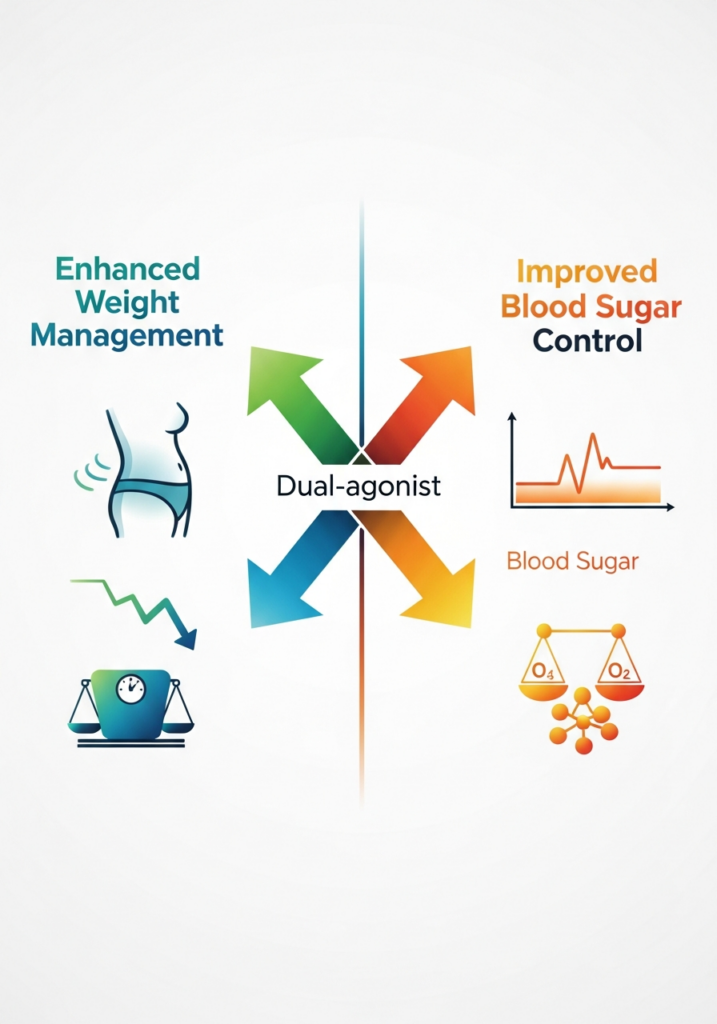
Mounjaro’s primary unique advantage is its dual-agonist mechanism, which often leads to superior results in both weight management and blood sugar control compared to single-agonist alternative options like semaglutide. For many patients, this potency is the deciding factor.
However, this doesn’t mean it’s without its own set of considerations. The side effect profiles are largely similar across these GLP-1-based drugs, with digestive issues being common. There are no widely reported unique side effects exclusive to Mounjaro, but the intensity or frequency of common side effects can vary from person to person.
Ultimately, the choice between Mounjaro and another drug depends on individual factors. While Mounjaro may offer greater efficacy, another medication might be better tolerated by some. It’s essential to discuss all options and potential serious side effects with your provider to determine which treatment plan requires the least medical attention for you.
Long-Term Health Impacts of Using Mounjaro
If you’re considering Mounjaro for long-term use, it’s natural to wonder about its sustained effects on your health. Continuing the medication can offer lasting benefits for weight management and blood sugar control, but it also comes with potential long-term risks that require ongoing monitoring.
To make an informed decision, it’s helpful to weigh the potential rewards against the risks. Regular follow-ups and blood tests with your healthcare provider will be essential to track your progress and watch for any developing issues.
Potential Benefits from Prolonged Use
Using Mounjaro over a long period can lead to sustained and significant health improvements. For those focused on chronic weight management, continued use helps maintain weight reduction and prevents regaining the pounds you’ve lost. This consistency is key to achieving long-term success.
Beyond weight, the benefits for managing blood sugar levels are profound. Prolonged use helps keep your A1c in a healthy range, reducing the long-term complications associated with type 2 diabetes. This can lead to a notable improvement in your overall health and quality of life.
Additionally, maintaining a lower weight often brings other positive changes, such as better blood pressure and cholesterol levels. Studies have also shown that tirzepatide can reduce the predicted 10-year risk of cardiovascular events, suggesting that long-term use may contribute to better heart health.
Possible Long-Term Risks and Monitoring
While the long-term benefits are promising, staying on Mounjaro also involves monitoring for potential long-term risks. The boxed warning for thyroid cancer remains a key consideration. Your doctor may recommend periodic blood tests or thyroid ultrasounds to screen for any changes, especially if you have risk factors.
Other serious issues, though uncommon, can develop over time. Persistent digestive side effects like severe diarrhea could lead to dehydration and contribute to kidney problems. Gallbladder problems have also been reported in some users during clinical trials, so it’s important to be aware of the symptoms.
Because of these potential risks, ongoing communication with your healthcare provider is crucial. Regular check-ups allow your doctor to monitor your health, order necessary blood tests, and adjust your treatment plan as needed. This proactive approach helps manage the long-term risks while you continue to benefit from the medication.
Conclusion
In summary, understanding the pros and cons of Mounjaro is essential for making informed health decisions. While it offers significant benefits like weight loss and improved blood sugar management, it’s crucial to be aware of potential side effects and long-term health impacts. Each individual’s experience may vary, and what works for one person may not work for another. Always consult with your healthcare provider to assess whether Mounjaro is the right choice for you. If you have more questions about Mounjaro or need personalized advice, don’t hesitate to reach out for a free consultation. Your health journey is important, and being well-informed will help you make the best choices for your well-being.
Frequently Asked Questions
Is Mounjaro safe for most people, and what should I ask my doctor before starting?
Mounjaro is generally considered safe when prescribed appropriately. Before starting, ask your healthcare provider about the correct dose of Mounjaro for you, potential side effects, and how it might interact with your existing medical conditions. Discussing your full health history is essential to ensure its safety and effectiveness for your situation.
Can Mounjaro affect mental health or mood?
While changes in mood or mental health are not listed as common side effects of Mounjaro, some people report feeling anxiety or irritability, which can be symptoms of low blood sugar. If you notice any changes in your mood, discuss them with a healthcare professional to determine the cause and appropriate medical treatment.
What factors should I consider before using Mounjaro for weight loss?
Before using Mounjaro for weight loss, consider your complete medical history, including any history of thyroid cancer in a family member. Remember that it works best with a balanced diet and exercise. Always consult a healthcare professional to ensure it is a safe and appropriate choice for your specific needs.
https://www.medicalnewstoday.com/articles/acute-kidney-injury
https://www.medicalnewstoday.com/articles/types-of-injections#side-effects