


Effective Drugs to Relief Allergies: Your Complete Guide

Key Highlights
- Allergy medications, including oral antihistamines and nasal spray options, provide effective allergy relief for common allergy symptoms.
- Over-the-counter drugs can manage mild to moderate symptoms, while prescription allergy medications are available for more severe cases.
- Antihistamines block the body’s histamine response, reducing sneezing, itching, and a runny nose.
- Decongestants help clear nasal congestion but should be used for a short duration to avoid rebound effects.
- Corticosteroid nasal sprays are highly effective for nasal symptoms and are a primary treatment for allergic rhinitis.
- It’s important to be aware of potential side effects and consult a healthcare provider to choose the right medication for you.
Introduction
Are you tired of dealing with sneezing, itching, and congestion? Finding the right allergy medications can make a world of difference in your daily life. Whether your allergy symptoms are seasonal or year-round, there are numerous options available to provide allergy relief. This guide will walk you through the different types of drugs, from over-the-counter remedies to prescription treatments, helping you understand how they work and which one might be best for your specific needs. Let’s explore the path to breathing easier and feeling better.
Understanding Allergies and How They Affect the Body
An allergy is essentially your immune system overreacting to a substance that is normally harmless. When you encounter an allergen, like pollen or dust, your body triggers an allergic reaction, releasing chemicals that cause those familiar and frustrating symptoms. Conditions like hay fever, also known as allergic rhinitis, are common results of this immune response.
Understanding this process is the first step toward finding effective relief. Allergy medications are designed to interrupt this reaction, either by preventing it from starting or by managing the symptoms after they appear. This helps restore comfort and allows you to go about your day without constant disruption.
Causes and Types of Allergic Reactions
For allergy sufferers, the immune system mistakenly identifies harmless substances as threats. This triggers the release of chemicals that cause allergic reactions. These triggers, or allergens, are everywhere and vary from person to person.
Common allergens that cause issues like allergic rhinitis include:
- Pollen from trees, grasses, and weeds, leading to seasonal allergies or pollen allergies.
- Indoor allergens like dust mites, mold, animal dander, and pet dander.
- Certain foods, which can cause food allergies ranging from mild to severe.
- Insect stings from bees or other stinging insects.
Depending on the trigger, your reaction could be seasonal, flaring up only during certain times of the year, or perennial, affecting you year-round. Identifying your specific allergens is key to managing your symptoms effectively. For many common allergies, over-the-counter drugs like antihistamines and nasal sprays are highly effective for providing relief.
Common Allergy Symptoms
Allergy symptoms can manifest in many ways, often affecting your respiratory system, eyes, and skin. The specific symptoms you experience can help you and your doctor choose the best course of treatment. Nasal allergy symptoms are particularly common and can significantly impact your quality of life.
Some of the most frequent seasonal allergy symptoms include:
- A runny nose and nasal congestion.
- Sneezing, an itchy nose, and an itchy throat.
- Itchy, watery eyes, and redness.
- Skin allergies that may appear as rashes or hives.
Recognizing these signs is the first step toward finding relief. For instance, if you mainly have a runny nose and itchy eyes, an antihistamine might be sufficient. However, if nasal congestion is your primary complaint, a decongestant or a corticosteroid nasal spray may be more appropriate. Matching the medication to your symptoms is crucial for effective treatment.
OTC Allergy Medicines for Fast Relief
When allergy symptoms strike, you often need relief quickly. Fortunately, many effective allergy medicines are available over-the-counter (OTC) without a prescription. These products, including oral antihistamines, nasal decongestants, and various types of nasal spray, are designed to tackle the most common allergy complaints.
Choosing the right OTC option depends on your specific symptoms. Some products are formulated to target sneezing and itching, while others are better for clearing up a stuffy nose. The following sections will provide more detail on these popular OTC choices to help you make an informed decision.
Antihistamines: How They Work
Antihistamines are a go-to choice for allergy relief because they directly counter the effects of histamine. Histamine is a chemical your body releases during an allergic reaction, and it’s responsible for many classic allergy symptoms like sneezing, itching, and a runny nose. By blocking histamine, these allergy medications help stop these symptoms in their tracks.
You can find antihistamines in several forms, but oral antihistamines are among the most common. When looking at different products, you’ll see various active ingredient options. Popular choices include:
- Cetirizine (Zyrtec)
- Loratadine (Claritin)
- Fexofenadine (Allegra)
- Levocetirizine (Xyzal)
These newer-generation antihistamines are often preferred because they are less likely to cause drowsiness compared to older options like diphenhydramine (Benadryl). For general allergy symptoms, antihistamines are highly effective and work quickly, making them a cornerstone of allergy treatment compared to other drugs that may target only specific symptoms like congestion.
Decongestants: When to Use Them
If your main allergy complaint is nasal congestion, decongestants might be the solution you need. These medications work by narrowing the blood vessels in your nasal passages. This action reduces swelling and inflammation, helping to clear up that stuffy feeling and allowing you to breathe more easily.
Decongestants are available in two primary forms: oral pills and nasal decongestants (sprays). Oral options, like those containing pseudoephedrine, offer systemic relief. In contrast, nasal sprays like oxymetazoline provide targeted, rapid relief directly to the nose. It’s important to know that some oral decongestants, such as those with the active ingredient phenylephrine (like Sudafed PE), have been found by an FDA panel to be ineffective when taken by mouth.
Be mindful when using these products.
- Nasal sprays should not be used for more than three days to avoid a “rebound” effect where congestion worsens.
- Oral decongestants can raise blood pressure.
- People with high blood pressure, heart disease, or certain other medical conditions should consult a doctor before use.
Corticosteroid Nasal Sprays: Benefits and Uses
For persistent nasal symptoms, corticosteroid nasal sprays are often considered the most effective treatment. These sprays reduce inflammation in the nose, providing powerful allergy relief from congestion, sneezing, and a runny nose associated with allergic rhinitis. Unlike decongestant sprays, nasal corticosteroids are safe for daily, long-term use and can help manage both seasonal and year-round allergies.
The primary benefit of these sprays is their ability to address a wide range of nasal symptoms. They are a first-line defense for many people, especially during peak allergy season. Many options are available over-the-counter, making them easily accessible.
Here are some common OTC corticosteroid nasal sprays:
| Brand Name | Generic Name |
|---|---|
| Flonase | Fluticasone propionate |
| Nasacort | Triamcinolone acetonide |
| Rhinocort | Budesonide |
These medications work best when used consistently and can take a few days to reach their full effect. They are an excellent choice for anyone seeking sustained relief from troublesome nasal allergy issues.
Prescription Allergy Medications for Severe Cases
When over-the-counter options don’t provide enough relief for your severe symptoms, it’s time to talk to a healthcare provider. Prescription allergy medications offer stronger, more targeted treatments for those with significant allergies or underlying health conditions. These can range from more potent oral medications to specialized treatments like allergy shots.
Your doctor can assess your specific situation and recommend a prescription that is safe and effective for you. Let’s look at some of the common prescription options available for tackling even the most stubborn allergy symptoms.
Oral Prescription Options
For severe or persistent allergies, your doctor may prescribe stronger oral medications than what’s available over the counter. These can include more potent oral antihistamines or other classes of drugs designed to control the immune response. Some are even available as chewable tablets, making them easier for children or adults who have trouble swallowing pills.
One such class of prescription medication is leukotriene modifiers. These drugs block the action of leukotrienes, which are chemicals involved in allergic reactions.
- Montelukast (Singulair): This medication helps manage both allergic rhinitis and asthma symptoms. However, it comes with an FDA black box warning for potential serious mental health side effects, so discuss the risks with your doctor.
- Zafirlukast (Accolate): Another leukotriene blocker that helps control allergy and asthma symptoms.
Other options include nasal sprays containing cromolyn sodium, which stabilizes mast cells to prevent the release of histamine. Though available OTC, consistent use is key, and a doctor can guide proper administration.
Injectable Allergy Medications
For those who don’t find relief with oral or nasal medications, injectable medications offer another powerful set of treatment options. These treatments are administered by a healthcare professional and can provide long-term relief by fundamentally changing how your immune system responds to allergens.
The most well-known injectable treatment is immunotherapy, commonly known as allergy shots. This involves receiving regular injections of a tiny amount of an allergen, with the dose gradually increasing over time. This process helps your body build tolerance, reducing the severity of your allergic reactions. Allergy shots are particularly effective for allergic rhinitis caused by pollen, dust, and pets.
Other advanced injectable medications include:
- Biologics: Drugs like Omalizumab (Xolair) are designed to target specific molecules in the immune system involved in allergic reactions. They are used for moderate to severe allergic asthma and other conditions.
- Epinephrine: This life-saving injectable medication (e.g., EpiPen) is for emergency treatment of severe allergic reactions known as anaphylaxis.
Choosing the Right Allergy Drug Based on Your Symptoms
Finding the most effective allergy relief starts with matching the right allergy medications to your specific needs. Your primary allergy symptoms—whether it’s a runny nose, congestion, or itchy eyes—will guide you toward the best choice. For example, an antihistamine is great for sneezing, while a decongestant is better for a stuffy nose.
Ultimately, the best approach is to consider your unique situation. If your symptoms are persistent or severe, or if you’re unsure which product to choose, consulting a healthcare provider is always a good idea. They can help you navigate the options and create a personalized treatment plan.
Medications for Seasonal Allergies (Spring, Summer, Fall)
Seasonal allergies, often called hay fever, flare up during specific times of the year when allergens like pollen are at their peak. Whether it’s tree pollen in the spring, grass in the summer, or ragweed in the fall, managing these allergies often requires a proactive approach. The best medication for you doesn’t necessarily change with the season, but your strategy might.
For many, starting allergy medications a few weeks before the allergy season begins can provide the best results. This allows the medicine to be fully effective by the time the pollen count starts to rise. Consistent use throughout the season is key to keeping symptoms under control.
Effective options for seasonal allergies include:
- Long-acting, non-drowsy antihistamines: These are great for daily use to control sneezing, itching, and a runny nose.
- Corticosteroid nasal sprays: Highly effective for nasal congestion and other hay fever symptoms.
- Antihistamine nasal sprays: Astepro is an OTC option for targeted relief.
Drugs for Year-Round (Perennial) Allergies
Unlike seasonal allergies, perennial allergies bother you all year long. These are typically triggered by indoor allergens such as dust mites, mold, and pet dander. Since exposure to these triggers is constant, a consistent and long-term treatment plan is essential for managing your symptoms effectively.
Many of the same medications used for seasonal allergies are also effective for perennial allergies. The key difference is that you’ll likely need to take them on a daily basis to maintain control. Nasal steroids (corticosteroid nasal sprays) are often the first choice for year-round nasal symptoms because they are safe and effective for long-term use.
Commonly recommended treatments for perennial allergies include:
- Nasal steroids: These reduce inflammation and are a cornerstone of treatment for persistent nasal symptoms.
- Non-drowsy antihistamines: Taken daily, they can help control sneezing, itching, and other histamine-related symptoms.
- Allergy shots (immunotherapy): For severe cases, immunotherapy can help desensitize your body to specific allergens like dust mites over time.
Safety, Side Effects, and Non-Drowsy Options
While allergy medications are generally safe, it’s important to be aware of potential side effects. Common issues like drowsiness or dry mouth can occur with some products. For older adults or individuals with existing health problems like heart disease, certain medications may pose additional risks, making it crucial to choose carefully.
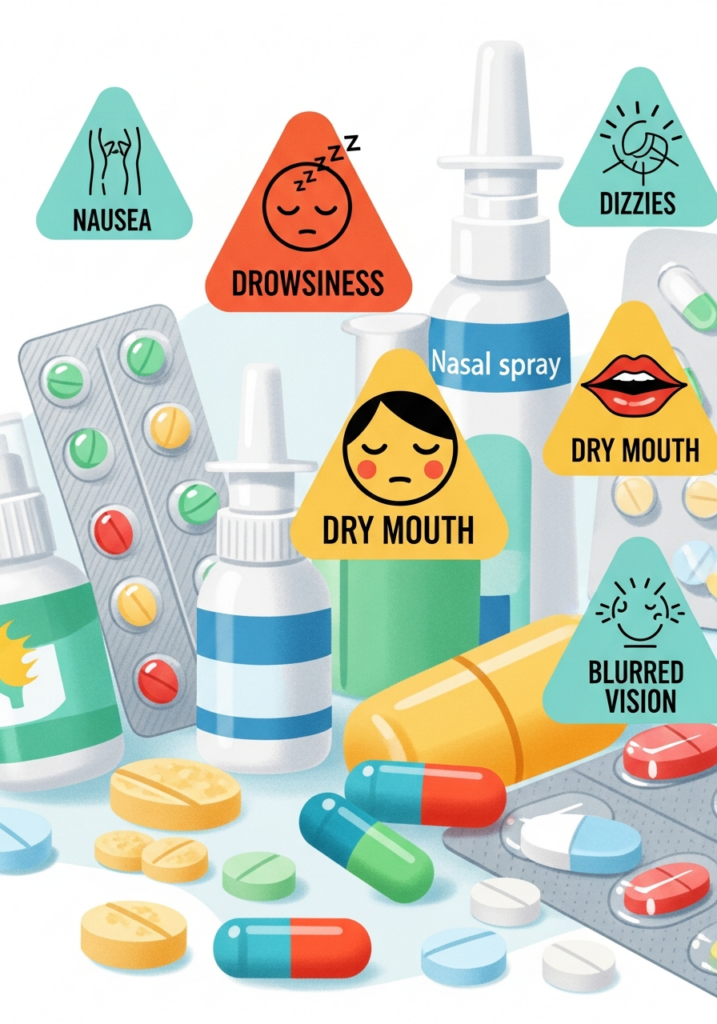
Fortunately, many non-drowsy options are available, and understanding the side effects can help you select a medication that fits your lifestyle. Always read the label and consult with a pharmacist or doctor if you have concerns about how a medication might affect you.
Common Side Effects of Allergy Relief Drugs
Every medication carries the risk of side effects, and allergy drugs are no exception. While most are mild, it’s good to know what to expect. The potential side effects often depend on the type of medication you’re taking. For example, older, first-generation antihistamines are well-known for causing drowsiness.
Decongestants can also cause issues, particularly for people with certain health problems. They can increase heart rate and blood pressure, so individuals with high blood pressure or heart conditions should use them with caution. For older adults, some antihistamines have been linked to an increased risk of dementia with long-term use.
Common side effects across different allergy medications include:
- Drowsiness or fatigue
- Dry mouth, eyes, and nose
- Headaches
- Nasal irritation or nosebleeds (with some nasal sprays)
Always review the product information and speak with your healthcare provider if you have concerns about how a medication might interact with your health.
Non-Drowsy Alternatives and Using Medications with Other Treatments
If you need to stay alert and focused, you’ll be glad to know there are many effective non-drowsy alternatives for allergy relief. Newer-generation antihistamines are specifically designed to minimize drowsiness, making them an excellent choice for daily use during work or school. These are often labeled as “non-drowsy” on the packaging.

Combining different types of allergy treatments can also provide more comprehensive relief. For instance, you might use a non-drowsy antihistamine for overall symptoms and add a corticosteroid nasal spray for persistent congestion. Proper drug administration is key, so always follow the directions for each product.
Here are some popular non-drowsy options and complementary treatments:
- Non-drowsy antihistamines: Loratadine (Claritin), Fexofenadine (Allegra), and Desloratadine (Clarinex).
- Pairing medications: Using an antihistamine with a nasal steroid is a common and effective strategy.
- Nasal rinses: A saline rinse can help clear allergens from your nasal passages before using medicated sprays.
- Immunotherapy: Allergy shots or tablets can be used alongside daily medications for long-term benefits.
Conclusion
In conclusion, understanding the various options for allergy relief is essential for managing your symptoms effectively. From over-the-counter antihistamines to prescription medications, there are numerous alternatives that suit different types of allergies and individual needs. Remember to consider factors such as safety and potential side effects when choosing the right medication for you. With the right information and a tailored approach, you can find relief from allergy symptoms and improve your quality of life. If you’d like personalized guidance in selecting the best allergy medication, don’t hesitate to reach out and get a free consultation.
https://www.ncbi.nlm.nih.gov/books/NBK538186
https://medlineplus.gov/druginfo/meds/a601044.html
https://medlineplus.gov/druginfo/meds/a682539.html
https://medlineplus.gov/druginfo/meds/a697035.html