


Understanding What to Know About Hantavirus Pulmonary Syndrome

Key Highlights
- Hantavirus pulmonary syndrome (HPS) is a rare but serious viral illness spread through contact with infected rodents.
- The primary risk of exposure comes from inhaling airborne particles from rodent droppings, urine, or saliva.
- Early symptoms often mimic the flu, including fever, fatigue, and muscle aches, but can quickly worsen.
- As the pulmonary syndrome progresses, it can cause severe breathing difficulties requiring hospitalization.
- There is no specific cure, but supportive care in an intensive care unit significantly improves outcomes.
- Prevention focuses on minimizing contact with rodents and safely cleaning up infestations.
Introduction
Have you ever heard of hantavirus pulmonary syndrome? It’s one of the less common viral illnesses, but it’s important to be aware of. This condition is a severe respiratory disease that people can get after being exposed to infected rodents, like mice and rats. While rare, this pulmonary syndrome starts with flu-like symptoms and can rapidly become life-threatening, affecting your lungs and other organs.
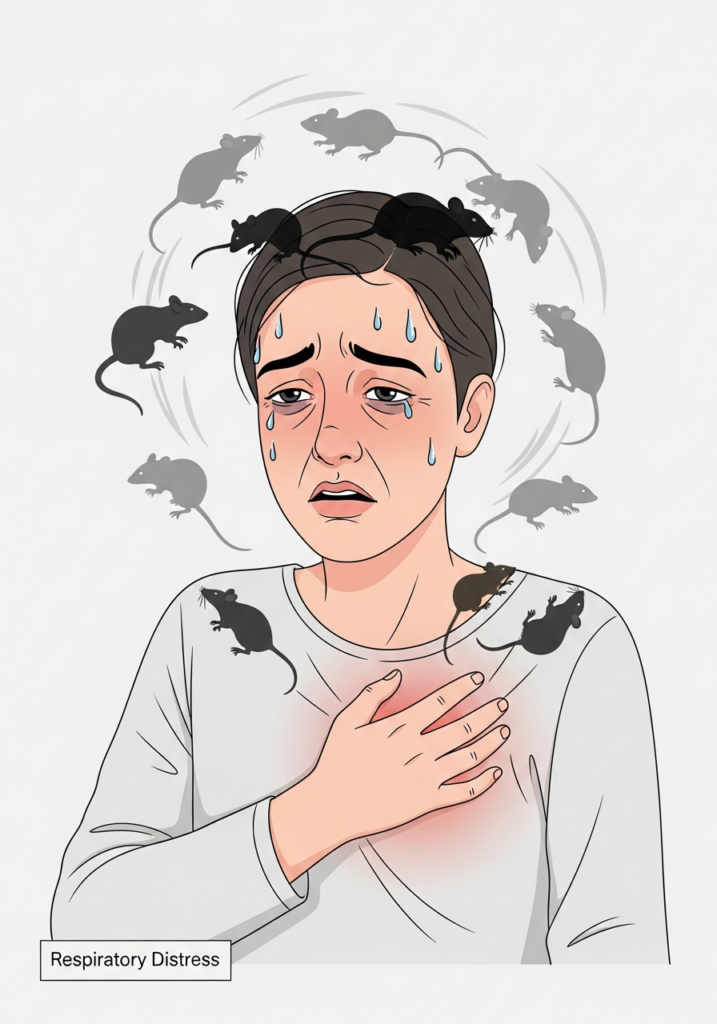
Symptoms of hantavirus pulmonary syndrome can include fever, muscle aches, fatigue, and difficulty breathing. In severe cases, it can lead to respiratory failure and even death. Early detection is crucial, so if you experience any of these symptoms after being exposed to rodents, seek medical attention immediately.
Currently, there is no specific treatment for hantavirus pulmonary syndrome. However, supportive care such as oxygen therapy and fluids may help alleviate symptoms and improve outcomes. It’s important to receive medical treatment as soon as possible to prevent complications and ensure the best possible outcome.
In addition to seeking medical care, prevention is key in protecting yourself and your loved ones from hantavirus pulmonary syndrome. Avoiding contact with rodents and their droppings, keeping your home clean and rodent-free, and using proper protective gear when cleaning potentially contaminated areas can all help reduce the risk of infection.
By understanding the symptoms, seeking prompt medical care, and taking preventive measures, you can help protect yourself and your family from the serious consequences of hantavirus pulmonary syndrome.
Conclusion
In summary, gaining a comprehensive understanding of Hantavirus Pulmonary Syndrome (HPS) is essential for safeguarding your health and the well-being of those around you. HPS is a severe respiratory disease caused by infection with hantaviruses, which are typically carried by certain species of rodents. Transmission to humans most commonly occurs through inhalation of virus particles from rodent urine, droppings, or saliva that become airborne.

Recognizing early symptoms—such as fever, muscle aches, fatigue, and later progressing to coughing and difficulty breathing—is vital for prompt medical attention. The progression of HPS can be rapid and life-threatening, making early detection and intervention critical.
Prevention strategies include minimizing contact with rodents and their habitats. This involves sealing up holes in homes, properly storing food, cleaning up rodent-infested areas with appropriate protective measures (like wearing gloves and masks), and maintaining good sanitation practices both indoors and outdoors.
Staying informed about current outbreaks, especially if you live in or travel to areas where hantavirus-carrying rodents are common, further reduces your risk. Public health agencies regularly provide updates and guidelines that can help keep you aware of potential threats.
If you experience any symptoms after possible exposure or have concerns about rodent infestations in your area, do not hesitate to seek professional advice. Consulting with healthcare providers or public health experts can offer peace of mind and ensure that any necessary steps are taken quickly.
Ultimately, education remains your strongest defense against Hantavirus Pulmonary Syndrome. By staying proactive—learning about the virus, adopting effective preventive habits, and seeking guidance when needed—you empower yourself to protect your own health as well as that of your family and community.
How Does Hantavirus Spread?
Hantavirus primarily spreads through inhalation of particles from rodent urine, droppings, or saliva. People can become infected by touching contaminated surfaces or through bites. Understanding these transmission routes is crucial for effective prevention and reducing the risk of developing Hantavirus Pulmonary Syndrome (HPS).
Risk Factors for Contracting HPS
Several factors can increase the likelihood of contracting hantavirus pulmonary syndrome (HPS). Individuals residing in rural areas, particularly those with a history of rodent exposure, face a heightened risk. Specific types of hantavirus, such as the Sin Nombre virus, are commonly associated with deer mice, whose droppings can contaminate living spaces. Additionally, agricultural work or spending time near rodent-infested environments may contribute to potential infections. Recognizing these risk factors is crucial for implementing effective preventive strategies against severe illness.
Early Detection and Diagnosis
A prompt diagnosis for hantavirus pulmonary syndrome is crucial for effective management. Early symptoms often mimic common viral illnesses, including muscle aches, dry cough, and abdominal pain. Healthcare providers may utilize blood tests to confirm the presence of specific hantavirus strains, particularly after assessing a patient’s history of rodent exposure. Notably, as the disease progresses, symptoms may escalate to pulmonary edema and severe respiratory distress, necessitating immediate supportive care in hospital settings to improve chances of survival.
Prevention Techniques for HPS
Preventing hantavirus pulmonary syndrome involves careful measures to minimize exposure to rodent droppings and urine. Homes, particularly in rural areas, should be inspected for rodent infestations. Keeping living spaces clean and sealed, especially in regions known for deer mice, significantly reduces the risk. Additionally, ensuring adequate ventilation and using protective equipment during cleaning can further mitigate hazards. In high-risk regions, employing rodent control strategies is crucial, as early detection and preventative actions are key to avoiding serious illness associated with hantavirus infections.
Frequently Asked Questions
What are the primary symptoms of Hantavirus Pulmonary Syndrome (HPS)?
The primary symptoms of Hantavirus Pulmonary Syndrome (HPS) typically include fever, muscle aches, fatigue, and headaches that may escalate to difficulty breathing and fluid accumulation in the lungs. Early recognition of these symptoms is crucial for effective treatment and better outcomes.
What preventive measures can be taken to avoid exposure to hantavirus?
To avoid exposure to hantavirus, individuals should ensure proper sanitation in homes, especially in rodent-prone areas. Sealing entry points, using traps or baits, and maintaining clean surroundings can significantly reduce risks. Wearing protective gear while cleaning can also offer additional safety against potential exposure.
How is Hantavirus Pulmonary Syndrome transmitted to humans?
Hantavirus Pulmonary Syndrome is primarily transmitted to humans through contact with infected rodent droppings, urine, or saliva. Inhalation of aerosolized particles from these excretions poses a significant risk, particularly in rural areas or places where rodents are prevalent.
What should I do if I suspect I’ve been exposed to hantavirus?
If you suspect exposure to hantavirus, seek medical attention immediately. Describe your symptoms and potential exposure history to healthcare providers. Early diagnosis is crucial for effective treatment. Avoid contact with rodents and their droppings while waiting for professional help.
https://www.cdc.gov/healthy-pets/rodent-control/seal-up.html