


How to Lower Triglyceride Levels with Drugs Effectively

Key Highlights
- High triglyceride levels can raise your risk of heart disease and, at very high ranges, pancreatitis.
- Lifestyle steps matter first, but drug therapy may be needed when triglyceride levels stay high.
- Statins can help lower triglycerides while also improving cholesterol levels.
- Fibrates are often used for very high triglyceride levels, especially above 500 mg/dL.
- Omega-3 fatty acids, including prescription fish oil, can support treatment in some patients.
- Your doctor chooses medication based on risk, lab results, and treatment goals.
Introduction
High triglyceride levels are more than a lab number. They can signal a higher chance of heart disease and other health problems. Many people can lower triglycerides with better eating habits, weight control, and movement, but that is not always enough. If your levels stay high, medication may be part of the plan. Knowing how these drugs work helps you ask better questions, understand your options, and take steps that support your long-term health.
Understanding Triglycerides and Why They Matter
Triglycerides are a type of fat that circulates in your blood. Your body uses them for energy, but too much can become a problem. When triglyceride levels rise, they often go along with other unhealthy lipid changes.
That matters because high levels are linked with a greater risk of heart disease and, in severe cases, pancreatitis. Before looking at medication, it helps to understand what triglycerides are, why they rise, and when they become dangerous.
What Are Triglycerides?
Triglycerides are a type of fat found in your blood. After you eat, your body can turn extra calories into triglycerides and store them for later use. Those stored fats sit in fat cells until your body needs energy between meals.
They are different from cholesterol, even though both are part of standard lipid testing and both affect heart health. Cholesterol levels tell one part of the story, while triglyceride levels add another important piece. When your doctor reviews your results, they usually look at both.
A normal balance supports your overall health. Trouble starts when triglyceride levels stay too high over time. That pattern can suggest problems with how your body handles fats, sugars, and energy storage, which is why these numbers matter beyond a single blood test.
Risks Associated with High Triglyceride Levels
High triglyceride levels are linked with a higher chance of heart disease and other forms of cardiovascular disease. Researchers have seen that people with elevated levels often face more cardiovascular events, especially when other lipid problems are present too.
In some people, the concern is not only long-term artery health. Very high triglyceride levels can sharply increase the risk of pancreatitis. That is inflammation of the pancreas, and it can become serious. When levels reach 500 mg/dL or higher, doctors pay much closer attention to this danger.
Your overall risk also depends on the bigger picture. Diabetes, low HDL cholesterol, high LDL cholesterol, and existing vascular disease can raise the risk of heart attack further. So the number matters, but your full health profile matters just as much.
Factors Leading to Elevated Triglycerides
High triglycerides rarely happen for one reason alone. In many cases, they develop from a mix of health conditions and daily habits. That is why doctors usually look for secondary causes before moving straight to medication.
Several common factors can push triglycerides up:
- Metabolic syndrome
- Diabetes mellitus, especially when blood sugar is not well controlled
- Excess alcohol intake
- Overweight or obesity
- High carbohydrate intake
- Tobacco use
The good news is that some causes can improve with lifestyle changes. Better food choices, weight control, and more physical activity can help many people. If an underlying issue such as diabetes is present, managing that condition well may lower triglycerides without needing as much medication.
Considerations Before Starting Medication
Medication is not always the first step for high triglyceride levels. Doctors usually start by reviewing your habits, medical history, and overall cardiovascular risk. That helps them decide whether drug therapy is necessary right now or whether lifestyle changes should come first.
Guidance from major groups such as the American Heart Association supports this approach. Your treatment plan should match your numbers, your risks, and how well diet and exercise are working. The next sections explain what doctors look at before prescribing anything.
When Is Drug Therapy Needed for High Triglycerides?
Medication is usually considered when high triglycerides do not improve enough after diet, exercise, and other healthy habits. For people with borderline-high levels, drug therapy is often not the first move. Instead, doctors focus on causes such as weight, diet, and metabolic problems.
The picture changes when triglycerides rise to 200 to 499 mg/dL and other risk factors are present. If LDL goals are not met, statins are often used first. In people with known cardiovascular disease or diabetes, treatment decisions may be more aggressive because the overall risk is higher.
Drug therapy is especially important when levels reach 500 mg/dL or more. At that point, the goal is not only lipid control but also prevention of pancreatitis. Your healthcare provider will also think about secondary prevention if you already have established heart disease.
Assessing Lifestyle and Dietary Factors
Before medication starts, doctors want to know what may be driving the problem. Lifestyle changes are the foundation of care because they can lower triglyceride levels and improve overall health at the same time.
Most treatment plans review habits like these:
- Following a healthy diet with less sugar and saturated fat
- Getting regular exercise and more daily physical activity
- Avoiding tobacco use
- Reducing excess alcohol intake
This review is important because medicine works best when paired with these basics. In some people, strong habits can reduce the need for higher doses or extra drugs. Even if you do need medication, these steps still help you reach better results and support long-term heart health.
Role of Blood Tests in Determining Treatment
Blood tests guide nearly every treatment decision for high triglycerides. They show whether your levels are borderline high, high, or very high. That helps doctors decide if lifestyle care alone is enough or if medication should be added.
These tests also measure cholesterol levels, including LDL, HDL, and total cholesterol. That matters because treatment often targets more than one lipid problem at a time. If LDL is still above goal, doctors may prioritize a statin even when triglycerides are also elevated.
Lab results are only one part of the decision, but they are central. Your doctor combines blood tests with your medical history, diabetes status, and risk of heart disease. Together, these details shape a plan that fits your risk rather than relying on one number alone.
Overview of Medications Used to Lower Triglyceride Levels
Several triglyceride-lowering drugs are available when lifestyle steps are not enough. The main options discussed in clinical care are statin therapy, fibrates, niacin, and fish oil products. Each works in a different way and fits a different type of patient.
Some drugs mainly target LDL cholesterol, while others are better for very high triglyceride levels. That is why treatment is not one-size-fits-all. A closer look at the main medication groups makes the differences easier to understand.
Most Common Triglyceride-Lowering Drugs
The most common triglyceride-lowering drugs are statins, fibrates, niacin, and omega-3 fatty acids. Doctors choose among them based on your triglyceride level, your LDL cholesterol, and your risk of cardiovascular events.
Here is a simple comparison:
| Drug type | Main use in practice | Key notes |
|---|---|---|
| Statin therapy | First-line when LDL cholesterol is above goal and triglycerides are also high | Can lower triglycerides and reduce cardiovascular risk |
| Fibrates | Often used for very high triglycerides | Fenofibrate is commonly used; gemfibrozil needs caution with statins |
| Niacin | Less common now | Can lower triglycerides but has more side effects |
| Omega-3 fatty acids | Useful for high or very high triglycerides | Includes prescription fish oil and EPA-based therapy |
Fish oil supplements are also sold over the counter, but prescription products provide more reliable dosing. Your doctor can help you understand which option matches your treatment target.
How Doctors Choose the Right Medication
Doctors do not choose medication based on triglycerides alone. Your healthcare provider looks at your full lipid pattern, your medical conditions, and whether you are at high risk for future heart problems. A person with diabetes or known cardiovascular disease may need a different plan than someone without those issues.
Treatment goals also matter. If your LDL is above target, a statin may come first because it helps lower cholesterol levels and also reduces triglycerides. If your triglycerides are very high, a fibrate, niacin, or omega-3 product may be considered to bring them down faster.
Your tolerance for medication matters too. Some drugs are easier to combine, and some carry more side effects or interaction concerns. In short, doctors match the medicine to your numbers, your risk factors, and your ability to stay on treatment safely.
Timeline for Expected Results
Many people want to know the timeline for improvement. The compiled guidance does not give one exact timeframe for every drug, because response depends on your starting level, the medicine used, and whether you also make lifestyle changes.
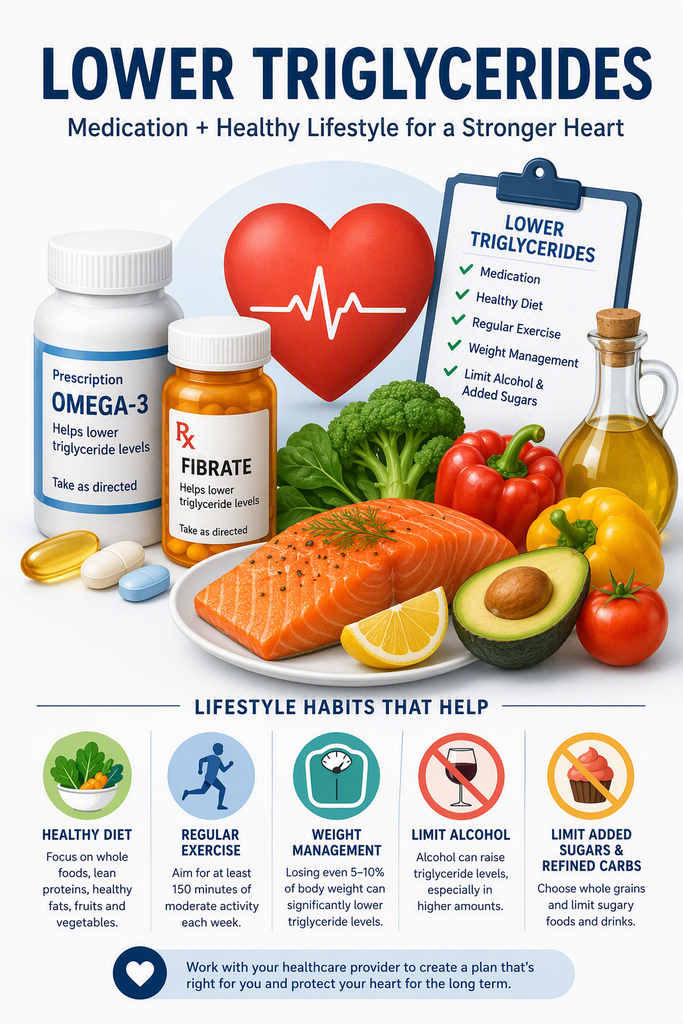
What is clear is that medications can lower triglycerides meaningfully when taken as prescribed. Statins may reduce them by about 20 to 40 percent. Fibrates and fish oil products can reduce them by about 30 to 60 percent in some patients, especially at high doses used for treatment.
Your progress is usually checked with follow-up blood work rather than guesswork. Regular exercise, weight control, and a healthy eating pattern can improve results further. So while response speed varies, better numbers are more likely when medicine and daily habits work together.
Fibrates: Mechanism and Effectiveness
Fibrates have been used for a long time to lower triglyceride levels, especially when they are very high. Common examples include fenofibrate, fenofibric acid, and gemfibrozil. These medicines are often considered when the immediate goal is to reduce pancreatitis risk.
They may also help some patients with mixed lipid problems, though their effect on overall outcomes varies by patient group. To use them well, it helps to understand how they work and when doctors are most likely to prescribe them.
How Fibrates Work to Reduce Triglycerides
Fibrates work mainly by decreasing the production of triglycerides and increasing their breakdown. That makes them especially useful when triglyceride levels are very high. In practical terms, they help your body clear circulating fatty acids more effectively.
Fenofibrate is one of the best-known drugs in this group. Fenofibric acid is a related form that is also taken as a pill. These medicines are aimed more at triglycerides than at LDL cholesterol, although they can influence broader cholesterol levels in some patients.
They do not work the same way as medicines that affect the LDL receptor or block cholesterol production in the liver. Instead, fibrates focus more directly on triglyceride metabolism. That different mechanism is one reason they may be added when statins alone are not enough for severe elevation.
Who Should Consider Fibrate Therapy?
Fibrates are most useful for people with high triglyceride levels that reach the very high range. In general, their clearest benefit is in patients with levels above 500 mg/dL. At that point, bringing the number down can help reduce the risk of pancreatitis.
They may also be considered in people with severe hypertriglyceridemia who have not improved enough with food changes and exercise. For some patients with cardiovascular risk, fibrates have shown value in reducing certain cardiovascular events, especially in secondary prevention settings.
Still, they are not the right choice for everyone. If your main issue is elevated LDL cholesterol, another drug may come first. Doctors usually reserve fibrates for patients whose triglyceride burden is the main problem or whose risk profile calls for stronger triglyceride control.
Fibrates in Combination Therapy
Sometimes fibrates are used with statin therapy when one drug alone does not control the full lipid picture. This can happen in mixed dyslipidemia, where LDL and triglycerides both need attention. Even so, combination treatment requires careful follow-up.
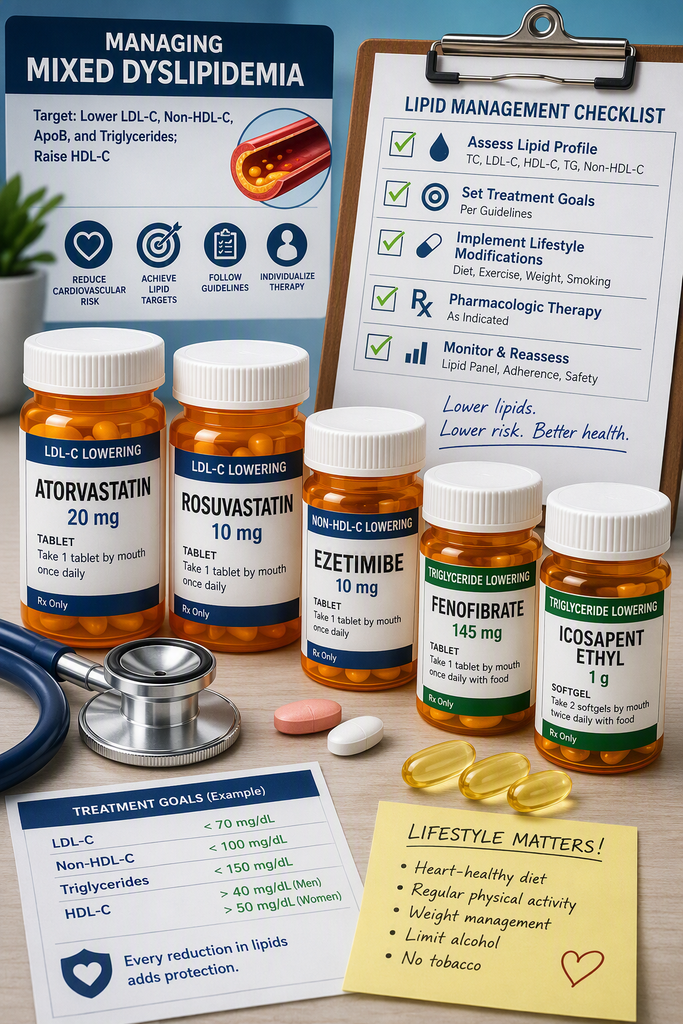
Important points about combining fibrates with additional medications include:
- Fenofibrate is generally better tolerated with statin therapy
- Gemfibrozil should be used cautiously with statins
- Combination treatment may help selected patients with persistent lipid problems
- Monitoring is needed because muscle-related side effects can increase
Doctors weigh the possible benefit against the safety concerns. There is interest in reducing the risk of cardiovascular events with combination treatment, but long-term outcome data are limited. That is why your plan should be individualized rather than based on a routine formula.
Statins for Managing Triglycerides
Statins are best known for lowering LDL cholesterol, but they can also improve triglyceride levels. For many patients, especially those with high LDL and elevated triglycerides together, they are the first medication doctors use. That approach fits common guideline-based care.
These drugs matter because they address a broader cardiovascular risk picture, not just one number. The next sections show how statins affect lipids, how they compare with other options, and where they may offer added value.
Statins’ Impact on Triglyceride and Cholesterol Levels
Statins work by blocking cholesterol production in the liver. Their main job is to lower LDL cholesterol, but they can also reduce triglycerides by about 20 to 40 percent in patients who have both problems. That makes them useful when lipid disorders overlap.
For many people, this dual effect is important. Lower LDL cholesterol is still the primary goal in most treatment plans, but improving triglycerides at the same time can help move non-HDL targets in the right direction. Some patients may also see modest improvement in HDL cholesterol levels.
This is why statins often come first when LDL is elevated. They address cholesterol levels broadly and have a strong role in reducing cardiovascular events. If triglycerides remain high after that, doctors may then consider adding another medication rather than replacing the statin.
Comparing Statins With Other Medications
Statins are not the strongest drugs for pure triglyceride reduction, but they often offer the best overall fit when LDL is also high. Other triglyceride-lowering drugs may lower triglycerides more, yet statins remain central because of their proven role in reducing risk of cardiovascular events.
A quick comparison helps:
| Medication class | Approximate triglyceride effect | Main advantage |
|---|---|---|
| Statins | About 20 to 40 percent reduction | Strong LDL lowering and cardiovascular risk benefit |
| Fibrates | About 40 to 60 percent reduction | Best for very high triglycerides |
| Niacin | About 30 to 50 percent reduction | Also raises HDL, but more side effects |
| Fish oil / omega-3s | About 30 to 50 percent reduction | Often well tolerated; useful add-on option |
So how do statins compare? They may not lower triglycerides as much as fibrates, but they often make the most sense when overall cardiac risk is the key issue.
Potential Benefits for Liver Health
Triglyceride-lowering treatment can improve more than one lab value. Statins, in particular, are used to improve cholesterol patterns and reduce cardiovascular risk. That broader effect can support overall metabolic health, which is tied closely to liver function.
At the same time, doctors keep an eye on safety. Elevated liver enzyme levels can occur with statins, so monitoring matters. This does not mean statins are bad for liver health, but it does mean your doctor may check labs to be sure treatment remains appropriate.
There is another indirect benefit worth noting. Lowering very high triglycerides can reduce the risk of inflammation of the pancreas. That is not the same as a direct liver effect, but it shows how triglyceride control can protect organs beyond the heart and blood vessels.
Omega-3 Fatty Acid Supplements and Prescription Fish Oil
Omega-3 fatty acids are a common option for lowering triglycerides, especially when levels remain high despite lifestyle efforts. These products may contain eicosapentaenoic acid, docosahexaenoic acid, or both. Some are prescription medicines, while others are sold as fatty acid supplements.
That difference matters because dose, purity, and evidence are not the same across products. If you are considering fish oil, it helps to know how well it works, when prescription options may be better, and how it fits with other medications.
Effectiveness of Omega-3s in Triglyceride Reduction
Omega-3 fatty acids can be effective for lowering triglycerides, especially when used at treatment-level doses. Fish oil products providing 2 to 4 grams of total EPA and DHA daily have been shown to lower triglycerides by about 30 to 50 percent in many patients.
Prescription options are often preferred because the dose is clear. One product uses icosapent ethyl, which is pure eicosapentaenoic acid. It has drawn attention because high-dose EPA treatment has been linked with lower risk of heart attack or stroke in certain patients with high triglycerides.
Over-the-counter products may help, but their EPA and DHA content varies a lot. Many capsules contain only a small amount of active fatty acids per pill, so reaching an effective daily target can be harder. That is why fish oil should be chosen carefully, not casually.
Choosing Between Prescription and Over-the-Counter Omega-3s
Not all omega-3 fatty acids are equal. Prescription fish oil is designed for medical treatment, while over-the-counter fatty acid supplements vary in strength and content. If your triglycerides are high, this difference can affect results.
Here are the main practical differences:
- Prescription fish oil provides a standardized dose
- Over-the-counter supplements may contain much less EPA and DHA per capsule
- Prescription products are used specifically for hypertriglyceridemia treatment
- Product quality and labeling are more consistent in regulated prescription options
This is why many doctors prefer prescription therapy for very high triglycerides. You know what dose you are getting, and the product is intended for medical use. If you use a store-bought product, ask your doctor to review the label so your daily intake is actually therapeutic.
Combining Omega-3s With Other Medications
Omega-3 fatty acids are often used with other triglyceride-lowering drugs rather than instead of them. This is common when a patient is already taking a statin but still has triglycerides above goal. In those cases, fish oil may give added lowering.
That combination can be useful because omega-3s are generally well tolerated and tend to have fewer interaction concerns than some other add-on drugs. In statin-treated patients, fish oil has shown extra triglyceride reduction when used as part of combination care.
For people with known cardiovascular disease or a high risk of heart disease, this added support may be especially helpful. Still, the right mix depends on your lab results and treatment goals. Your doctor will decide whether additional medications are needed or whether one drug is enough.
Safety, Side Effects, and Drug Interactions
Every medication has trade-offs, and triglyceride-lowering medications are no exception. Most people do well, but side effects and drug interactions can shape which treatment is safest for you. That is one reason follow-up matters so much after a prescription starts.
Some problems are mild, such as stomach upset, while others need closer attention, especially at high doses or in combination therapy. Understanding the main safety issues helps you know what to report early and what your doctor may monitor.
Side Effects of Triglyceride-Lowering Medications
Side effects vary by medication class. Many people tolerate treatment well, but some reactions are common enough that you should know about them before starting. Risk can be higher with combination treatment or high doses.
Possible side effects include:
- Muscle pain with statin therapy or fibrate-statin combinations
- Elevated liver enzyme levels with statins or niacin
- Flushing with niacin
- Worsening glycemic control with niacin in some patients
- Fishy aftertaste with fish oil
- Mild gastrointestinal upset with fish oil
The most serious concerns are usually muscle injury and liver-related lab changes, especially when certain drugs are combined. Tell your doctor if you develop unusual soreness, weakness, or dark urine. Quick reporting makes it easier to adjust treatment before a minor issue becomes a bigger one.
Drug Interactions to Be Aware Of
Drug interactions are a key reason doctors ask for a full medication list. Some triglyceride-lowering medications can be used together safely, but others need extra caution. The biggest concern in the compiled guidance involves certain fibrates with statins.
Important interaction points include:
- Gemfibrozil can raise statin blood levels and increase muscle risk
- Fenofibrate is generally considered safer than gemfibrozil with statins
- Combination therapy should be monitored closely
- Your doctor should review all additional medications before starting treatment
Fish oil tends to have fewer interaction concerns, which is one reason it is often easier to add. Still, no medication should be started casually. Even if a supplement seems harmless, it can affect your treatment plan, so always keep your healthcare team informed.
Monitoring and Adjusting Medication
Starting medication is not the end of the process. Monitoring helps your healthcare professional see whether the drug is working, whether side effects are developing, and whether your plan needs to change. Follow-up blood work is a normal part of care.
Adjustment may mean changing the dose, switching to a different drug, or adding another medication if your numbers remain high. It may also mean simplifying treatment if your triglycerides improve with steady lifestyle changes and weight control.
Daily habits still matter after the prescription begins. Regular exercise, better food choices, and avoiding tobacco and excess alcohol support the medicine and may improve how much benefit you get from it. Think of medication as one tool, not the whole treatment plan.
Additional Benefits of Triglyceride-Lowering Drugs
Triglyceride-lowering drugs can do more than improve one lipid number. Depending on the medication, they may also help lower cholesterol levels, support broader lipid goals, and reduce some cardiovascular events in the right patients. That broader value often shapes treatment choices.
Still, the benefit depends on which drug you use and why you are taking it. Some options mainly target triglycerides, while others improve the entire lipid profile. The next sections explain these added effects in more practical terms.
Impact on Overall Cholesterol Levels
Many triglyceride medicines affect cholesterol levels too. Statins are the clearest example because they strongly lower LDL cholesterol and can also reduce triglycerides. That makes them useful when several lipid numbers are out of range at once.
Other drugs act differently. Niacin can lower LDL cholesterol, lower total cholesterol, and raise HDL cholesterol. Fibrates are better known for lowering triglycerides, but they may also modestly improve HDL. Fish oil is mainly used for triglyceride reduction and has a smaller role in overall cholesterol changes.
This broader lipid effect matters because doctors do not treat triglycerides in isolation. They often aim to improve total cholesterol, HDL cholesterol, LDL cholesterol, and non-HDL targets together. A medication that helps several markers at once may reduce the need for multiple separate changes later.
Cardiovascular Health Improvements
Improving triglycerides can support cardiovascular health, especially in people who already have vascular disease or diabetes. In these higher-risk groups, better lipid control may reduce cardiovascular events when paired with the right medication and lifestyle support.
Statins are central because they clearly lower LDL and reduce risk of heart disease. Some fibrate studies have shown fewer cardiovascular events in selected patients, especially in secondary prevention. High-dose EPA therapy has also drawn attention for helping lower the chance of heart attack or stroke in certain people with elevated triglycerides.
That said, not every triglyceride-lowering drug has the same strength of evidence for every patient group. Your benefit depends on your risk level, other lipid problems, and whether you already have cardiovascular disease. This is another reason treatment should be tailored, not copied from someone else.
Effects on Liver Function
Triglyceride-lowering drugs can affect liver function, which is why doctors may check liver-related blood tests during treatment. Some medicines, especially statins and niacin, can raise liver enzyme levels. Monitoring helps catch that early.
This does not cancel out their benefit. Many patients use these medicines safely, especially when dosing is appropriate and follow-up is consistent. The goal is to improve your lipid profile while making sure your body is tolerating therapy well.
There is also an indirect organ-protection benefit from lowering very high triglycerides. When levels fall, the risk of inflammation of the pancreas can drop as well. So while liver function needs watching, effective treatment may protect you from other serious complications tied to severe hypertriglyceridemia.
Frequently Asked Questions
Curious about how to manage high triglyceride levels with medications? Many individuals wonder about the effectiveness of drug therapy alongside lifestyle changes like a healthy diet and regular exercise. Common concerns include potential side effects, such as muscle pain or changes in cholesterol levels. It’s essential to discuss these with a healthcare provider to find the best approach for your situation. Additional medications, like fenofibric acid or icosapent ethyl, may also help lower triglyceride levels and reduce the risk of heart disease.
How quickly can medications reduce triglyceride levels?
The timeline varies by drug, dose, and your starting triglyceride levels. Many medications can lower triglycerides substantially, but your doctor confirms progress with follow-up blood tests. For high triglyceride levels, results are usually better when medication is paired with regular exercise and steady diet changes.
Are omega-3 fatty acids effective alongside other drugs?
Yes, omega-3 fatty acids can help lower triglyceride levels when used with other medication, especially statins. Fish oil products are often used as add-on therapy because they are generally well tolerated. Prescription forms usually offer more reliable fatty acids dosing than over-the-counter products.
What are common side effects to watch for?
Common side effects include muscle pain with statins or some combinations, flushing with niacin, and stomach upset or fishy aftertaste with fish oil. Risks may rise at high doses. Contact your doctor if symptoms feel unusual, persistent, or severe.
Conclusion
In conclusion, effectively lowering triglyceride levels with medication requires a thorough understanding of the options available and careful consideration of lifestyle factors. By working closely with a healthcare provider, you can determine the best course of action tailored to your unique health needs. Remember, while medications like fibrates, statins, and omega-3 fatty acids can greatly aid in managing triglyceride levels, they work best when combined with a heart-healthy diet and regular exercise. Prioritizing your cardiovascular health can lead to long-term benefits beyond just lowering triglycerides. If you would like personalized guidance on managing your triglyceride levels, consider booking a free consultation with our experts today!
https://my.clevelandclinic.org/health
https://www.healthline.com/digestive-health
https://www.ncbi.nlm.nih.gov/pmc/articles/PMC6664805
https://www.ncbi.nlm.nih.gov/pmc/articles/PMC1557782
https://www.ncbi.nlm.nih.gov/pmc/articles/PMC2583391
https://www.ncbi.nlm.nih.gov/books/NBK425699
https://www.heart.org/en/about-us/editorial-guidelines/news-staff/using-news-content
https://www.heart.org/en/health-topics/cholesterol/about-cholesterol/cholesterol-top-10