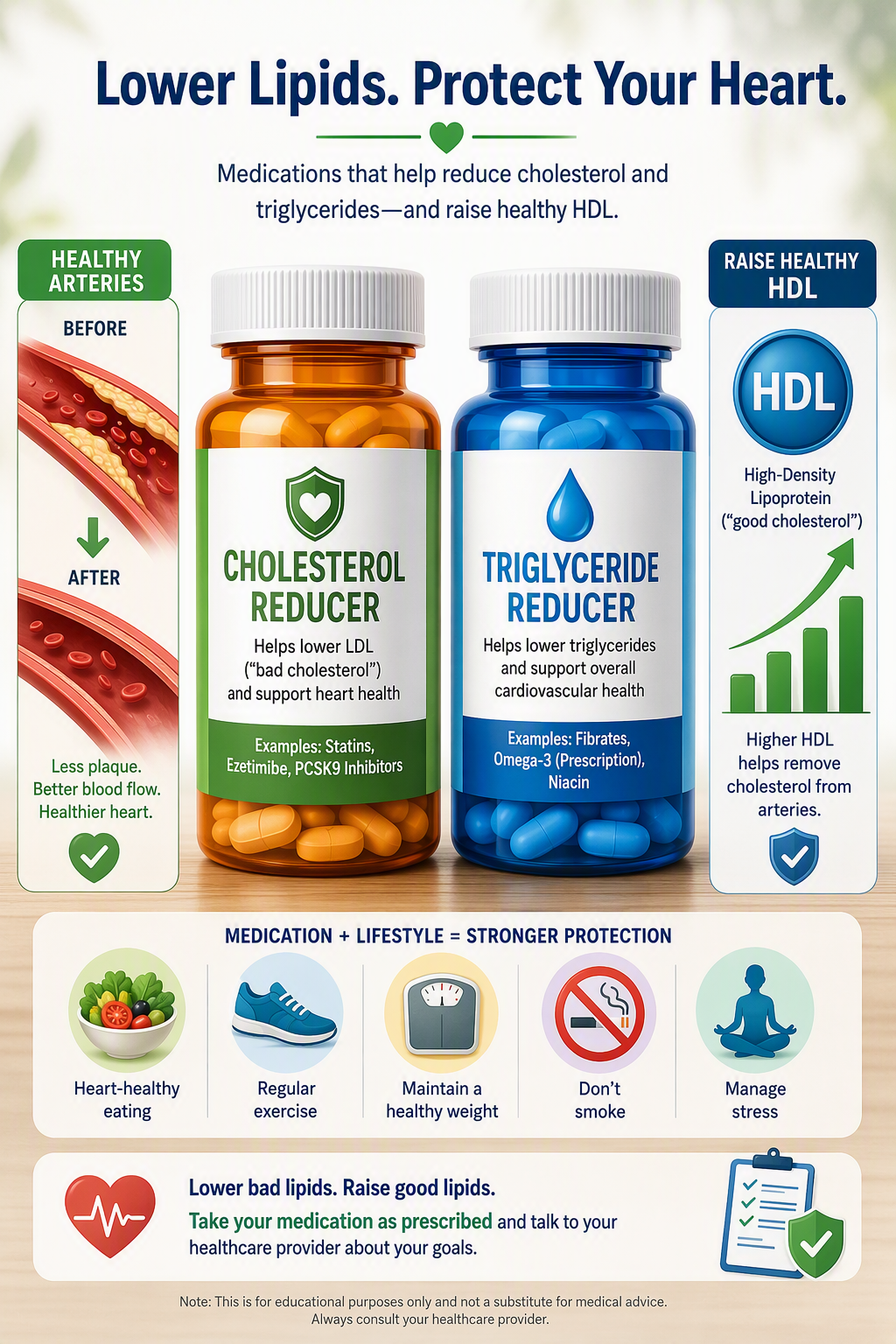

Exploring How to Lower Cholesterol with Drugs Effectively
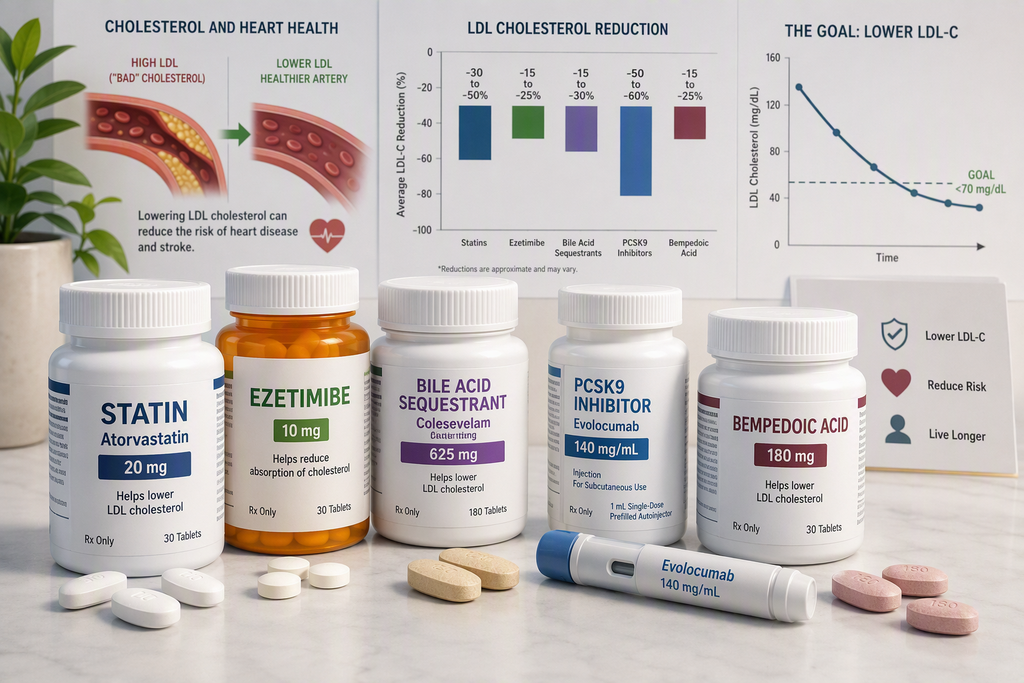
Key Highlights
- Statin drugs are the most common prescription option used to lower cholesterol and reduce the risk of heart disease.
- These medicines mainly lower LDL, or bad cholesterol, by slowing cholesterol production in the liver.
- Your cholesterol level may improve even more when medication is paired with lifestyle changes, which are natural options that can be used alongside cholesterol medication. Not everyone needs drug therapy, so your treatment plan should match your personal risk factors. Statin side effects can happen, but many people take these medicines without major problems.
- Not everyone needs drug therapy, so your treatment plan should match your personal risk factors.
- Statin side effects can happen, but many people take these medicines without major problems.
- Other drugs can help when statins are not enough or not tolerated.
Introduction
High cholesterol can quietly affect your heart health long before you notice any symptoms. If healthy eating and exercise have not made enough difference, your doctor may suggest statin medication or another prescription drug. These treatments can lower harmful cholesterol levels and cut your chance of serious problems like heart attack or stroke. The key is knowing how these medicines work, who may need them, and how to use them as part of a smart, long-term plan.
Understanding Cholesterol and Why It Matters
Your body needs cholesterol, but balance matters. A healthy cholesterol level supports normal body functions, while too much LDL can collect inside arteries and make blood flow harder. That buildup can raise your heart disease risk over time.
What matters most is the amount of cholesterol moving through your blood and where it ends up. When LDL rises too high, plaque can form in artery walls. That is why understanding cholesterol is the first step before looking at medication options and treatment choices.
The Role of Cholesterol in the Body
Cholesterol is not all bad. Your body uses cholesterol to make hormones, vitamin D, and acids that help digest food. It works alongside other important substances, including fatty acids, to support normal functions. The issue starts when the balance shifts in the wrong direction.
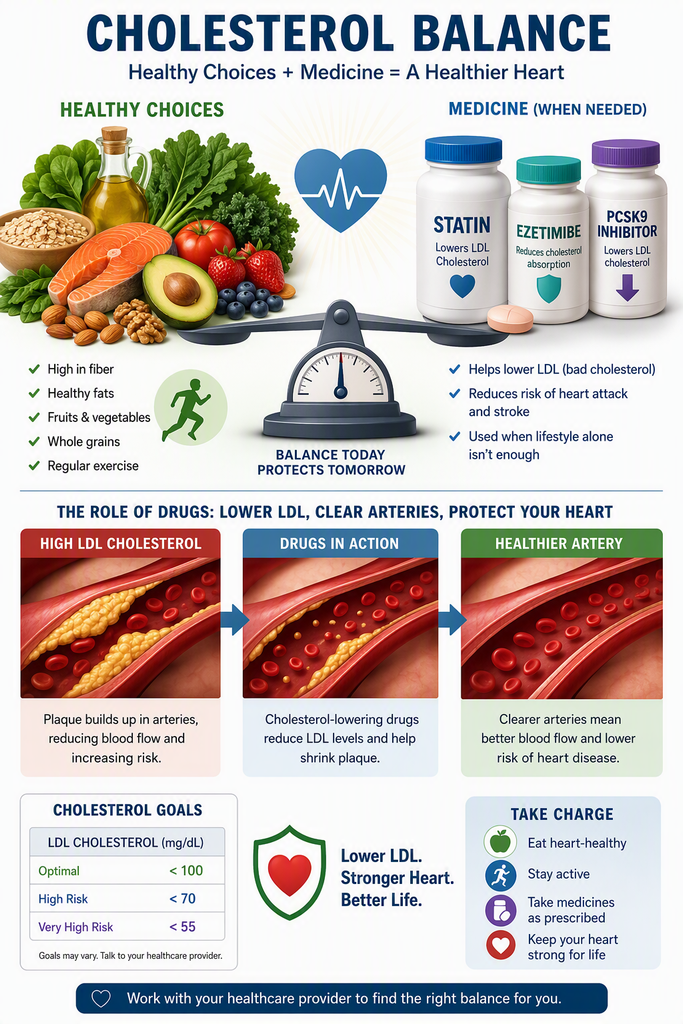
LDL cholesterol is called bad cholesterol because it can build up inside blood vessels. HDL cholesterol is known as good cholesterol because it helps carry extra cholesterol back to the liver so your body can remove it. When LDL stays high, the arteries can narrow and blood flow becomes less smooth.
So, how do statins help? They block an enzyme called HMG CoA reductase that the liver needs to make cholesterol. Since your body makes most of its cholesterol, this can lower LDL cholesterol in a meaningful way.
Risks Associated with High Cholesterol
High cholesterol increases the chance that plaque will build up in your arteries. Over time, that can reduce blood flow and raise the risk of heart problems. If a plaque breaks open, it can trigger heart attacks or stroke. That is why controlling blood cholesterol matters even when you feel fine.
Your overall risk of heart disease is shaped by more than one number. Common risk factors include diabetes, high blood pressure, tobacco use, age, sex, and family history. A doctor looks at all of these, not just one lab result, before deciding on treatment.
Cholesterol-lowering drugs can help, but they may also cause side effects. Reported problems include headache, stomach upset, gas, constipation, diarrhea, dizziness, muscle pain, muscle aches, and, in rare cases, liver, kidney, or severe muscle injury.
Who Should Consider Cholesterol-Lowering Medications
Some people can improve high cholesterol with food choices, exercise, and other healthy habits. Others need medicine because their numbers stay high or their risk of heart disease is already elevated. This is especially true when LDL remains high despite strong lifestyle efforts.
You may also need medication if you have familial hypercholesterolemia, a genetic condition that causes very high LDL levels. In these cases, lifestyle steps still matter, but they may not be enough on their own. The next sections explain who is most likely to benefit from a treatment plan that includes medication.
Identifying Candidates for Drug Therapy
Not everyone with mildly raised cholesterol needs drug therapy right away. Still, some groups are more likely to benefit because their risk of heart attack is higher. Doctors often look at your LDL levels, age, medical history, and whether lifestyle changes have already been tried.
You may be considered high risk if you fit one of these common patterns:
- Your LDL levels are above 190 mg/dL and have not improved enough with diet and exercise.
- You are age 20 to 39, have LDL above 160 mg/dL, and a family history of early coronary artery disease.
- You have already had a stroke, heart attack, or peripheral artery disease.
- You have diabetes or a high overall cardiovascular risk with LDL at or above 70 mg/dL.
In short, people with very high numbers, existing vascular disease, or strong family history are often the main candidates. Your doctor uses those details to decide if medication makes sense for you.
Factors Influencing the Need for Medication
The need for medication depends on the full picture. A healthcare professional will consider your risk factors, such as diabetes, blood pressure, tobacco use, age, sex, and family history. They will also look at how high your LDL is and whether you already have signs of cardiovascular disease.
Lifestyle changes still come first for many people. Better food choices, more movement, and avoiding smoking can improve heart health. But if those efforts do not lower cholesterol enough, or if you have a genetic condition like familial hypercholesterolemia, medicine may be the better next step.
Before starting treatment, talk about other drugs, vitamins, herbs, supplements, and recreational substances you use. Ask about pregnancy, nursing, liver disease, diabetes risk, possible food interactions, and what side effects should prompt a call to the office.
Classes of Cholesterol-Lowering Drugs
Several types of drug therapy can help lower LDL and improve your overall cholesterol profile. Statin drugs are the most common choice because they reduce the amount of cholesterol made by the liver and can strongly lower bad cholesterol.
Other options may be used when statins are not enough or cannot be tolerated. These include bile acid sequestrants, fibrates, niacin, cholesterol absorption inhibitors, omega-3 products, PCSK9 inhibitors, and newer choices being studied in clinical trials, including bempedoic acid. The most widely used class deserves a closer look first.
How Statins Work to Reduce Cholesterol
Statins are often the first statin medication doctors prescribe for high LDL cholesterol. They work by blocking HMG CoA reductase, an enzyme your liver needs to make cholesterol. Since the body produces most of its cholesterol, this step can greatly reduce the amount of LDL circulating in your blood.
Many people also see added benefits. Statins can lower triglycerides, may raise HDL a little, and help reduce the chance of heart attack or stroke. Some statins can cut LDL cholesterol by 50% or more, depending on the dose and type of statin used.
| Statin medication | What to know |
|---|---|
| Atorvastatin | Common statin; available in different brands and once-daily dosing |
| Rosuvastatin | Often used for strong LDL lowering; once daily |
| Simvastatin | Usually taken in the evening; available in combination pills |
| Pravastatin, Lovastatin, Fluvastatin, Pitavastatin | Other statins that may fit different treatment needs |
Other Medications: Fibrates, Niacin, and PCSK9 Inhibitors
Yes, there are alternatives to statins for lowering cholesterol with medication. Fibrates are one option. These drugs help the body clear triglycerides more quickly and can also raise HDL. Examples include fenofibrate, gemfibrozil, and fenofibric acid. In some cases, they are used with statins, though that combination is not always more effective for preventing major events.
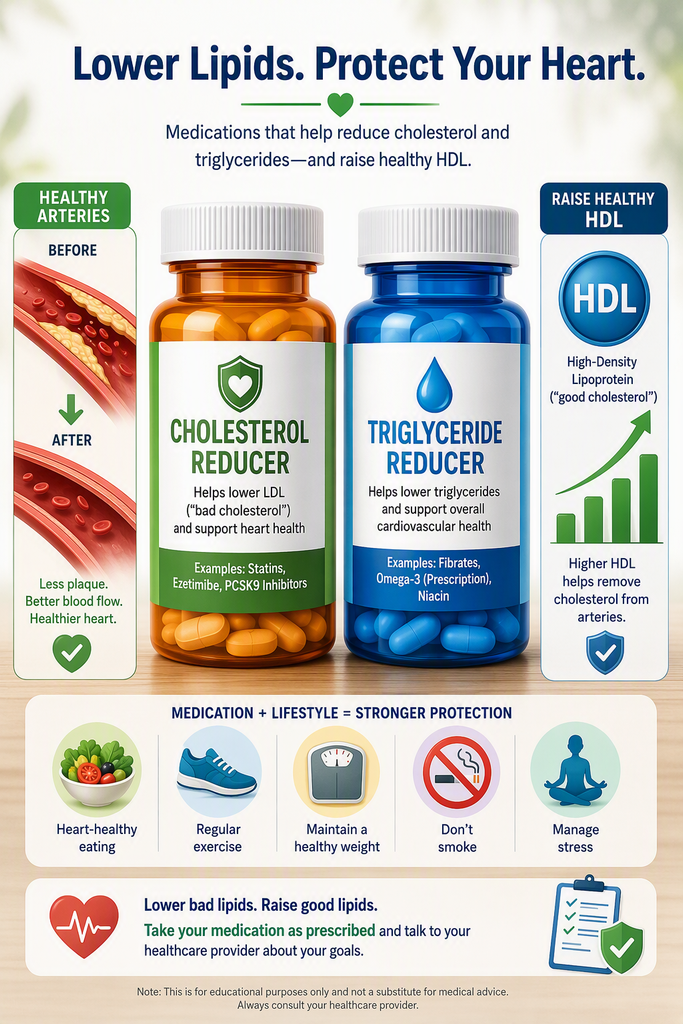
Niacin, also called nicotinic acid, is another option. It can lower LDL, raise HDL, and reduce triglycerides. Even though niacin is a vitamin, prescription niacin is different from over-the-counter products, so you should only use it as directed by your doctor.
PCSK9 inhibitors are injectable medicines that lower LDL by helping the body clear more of it from the blood. They can be useful for people with familial hypercholesterolemia or very high LDL despite treatment.
Effectiveness and Timeline of Cholesterol-Lowering Drugs
Cholesterol medications can be very effective, especially when LDL remains high after diet and exercise changes. Statins work by lowering cholesterol production in the liver, while other drugs target absorption or removal. The result is often a measurable drop in levels of LDL.
Response time can vary by medicine, dose, and your starting numbers. Clinical trials continue to study new therapies and combinations, but current treatments already offer strong benefits for many people. To set realistic expectations, it helps to know what the early timeline usually looks like.
How Quickly You May See Results
Many people want to know the timeline before starting treatment. The exact speed depends on the drug, the dose, and your starting cholesterol level. What is clear is that these medicines begin affecting blood cholesterol by changing how the body makes, absorbs, or clears fats from the bloodstream.
Statins start working as soon as they interfere with liver cholesterol production. Over time, this leads to lower LDL and a better overall lipid profile. Some statins are strong enough to reduce LDL by 50% or more. Your doctor will usually monitor how well the medicine is working and adjust drug therapy if needed.
Clinical trials continue to test newer options, but the process is the same for most treatments: start the medication, stay consistent, and recheck labs. The best way to judge results is through follow-up testing rather than guessing based on symptoms.
Comparing Drug Therapy to Lifestyle Changes
Lifestyle changes and medication are not really opponents. They work best together. A healthy diet and regular physical activity can lower LDL for many people, especially when high cholesterol is mild. But if your numbers stay high or your heart risk is elevated, medicine may provide the extra help you need.
Drug therapy can produce a larger drop in LDL than lifestyle steps alone in people with stubborn or inherited high cholesterol. Statins, in particular, can reduce LDL strongly and lower the chance of heart attack or stroke. Still, medicine does not replace a healthy lifestyle.
For the strongest results, keep these habits in place:
- Follow a healthy diet low in saturated and trans fats.
- Aim for regular physical activity.
- Avoid smoking or tobacco use.
- Stay committed to long-term lifestyle changes even after starting medication.
Conclusion
In conclusion, effectively lowering cholesterol with drugs involves a comprehensive understanding of both the medications available and your personal health profile. By recognizing who should consider these medications and the different classes available, you can make informed decisions about your treatment options. It’s essential to monitor your progress and work closely with healthcare professionals to evaluate how well these drugs are working for you. Remember, while medications play a vital role, they are most effective when combined with healthy lifestyle changes. Take charge of your health today! If you have any questions or need guidance, don’t hesitate to reach out for a consultation.
Frequently Asked Questions
What are the most common side effects of cholesterol medications?
Common statin side effects include muscle pain, muscle aches, headache, dizziness, nausea, gas, constipation, diarrhea, and upset stomach. Most people tolerate cholesterol medications well, but side effects of statins can vary. Rare but serious problems can involve the liver, kidneys, or severe muscle injury.
Are there alternatives to statins for lowering cholesterol?
Yes. Alternatives include fibrates, bile acid sequestrants, niacin, cholesterol absorption inhibitors, omega-3 products, and PCSK9 inhibitors. Clinical trials are also studying newer options such as bempedoic acid. Your doctor may consider these if statins are not tolerated or if you need additional LDL lowering.
Can I stop taking cholesterol medication if my levels improve?
Do not stop on your own. If you stop treatment, your cholesterol level and LDL cholesterol may go back up, which can raise your risk of heart attack. Talk with a healthcare professional first. Any change should be part of your treatment plan, not a personal guess.
https://resources.healthgrades.com/contributors/alexandra-perez-pharmd-mba-bcgp