
Effective Treatment from Tree Pollen Allergy This Season
Key Highlights
- Tree pollen allergies can trigger sneezing, itchy eyes, runny nose, and nasal congestion during pollen season. Your immune system reacts to tree pollen as if it were harmful, which leads to allergy symptoms. The most effective treatments available for tree pollen allergy typically include antihistamines, nasal corticosteroid sprays, and allergen avoidance strategies such as staying indoors during high pollen count days. For some people with moderate to severe pollen allergies, allergy shots (immunotherapy) can help the immune system gradually become less sensitive to tree pollen.
- Your immune system reacts to tree pollen as if it were harmful, which leads to allergy symptoms.
- Common treatment options include antihistamines, decongestants, corticosteroid nasal spray, and eye drops. Among these, antihistamines such as cetirizine, loratadine, and fexofenadine are generally considered the most effective over-the-counter medications for relieving tree pollen allergy symptoms. Decongestants can also provide short-term relief, especially for nasal congestion, while steroid nasal spray and eye drops help manage sneezing, itching, and eye irritation. For stronger or lasting relief, doctors may suggest allergy shots or other allergy immunotherapy. You can lower exposure by checking pollen counts, keeping windows closed, and changing clothes after time outside.
- For stronger or lasting relief, doctors may suggest allergy shots or other allergy immunotherapy.
- You can lower exposure by checking pollen counts, keeping windows closed, and changing clothes after time outside.
- Testing with an allergist helps confirm which tree pollen is causing your symptoms.
Introduction
If tree pollen makes spring miserable for you, you are not alone. Tree pollen is one of the most common triggers behind seasonal allergies in the United States, and it can cause frustrating allergy symptoms like sneezing, congestion, watery eyes, and fatigue. The good news is that relief is possible. When you understand what causes your reactions and which treatments actually help, you can manage symptoms better and get through the season with far less discomfort. To reduce your exposure to tree pollen during allergy season, try to keep windows closed, use air purifiers, avoid outdoor activities when pollen counts are high, and shower after spending time outside to remove pollen from your skin and hair.
Understanding Tree Pollen Allergies
Tree pollen allergies happen when your immune system mistakes harmless pollen for a threat. That response can lead to allergic rhinitis, also called hay fever, especially during allergy season when the pollen count rises. Common symptoms that suggest someone has a tree pollen allergy include sneezing, runny or stuffy nose, itchy or watery eyes, and sometimes scratchy throat or coughing. These symptoms are typically worse when pollen levels are high.
Because trees release pollen at certain times of year, symptoms tend to appear seasonally rather than all year. The most effective treatments available for tree pollen allergy usually include allergy medications, nasal sprays, and, in tougher cases, immunotherapy. To understand why symptoms start, it helps to look at the cause first. In addition to medical treatments, some home remedies may help manage tree pollen allergies, such as regularly rinsing your nasal passages with saline solution, using air purifiers indoors, keeping windows closed during high pollen periods, and showering after spending time outside to remove pollen from skin and hair.
What Causes Tree Pollen Allergies
Tree pollen is a fine powder produced by the male part of a tree. In many species, wind carries that powder to fertilize other trees. That is why pollen can settle on cars, windows, clothing, and your skin so easily. Allergy shots help with tree pollen allergies by gradually exposing your immune system to small amounts of tree pollen. Over time, this process can build up your tolerance and reduce the severity of allergic reactions when you encounter tree pollen in the environment.
For allergy sufferers, the problem starts when the immune response misreads tree pollen as dangerous. Even small amounts of allergens can trigger an allergic reaction. Your body then releases chemicals that lead to symptoms such as sneezing, itching, and congestion. If your tree pollen allergy symptoms become severe, persistent, or interfere with daily activities—such as causing difficulty breathing, wheezing, or preventing proper sleep—it is important to see a doctor for diagnosis and management.
The most effective treatments available for tree pollen allergy target that reaction or reduce your exposure. Common options include antihistamines, corticosteroid nasal spray, eye drops, and allergy shots. Since reactions can vary based on the amount of pollen in the air, timing and prevention also matter. In fact, it is possible to help prevent tree pollen allergies before the season starts by beginning certain medications early or by considering allergy shots well in advance. Taking preventive steps, such as monitoring pollen forecasts and limiting outdoor exposure during peak times, can further reduce your risk before symptoms begin.
Common Trees That Trigger Allergies in the United States
Across the United States, several trees are common triggers for pollen allergy symptoms. Birch, oak, cedar, maple, mulberry, elm, walnut, and ash are major contributors. In the Southwest, Ashe juniper is linked to cedar fever, even though many people assume cedar trees are to blame. To lessen tree pollen allergy effects, consider lifestyle changes such as keeping windows closed during peak pollen season, showering and changing clothes after spending time outdoors, using air purifiers indoors, and avoiding outdoor activities when pollen counts are highest. These steps can help reduce exposure to the pollen from common trees and minimize symptoms.
Some trees release high pollen levels but are less potent, while others produce very strong reactions. Your specific pollen trigger may also depend on where you live, since warmer climates can start earlier and some trees release pollen in late summer or early fall. Children can also be treated for tree pollen allergies, often using similar methods as adults, such as antihistamines, nasal sprays, or allergy shots—but dosages and treatment plans are carefully adjusted for their age and body size. Pediatric allergy specialists may focus more on child-friendly medications and strategies, as children can have different sensitivities or responses compared to adults.
| Tree | Notes |
|---|---|
| Birch | Major contributor across many regions |
| Oak | Common and potent in the United States |
| Ashe juniper | Known for cedar fever in the Southwest |
| Maple | Strong trigger with potent pollen |
| Elm | Major contributor in many areas |
| Cypress | Important trigger in warmer climates |
Reducing exposure during allergy season starts with knowing which trees affect your area and watching the pollen count.
Recognizing Symptoms of Tree Pollen Allergy
Tree pollen allergy symptoms often look like a stubborn cold, but they follow a seasonal pattern. Common allergy symptoms include sneezing, a runny nose, itchy eyes, watery eyes, nasal congestion, and tiredness.
Some people also notice headaches, poor sleep, or irritability during heavy pollen days. If your symptoms show up around the same time each year, especially in early spring, tree pollen may be the cause. The next signs to watch usually involve your nose, sinuses, eyes, and sometimes your skin.
Nasal and Sinus Reactions
For many people, the first signs show up in the nose and sinuses. Tree pollen irritates the nasal passages and can lead to swelling, mucus buildup, and trouble breathing clearly through your nose.
You may notice several common reactions:
- Nasal congestion that makes it hard to breathe comfortably
- A runny nose that keeps coming back
- Postnasal drip that drains into the throat
- A sore throat, especially in the morning
When mucus keeps moving down the back of your throat, it can also cause coughing or even nausea in some people. These symptoms are strong clues that you may be dealing with tree pollen allergy symptoms rather than a simple cold, especially when they return during the same part of allergy season each year.
Eye and Skin Symptoms
Eye allergy symptoms are also very common with tree pollen exposure. You may feel discomfort soon after spending time outside, especially on dry or windy days when pollen spreads more easily.
Typical eye and skin symptoms include:
- Itchy eyes that make you want to rub them
- Watery eyes or red eyes
- Eye swelling that makes your eyes feel heavy
- Skin symptoms such as rash or hives flare-ups in some people
If your eyes are the main issue, eye drops may help calm irritation. A few people with more severe reactions can also notice skin symptoms after exposure. While these reactions are usually not the main feature of tree pollen allergies, they can still point to a seasonal trigger when they appear along with sneezing or congestion.
How to Diagnose Tree Pollen Allergies
If you think tree pollen is behind your symptoms, getting the right diagnosis matters. Allergy testing helps confirm the trigger and can separate allergic rhinitis from other causes of congestion or sneezing.
An allergist usually reviews your medical history, asks when symptoms happen, and may recommend testing. This step is also important if you are considering allergen immunotherapy later. You should see a doctor when symptoms keep returning, are hard to manage, or start affecting sleep, breathing, or daily life.
Allergy Testing Methods
Diagnosis often starts with a detailed conversation. Your allergist will ask about your medical history, when your symptoms began, what time of year they appear, and whether outdoor exposure or a high amount of pollen makes them worse.
The most common allergy testing method is skin testing. A small amount of diluted allergens is placed on your skin. After about 15 minutes, the doctor checks for a raised, itchy bump. If one appears, that usually points to an allergy to that substance.
This kind of testing helps identify the exact trigger instead of guessing. You should see a doctor when symptoms are recurring every allergy season, when over-the-counter treatment is not enough, or when you want a clearer plan for avoiding the pollen that is bothering you.
Signs That Indicate You Should See a Doctor
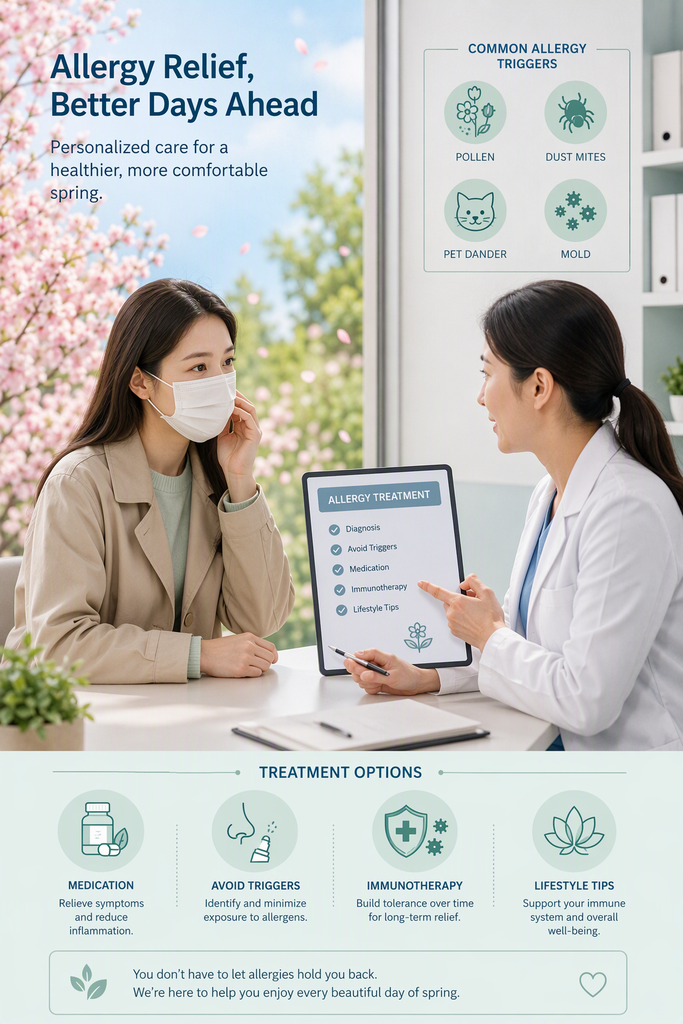
Sometimes home care and basic medicine are not enough. If your allergy symptoms are getting in the way of sleep, work, school, or time outside, it may be time to get professional help.
Watch for signs like these:
- Shortness of breath during high pollen days
- Asthma symptoms that flare with seasonal allergies
- Chest tightness after breathing in pollen
- Symptoms that do not improve with usual treatment options
You should also book a visit if you are not sure what is causing your symptoms or if you keep treating the wrong trigger. A doctor can confirm the cause, rule out other issues, and help you build treatment options that match how mild or severe your reactions really are.
Effective Medical Treatments for Tree Pollen Allergies
There is no cure for tree pollen allergies, but several medical treatments can bring real relief. Many people improve with allergy medications such as antihistamines, decongestants, and corticosteroid nasal spray used during the season.
For severe or persistent symptoms, prescription allergy medications or allergy shots may be part of stronger treatment plans. Which treatment is most effective for severe tree pollen allergy symptoms depends on how often you react and how well standard medicines work. The two main paths are over-the-counter relief and immunotherapy.
Over-the-Counter Medications for Relief
Many people start with over-the-counter medications for allergy relief. These products can reduce allergy symptoms when used correctly, and they are often most helpful when started one to two weeks before tree pollen season begins.
Common counter medications include:
- Antihistamines to reduce the histamine response to pollen
- Decongestants for short-term relief of stuffiness
- Corticosteroid nasal spray to lower inflammation
- Eye drops for itchy, red, or watery eyes
Each option works a little differently. Decongestants should only be used short term, since side effects can include worsening congestion if they are used too long. Corticosteroid nasal spray works best when used regularly during allergy season, not only when symptoms flare. If these do not help enough, stronger medical support may be needed.
Allergy Shots and Immunotherapy Options
When symptoms are more severe or long-lasting, allergy shots may offer better control. Allergy immunotherapy works by exposing your body to small amounts of allergens over time. The goal is to make your immune system less sensitive to the specific tree pollen that triggers your symptoms.
With allergy shots, a tiny dose is injected and then gradually increased. This repeated exposure can reduce how strongly your body reacts. For some people, this leads to long-term improvement and fewer seasonal problems.
Sublingual immunotherapy is another option. Instead of injections, you place a tablet under your tongue that contains small amounts of allergens from the specific pollen involved. Like shots, it aims to build tolerance. This is how allergy shots help with tree pollen allergies: they train your system to react less.
Preventing and Reducing Exposure During Tree Pollen Season
You cannot remove tree pollen from the air, but you can reduce how much of it reaches you. During pollen season, smart habits can lower symptoms and make your treatment work better.
Focus on daily pollen counts, avoid extra time outside on high pollen days, and pay attention to windy days when pollen travels farther. A few simple lifestyle changes, both outdoors and at home, can make a noticeable difference. That starts with when you go outside and how you protect yourself there.
Outdoor Strategies and Timing
Timing matters more than many people realize. Tree pollen levels tend to be highest early in the morning, on warm dry days, and on windy days. They can also spike after a thunderstorm, so planning outdoor time carefully can help.

Try these outdoor strategies:
- Check daily pollen updates before heading out
- Limit time outdoors when pollen levels are high
- Wear a face mask to filter pollen from the air
- Use sunglasses outside if eye symptoms are a problem
In many places, symptoms are strongest in early spring through late spring, though local timing can vary. If you know you will be outside for a while, pre-medicating with an antihistamine or corticosteroid nasal spray beforehand may help. Avoiding wooded areas during peak daily pollen periods can also reduce exposure.
Home and Lifestyle Adjustments
Your home can either protect you from pollen or let it keep circulating. Since tree pollen is a very fine powder, it can easily enter through open windows and cling to clothes, hair, and bedding. Good prevention habits help cut down those hidden amounts of allergens.
Helpful lifestyle changes include:
- Keep home and car windows closed during allergy season
- Run air conditioning instead of bringing outdoor air inside
- Change clothes and shower after being outdoors
- Dry laundry indoors rather than outside
If you live in warmer climates, pollen may start earlier in the year, so these habits may need to begin sooner. Washing bedding weekly and keeping outdoor pollen off soft surfaces can also help. Small steps like these do not remove every trigger, but they can lessen the daily load on your body.
Home Remedies and Lifestyle Approaches
Home remedies will not cure tree pollen allergies, but a few practical steps may support allergy relief. These approaches work best when paired with medical treatment and good daily habits.
If you experience symptoms often, simple lifestyle changes can help reduce the pollen that stays on your body and in your home. The most useful options focus on rinsing pollen away, limiting exposure, and making it easier to breathe comfortably during heavy allergy days.
Natural Solutions to Manage Symptoms
There is no supplement or homeopathic cure for hay fever caused by tree pollen. Still, some home remedies may support allergy relief by helping remove pollen from your eyes and nose and lowering ongoing exposure.
Useful at-home steps include:
- Use sterile saline eye drops to flush pollen from the eyes
- Try saline nasal sprays or nasal rinses to clear the nose
- Shower before bed to remove pollen from skin and hair
- Wash bedding regularly during heavy pollen periods
These steps may not stop every allergic reaction, but they can help you feel better. Nasal rinses made with saltwater and baking soda can open the nose, improve airflow, and calm swollen tissue. They are not a replacement for allergy medications, yet they can make a good treatment plan work more smoothly.
Adjustments for Families and Children with Allergies
Children can also have tree pollen allergy symptoms, and seasonal reactions are common in the United States. In fact, many children are affected by seasonal allergies, so families need routines that lower exposure during allergy season.
Helpful adjustments for families include:
- Have children change clothes after outdoor play
- Shower before bed to remove pollen from hair and skin
- Keep windows closed in bedrooms and cars
- Watch for sleep trouble, irritability, or ongoing congestion
Children can be treated for tree pollen allergies, but diagnosis and treatment options should be guided by an allergist. The process is similar to adults, starting with symptom review and testing. Because younger allergy sufferers may not describe symptoms clearly, parents often need to notice patterns and ask for medical advice early.
Conclusion
In conclusion, managing tree pollen allergies is crucial for enjoying the beauty of the season without discomfort. By understanding the causes and symptoms of these allergies, you can take proactive measures to minimize exposure and seek effective treatments. From over-the-counter medications to lifestyle adjustments and home remedies, several strategies can help alleviate your symptoms. Remember, it’s essential to listen to your body and consult with a healthcare professional if your symptoms persist or worsen. Don’t let tree pollen hinder your springtime enjoyment—take charge of your health today! For personalized advice, feel free to reach out for a free consultation.
Frequently Asked Questions
Are tree pollen allergies different in children and adults?
Tree pollen allergies can affect both children and adults, but children may have a harder time explaining allergy symptoms. Both groups can develop seasonal allergies, and some may also have allergic asthma. Treatment options are similar, though children should be evaluated and treated with guidance from an allergist.
What can be done to prevent tree pollen allergies before the season starts?
Prevention starts before allergy season arrives. If your symptoms usually begin in early spring, start medications one to two weeks ahead of time. Check pollen levels, keep windows closed, and begin routines that lower amounts of allergens indoors, such as washing bedding and changing clothes after outdoor time.
Which treatment is most effective for severe tree pollen allergy symptoms?
For severe allergy symptoms, the most effective option often goes beyond basic medicine. Prescription allergy medications may help, but allergy shots and other immunotherapy approaches can provide longer-term relief. The best choice depends on your symptoms, response to medicine, and whether your doctor recommends more advanced treatment plans.
https://my.clevelandclinic.org/health