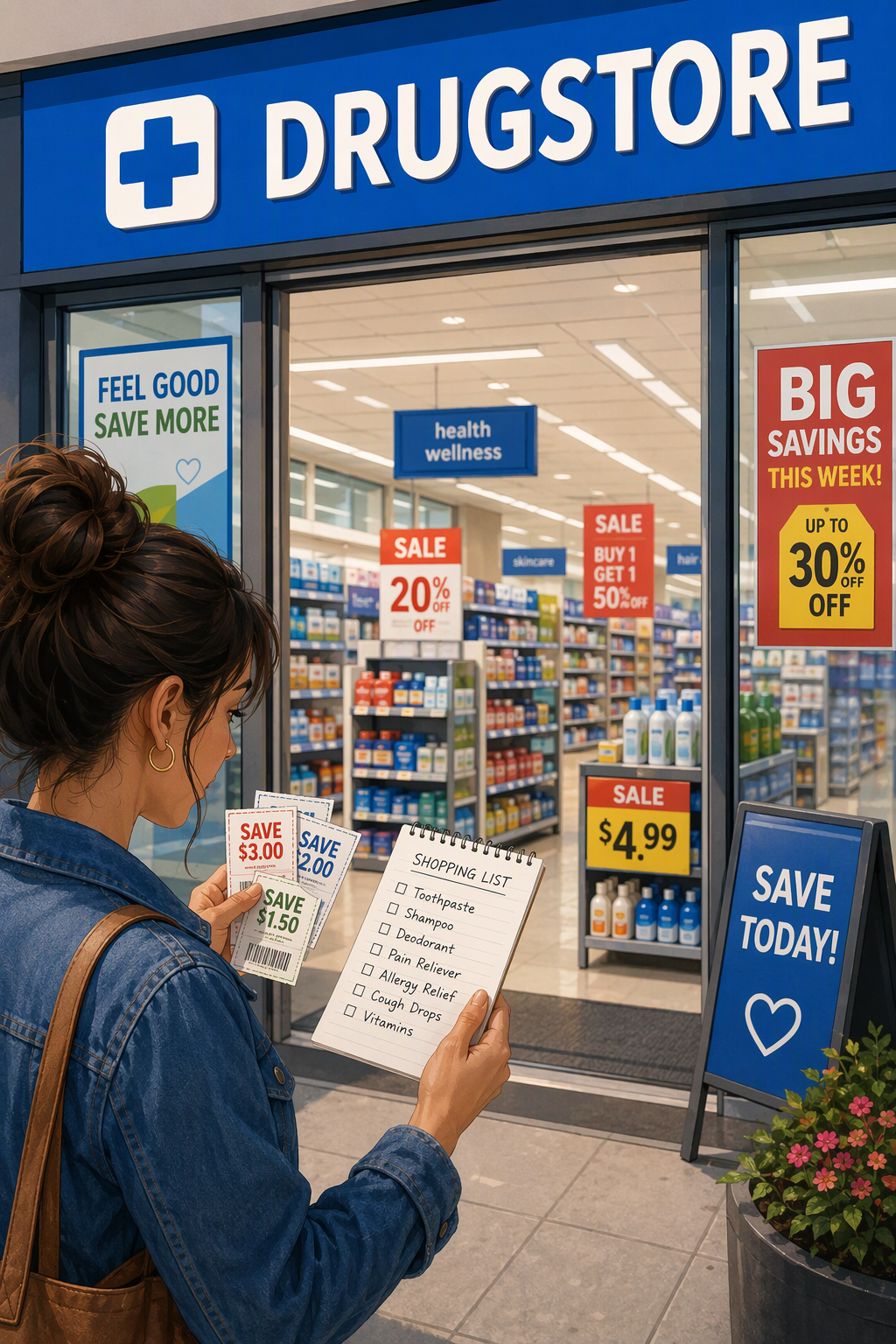

Beginner’s Guide to Buy Over a Drug Store Like a Pro
Key Highlights
- Sign up for loyalty programs first, because drugstore rewards and health rewards can lead to lower prices over time.
- Focus on store brand medicine, since matching active ingredients often means better value.
- Use coupons with sale items to cut costs on toothpaste, deodorant, razors, and laundry detergent.
- Check weekly deals before shopping so you avoid paying full price.
- Buy some seasonal and clearance items late for strong discounts.
- Skip common overpriced items when a grocery store offers better pricing.
Introduction
Drugstores can feel expensive at first glance, especially when you compare shelves with a grocery store. Still, smart shoppers know they can beat high drug prices on the right items, including prescription drugs. If you shop with a plan, drugstores become a strong place to buy personal care, over-the-counter basics, and select household goods. The key is knowing what deserves your money and what should stay on your list for another store. That’s exactly what this beginner-friendly guide will help you do.
Understanding Drugstore Shopping in the United States
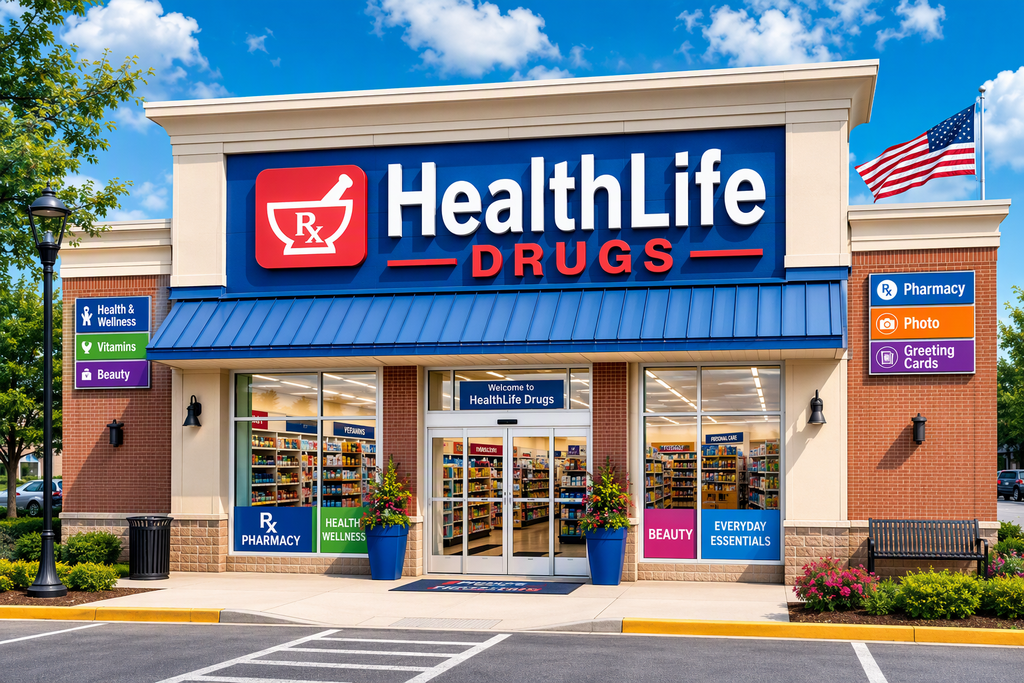
In the United States, drugstores such as Rite Aid, CVS, and Walgreens mix pharmacy services, including social security assistance programs, with everyday shopping. You can pick up medicine, hygiene items, snacks, and household basics in one stop. That convenience is helpful, but it does not always mean lower prices.
Before you buy, look at rewards, sale timing, and whether a store brand gives the same result. Many shoppers also pair health-related purchases with a flexible spending account (FSA) or health savings account when eligible. Once you understand how these stores price products, better decisions come much easier.
What Makes Drugstores Unique Compared to Other Retailers?
Drugstores stand out because they combine convenience with savings opportunities that are easy to miss, including invisible ways stores can trick customers into spending more. You may walk in for one item and find sale tags, register offers, and points that change the real price at checkout. That makes the shelf price only part of the story.
Another big difference is the value on over the counter medicines. Store versions often match the active ingredients found in national brands, which can make them a smart first choice. In many cases, you are paying less without giving up the main purpose of the product.
Then there is the store’s rewards program. Unlike many retailers, drugstores often reward repeat visits, prescription refills, and even health tracking. If you use those perks regularly, it can be a great way to make the long run cost look much better than it first appears.
Popular Drugstore Chains and Their Key Features
Most shoppers start with the big national chains: Walgreens, CVS, and Rite Aid. Each one uses a drugstore rewards program to keep customers coming back, and each has its own style of savings tied to your insurance plan. If you want the best deals, learn how each program works before you shop.
Here’s a quick text table to compare the basics:
| Chain | Key feature |
|---|---|
| Walgreens | Balance Rewards offered points, including some health tracking benefits |
| CVS | CVS’s rewards program uses the ExtraCare card and can issue CVS Bucks-style savings |
| Rite Aid | Rite Aid Wellness+ Rewards has offered BonusCash on select purchases, including allergy items |
That means your best store may depend on what you buy most. If you shop sales often, CVS and the extracare card can be useful. If you buy allergy care, Rite Aid may offer extra value. Walgreens is worth watching for personal care and rotating promotions.
Must-Have Items That Are Best Bought at Drugstores
Some categories do especially well at drugstores, even when the store has a reputation for markups. The biggest wins usually come from products tied to coupons, rewards, or short-term promotions. That is where lower prices start to show up.
A smart list often includes store brand medicine, toothpaste, deodorant, razors, and laundry detergent. These items regularly appear in weekly ads or qualify for extra rewards. Once you know which categories tend to get the strongest promotions, your trips become more focused and much more cost-effective.
Top Household Essentials for Great Value
When promotions line up, drugstores can be excellent for basic household essentials. The trick is to wait for the right sale price and avoid impulse buys. You want items that commonly pair with a store coupon, rewards, or buy-one-get-one offers.
Look out for these strong-value buys:
- Toilet paper, especially when rewards make the final cost much lower, which is a big perk for shoppers.
- Detergent, since major chains often feature it in weekly deals.
- Kleenex tissues, which may qualify under allergy or seasonal promotions.
- Toothpaste, because coupons can cut the price sharply.
- Halls cough drops, especially during health-focused offers.
That does not mean every package is the cheapest every day. Still, if you combine sale timing and coupons, these household staples can beat expectations. Drugstores work best when you buy selectively instead of filling a whole cart without checking offers first.
Beauty, Personal Care, and Health Products Worth Picking Up
Drugstores are often strongest in beauty and personal care because these aisles get frequent promotions. If you like trying a new product without spending too much, the clearance section shelf can be especially helpful. It is also a practical way to test shades or formulas before buying again.
Great categories to watch include:
- Body wash, especially at Walgreens where prices were found to be lower in a price comparison.
- Shampoo and favorite haircare products when coupons match sales.
- Nail polish from the beauty section when clearance tags appear.
- Makeup items if you want to try a new product at a lower risk.
- Personal care basics like deodorant and razors.
If you have sensitive skin, start with smaller or discounted options when possible. Drugstores can be a great place to explore beauty products, but the real savings come when you stay patient and wait for the right promotion.
Items You May Want to Skip at Drugstores
Not everything at a drugstore is a smart buy. Convenience often raises prices, so buying the wrong items at full price can wipe out the savings you earned elsewhere in the store. That is why selective shopping matters.
In many cases, a grocery store or another retailer will beat drugstore pricing on everyday food, regular snacks, and some general merchandise. Unless you see bigger discounts, clearance tags, or rewards attached, it is often better to pass. Knowing what to skip is just as important as knowing what to grab.
Commonly Overpriced Products to Watch Out For
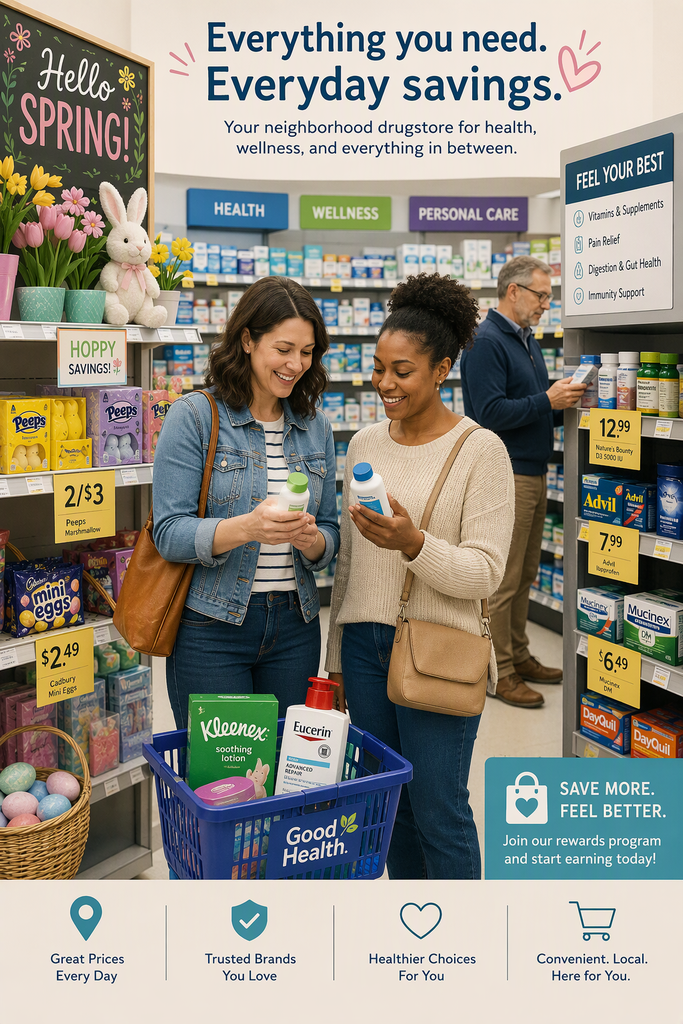
Drugstores are handy, but convenience pricing is real. If an item is not part of a promotion, you may pay more than you would elsewhere. This happens a lot with small treats, seasonal goods before markdowns, and health items like blood pressure checks that only become a deal under special offers.
Be careful with these purchases:
- Drugstore candy, unless you are buying after a holiday for a cheap candy fix.
- Christmas decorations before the season ends and markdowns begin.
- Party snacks when there is no buy-one-get-one deal.
- Over the counter allergy products that are not tied to Rite Aid-style rewards offers.
The pattern is simple: timing changes everything. Many of these items only make sense at clearance or during a featured promotion. If you do not see a discount, your grocery store or big-box retailer may be the safer bet.
When to Shop Elsewhere for Better Quality or Price
Sometimes the smartest move is to leave an item on the shelf. Drugstores are strongest in targeted categories, not across the whole store. If you are stocking up on pantry items, everyday snacks, or random home goods, another retailer may offer better value.
A grocery store usually makes more sense for routine food shopping, especially when you are buying larger amounts. The same goes for general low-cost basics, where a dollar store can sometimes beat standard drugstore pricing. The key is not assuming the nearest option is the cheapest one.
That said, exceptions do happen. Clearance prices can flip the math fast, especially on seasonal items or beauty products. So shop elsewhere for regular pricing, but stay open to drugstores when markdowns turn an average item into a standout deal.
Beginner’s Guide: How to Shop Smartly at Drugstores
If you are new to drugstore shopping, keep your system simple. Start with loyalty programs, then build your trips around sales and rewards. This gives you a clear path without feeling overwhelmed by signs, tags, and register offers.
Next, add manufacturer coupons and any store credit or rewards you earn. Many experienced savers, including shoppers who follow The Krazy Coupon Lady style of planning, focus on just a few high-value categories at first. In the sections below, you will see exactly how to set up that routine and keep more money in your pocket.
What You’ll Need to Get Started (Loyalty Programs, Coupons, Apps)
You do not need a huge system to start saving. A few basic tools can help you spot deals, collect rewards, and lower your total at checkout. Once you have them ready, drugstore shopping becomes much easier to manage.
Start with these essentials:
- A free account in the store’s rewards program for the chain you use most.
- As Mary Potter Kenyon, author of Coupon Crazy, advises, a store coupon from ads, receipts, or app-based deals can also help.
- A store coupon from ads, receipts, or app-based deals.
- The store app or digital ad so you can review promotions before leaving home.
- Your phone number, since many programs connect rewards to it.
That setup gives you a strong base. Instead of chasing every offer, you can focus on the deals that fit your real needs. Over time, loyalty programs and coupon habits work together to create more consistent savings.
Step-by-Step Guide to Making the Most Out of Your Drugstore Visit
A successful drugstore trip begins before you walk in. Check the weekly promotions, decide which items are truly worth buying, and bring any coupons or rewards you plan to use. That keeps you focused on the best deals instead of the loudest displays.
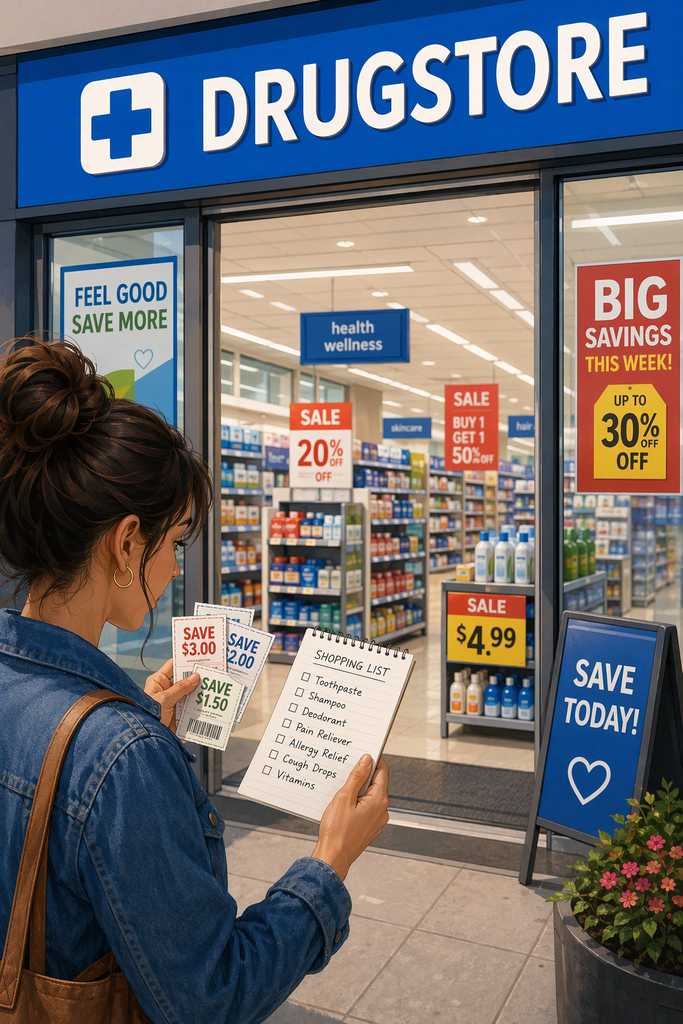
Once you are in the store, compare shelf tags with app offers and look for signs of extra rewards. Stick to products that either earn points, qualify for bonuses, or match coupons. This is how small purchases turn into meaningful savings over time.
At the cash register, enter your phone number and make sure every offer applies. Pay attention to printed rewards or coupons on the receipt, since they may help with your next trip. Sometimes that is how ordinary shopping turns into free stuff or near-free essentials.
Step 1: Sign Up for Rewards and Download Apps
Your first move should always be joining the store’s rewards program. Without that step, you can miss sale pricing, bonus offers, and receipt-based perks. It only takes a few minutes, and it sets up every future visit for better savings.
Walgreens shoppers should watch for benefits linked to Balance Rewards, including gift cards. CVS users should look at CVS ExtraCare Pharmacy options and how rewards connect to repeat purchases. In many cases, the app also helps you load digital deals before you arrive.
This matters because savings often show up after the first purchase, not before it. That is how programs can issue CVS Bucks-style rewards, store discounts, or follow-up coupons tied to what you buy most. If you want consistent value, start here and keep your account active.
Step 2: Plan Your Shopping List Around Weekly Deals
Do not build your trip around a random shopping list. Instead, start with the weekly ad and let the promotions guide what you buy. This is one of the easiest ways to avoid overpaying and stay focused on items that actually offer a sale price.
A smart shopper watches for repeat categories such as detergent, toothpaste, deodorant, and beauty items. If a product is not on promotion, it can wait. That simple habit helps you avoid the convenience markup that drugstores are known for.
Clearance can also shape your list. One example involved a marketing director, April Timko, who used orange-tag markdowns at Walgreens to try a new product in makeup without wasting money. That same idea works for lipstick, eyeshadow, nail polish, and other small extras you want to test affordably.
Step 3: Use Coupons and Stack Offers for Maximum Savings
This is where the biggest savings usually happen. Drugstores often reward shoppers who combine more than one offer on the same trip. If you only use one discount at a time, you may miss bigger discounts that are available right in front of you.
Try stacking offers like this:
- Pair a store coupon with manufacturer coupons on the same eligible item.
- Use your ExtraCare card or other rewards account so sale pricing applies.
- Save receipt offers and use them on your next purchase.
- Match coupons to weekly sale items instead of paying regular shelf price.
The goal is not to buy more than you need. It is to lower the cost of products you already use. This strategy works especially well on toothpaste, deodorant, razors, and other basics that show up often in promotions.
Step 4: Compare Private Label vs. Brand Name Products
Private label products deserve serious attention at the drugstore, especially in the medicine aisle. For many over-the-counter items, generic drugs are required to be as effective as brand-name versions, as Meaghan Brophy notes. That means the main function can be the same even when the packaging looks very different.
The biggest comparison point is the formula. In many cases, the active ingredients match, while differences may show up in appearance or inactive ingredients. For everyday needs like pain relief or antihistamines, that can make store options a very practical choice.
If you want better value, start by comparing labels rather than logos. A familiar brand can feel safer, but it is not always the smarter buy. When the key ingredients match, private label medicine often gives you a lower-cost answer without changing the main benefit you need.
Conclusion
In summary, mastering the art of shopping at drugstores can significantly enhance your retail experience. By understanding what makes these stores unique, identifying must-have items, and being aware of products to avoid, you can make informed decisions that save you both time and money. Additionally, utilizing loyalty programs, coupons, and strategic planning will elevate your shopping game, ensuring you get the best deals possible. So next time you visit your local drugstore, remember these tips to shop like a pro! If you’re ready to take your shopping skills to the next level, consider signing up for a free consultation with our experts for personalized advice.
Frequently Asked Questions
How can I find the best deals at major drugstore chains?
Start with the weekly ad, then sign up for each store’s rewards program before you shop to get the best prices. The best deals usually go to members who load digital offers, track promotions, and use programs like Balance Rewards or CVS ExtraCare. Also, check receipts for follow-up savings on your next visit.
Are store brand products at drugstores a good value?
Yes, many store brand items can be a better value, especially medicine. Generic drugs often use the same active ingredients as brand-name options, even if the packaging or inactive ingredients differ. If the label matches what you need, store versions are often the smarter budget pick.
What are the most popular drugstore beauty products?
Popular picks often include shampoo, body wash, makeup, and nail polish from the beauty section. An insider tip: Clearance shelves are also useful when you want to test a new product without overspending. If you have sensitive skin, start with lower-cost trial options and watch for discounts on personal care products.
Which household items are almost always cheaper at drugstores?
Drugstores often shine on household essentials during promotions that reflect America’s extreme obsession. Good examples include toilet paper, detergent, Kleenex tissues, toothpaste, and Halls cough drops. They are not always cheapest every day, but with rewards, coupons, and sale timing, these items can become strong value buys.
https://www.rd.com/author/clairenowak
https://mypharmacyandoptical.com/category/pharmacy-store-blog
https://doctor.webmd.com/doctor/binyam-dessie-cf808b1e-363d-4a96-bc3d-67640b020fba-overview
https://www.thekitchn.com/about/the-kitchn-commerce-guidelines