


Essential Diet & Fitness Tips for Effective Weight Loss

Key Highlights
Here are the essential takeaways from this guide on diet and fitness for weight loss:
- Combining a balanced diet with a consistent exercise routine creates a calorie deficit, which is crucial for effective weight loss.
- Focus on whole foods, including lean protein, whole grains, and healthy fats, while practicing portion control and mindful eating. For a personalized diet plan, aim for balanced meals that combine these food groups and adjust portion sizes based on your activity level, dietary needs, and weight loss goals. A well-rounded fitness plan should include cardiovascular exercise, strength training, and flexibility work to maximize fat loss and build muscle. For your workout routine, try combining moderate-intensity cardio (like brisk walking or cycling) with regular strength training sessions targeting all major muscle groups. Personalize your routine by gradually increasing intensity or duration according to your progress and fitness level.
- A well-rounded fitness plan should include cardiovascular exercise, strength training, and flexibility work to maximize fat loss and build muscle.
- Properly fueling your body before and after workouts enhances performance, aids recovery, and supports your fitness goals.
- Tracking your progress with apps and setting realistic goals are key to staying motivated on your long-term health journey.
Introduction
Are you ready to start your weight loss journey but feel overwhelmed by all the information out there? Achieving your fitness goals doesn’t have to be complicated. The key to success is finding the right balance between a healthy diet and regular exercise. This guide will provide you with essential tips to create a sustainable plan that works for you. We’ll explore how to combine a balanced diet with an effective fitness routine to help you achieve lasting results and embrace a healthier, happier lifestyle.
Understanding the Connection Between Diet and Fitness for Weight Loss
Embarking on a weight loss journey involves more than just cutting calories or hitting the gym occasionally. The most effective approach combines a healthy diet with a consistent exercise routine. This powerful duo works together to help you shed pounds, improve your overall health, and achieve lasting results.
When you pair proper nutrition with regular physical activity, you create a synergy that accelerates your progress. A healthy diet provides the fuel your body needs to perform, while exercise helps burn calories and build muscle. Let’s look at how nutrition and fitness work together to deliver significant health benefits.
How Nutrition Impacts Weight Loss and Physical Performance
Proper nutrition is the foundation of any successful weight loss plan. The food you eat directly impacts your energy levels, muscle strength, and ability to recover from physical activity. A balanced diet ensures your body receives the essential nutrients it needs to function optimally, helping you feel your best during workouts and throughout the day.
When you focus on nutrient-dense foods, you help regulate your blood sugar levels, which prevents energy crashes and reduces cravings for unhealthy snacks. This stability is vital for maintaining a consistent exercise schedule. Eating the right foods also supports a healthy metabolic rate, making it easier for your body to burn calories efficiently.
Ultimately, good nutrition isn’t just about weight loss; it’s about fueling your body for peak performance. Providing your muscles with the right building blocks from protein and energy from carbohydrates helps you build strength and endurance, making your fitness journey more effective and enjoyable.
The Role of Exercise in Effective Fat Reduction
While diet is crucial, an effective exercise routine is the catalyst for significant fat loss and body transformation. Physical activity helps you burn calories, which is essential for creating the calorie deficit needed to lose weight. It also offers numerous benefits that go beyond just the numbers on the scale.
Incorporating regular aerobic activity, such as running or cycling, elevates your heart rate and boosts your metabolic rate, helping your body burn fat more efficiently. Strength training is equally important because it builds lean muscle mass. Since muscle burns more calories at rest than fat, increasing your muscle mass helps you burn more calories throughout the day, even when you’re not working out.
A consistent exercise plan not only helps reduce your body weight but also improves your overall body composition by decreasing body fat and increasing muscle. This leads to a toned, stronger physique and supports long-term weight management.
Why Combining Diet and Fitness Boosts Results
Combining diet and fitness is the most effective strategy for achieving your health goals because they complement each other perfectly. Relying on diet alone may lead to weight loss, but you might also lose muscle mass, which can slow down your metabolism. On the other hand, exercising without changing your eating habits often results in minimal weight change because it’s hard to out-exercise a poor diet.
When you pair a healthy diet with a consistent fitness routine, you create a powerful synergy. The diet helps you create a calorie deficit, while exercise accelerates fat burning and builds lean muscle. This combination optimizes your body composition, helping you lose fat while preserving or even gaining muscle.
This dual approach also improves your overall fitness level and makes it easier to maintain your progress long-term. By aligning your nutrition with your physical activity, you provide your body with the tools it needs to transform, helping you reach your goals faster and more sustainably.
Crafting Your Balanced Meal Plan for Fitness Goals
Creating a balanced diet is fundamental to achieving a healthy weight and reaching your fitness goals. Thoughtful meal planning ensures you get the right nutrients to fuel your workouts and support recovery, all while promoting sustainable weight loss. A well-structured plan removes the guesswork and helps you avoid impulsive, unhealthy food choices.
By planning your meals, you can control your calorie intake and ensure your body receives a steady supply of energy. This approach not only aids in weight management but also provides numerous health benefits, from improved energy to better overall well-being. Let’s look at the key nutrients and strategies for building a meal plan that works for you.
Essential Nutrients for Weight Loss Success
To achieve your weight loss goals, it’s important to focus on consuming a variety of essential nutrients that fuel your body and promote satiety. A balanced intake of macronutrients—proteins, carbohydrates, and fats—is key. Lean protein is crucial for building and repairing muscle, which is especially important when you’re active.
Carbohydrates are your body’s primary energy source, so choosing complex carbs from whole grains will provide sustained energy for your workouts. Healthy fats, like those found in avocados and olive oil, are vital for hormone production and overall health.
Here are some key nutrients to include in your diet:
- Lean Protein: Chicken breast, fish, tofu, and legumes help build muscle and keep you feeling full.
- Whole Grains: Brown rice, quinoa, and oats provide sustained energy and fiber.
- Healthy Fats: Avocados, nuts, seeds, and olive oil support hormone function and overall health.
- Fruits and Vegetables: These are packed with vitamins, minerals, and fiber, and are low in calories.
Sample Meal Plans for Beginners
Starting a new healthy eating plan can feel daunting, but meal planning makes it much simpler. Having a basic structure helps you control your calorie intake and ensures you’re getting a balanced mix of nutrients. A good starting point is to aim for three main meals and one or two snacks per day to maintain energy levels and prevent overeating.
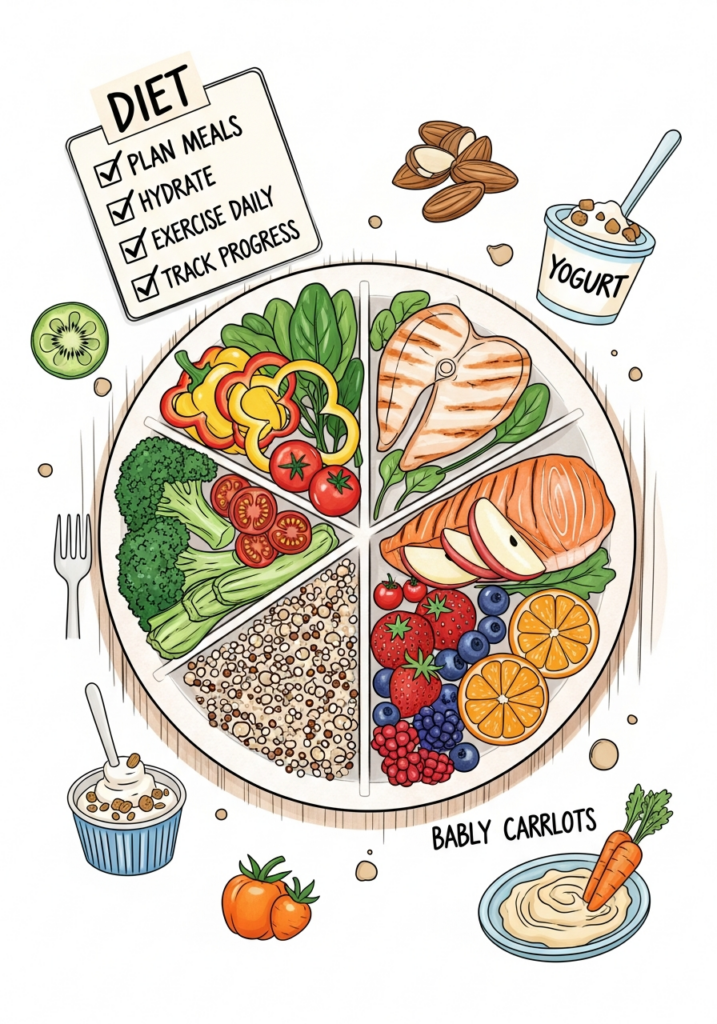
This approach to weight management focuses on whole foods and balanced portions. Remember to listen to your body’s hunger cues and adjust portion sizes as needed. A healthy diet doesn’t have to be complicated.
Here is a sample one-day meal plan to give you an idea:
| Meal | Food Item |
|---|---|
| Breakfast | Greek yogurt with berries and a sprinkle of nuts |
| Lunch | Grilled chicken salad with mixed greens and a vinaigrette dressing |
| Snack | An apple with a tablespoon of peanut butter |
| Dinner | Baked salmon with roasted sweet potatoes and broccoli |
Best Practices for Clean Eating
Clean eating is a simple approach to nutrition that focuses on consuming whole, unprocessed foods. It’s about choosing healthy food choices in their most natural state to nourish your body. This way of eating helps you avoid processed ingredients, added sugars, and unhealthy fats that can hinder your weight loss efforts and negatively impact your health.
Adopting a clean eating lifestyle can help stabilize your blood sugar levels, increase your energy, and improve your overall well-being. It also encourages mindful eating, where you pay more attention to what you eat and how it makes you feel. A balanced diet based on clean principles is a sustainable way to support your fitness journey.
Here are a few tips to get started:
- Prioritize whole foods like fruits, vegetables, lean proteins, and whole grains.
- Read labels and avoid foods with long lists of artificial ingredients.
- Cook more meals at home to control what goes into your food.
- Stay hydrated by drinking plenty of water throughout the day.
Making Smart Food Choices for Maximum Energy
The food you eat has a direct impact on your energy levels, especially when you have an active lifestyle. Making smart, healthy food choices ensures you have the fuel you need to power through workouts and recover effectively. Establishing healthy habits around your meals can also boost your metabolic rate and support your weight loss goals.
Certain recommended foods can make a big difference in how you feel before, during, and after exercise. Let’s explore the best foods to eat around your workouts, quick meal ideas for busy days, and the importance of staying hydrated.
Recommended Foods Before and After Workouts
Fueling your body correctly before and after exercise is key to maximizing your performance and supporting recovery. Before a workout, you want to consume carbohydrates for energy and a small amount of protein. This combination will give you the stamina to push through your session without feeling weighed down.
After your workout, your focus should shift to recovery. Consuming lean protein helps repair and build muscle, while carbohydrates replenish your depleted energy stores. This post-workout meal is crucial for improving your body composition over time by promoting muscle growth and repair.
Here are some great food options:
- Pre-Workout: A banana with peanut butter, a small bowl of oatmeal, or whole-grain toast.
- Post-Workout: A protein shake, grilled chicken with vegetables, or Greek yogurt with fruit.
- Healthy Fats: Incorporate sources like avocado or nuts into your meals to support overall health.
- Timing: Aim to eat your pre-workout snack 1-3 hours before exercise and your post-workout meal within an hour after.
Fast and Healthy Meal Ideas for Busy Schedules
A busy daily routine shouldn’t prevent you from sticking to a healthy eating plan. With a little preparation, you can have quick meals ready to go that are both nutritious and delicious. The key is to have healthy meal ideas on hand that don’t require a lot of time in the kitchen.
Meal prepping on the weekends is a great strategy. You can cook a batch of quinoa, grill some chicken, and chop vegetables to use in various meals throughout the week. Having these components ready makes assembling a healthy meal as fast as grabbing a processed snack.
Here are some fast and healthy meal ideas:
- Overnight oats with fruit and nuts for a quick breakfast.
- Pre-made salads in a jar with your favorite protein and dressing.
- Wraps with whole-grain tortillas, lean protein like turkey, and plenty of veggies.
- A stir-fry with pre-chopped vegetables and a quick source of energy like brown rice.
Hydration Tips to Support Fitness
Staying hydrated is one of the most important yet often overlooked aspects of fitness and health. Proper water intake is essential for nearly every bodily function, including regulating your metabolic rate and maintaining healthy blood pressure. When you’re engaging in physical activity, your hydration needs increase significantly.
Dehydration can lead to fatigue, dizziness, and decreased performance, making it difficult to get the most out of your workouts. Making a conscious effort to drink water throughout the day can boost your energy levels, aid digestion, and even help with weight loss by making you feel fuller.
Here are some simple hydration tips:
- Drink at least eight glasses of water per day, and more if you are active.
- Carry a reusable water bottle with you as a constant reminder to drink.
- Drink a glass of water before each meal to help with portion control.
- If you find plain water boring, add slices of lemon, cucumber, or berries for flavor.
Exploring Popular Diets for Fitness and Weight Management
When it comes to weight management, there are many popular diet plans to choose from, each with its own set of rules and benefits. From low-carb to high-protein approaches, it can be confusing to know which one is right for you. The best healthy diet is one that you can stick with long-term and that aligns with your fitness goals and lifestyle.
Understanding the principles behind different diets can help you make an informed decision. We’ll compare some popular options and discuss how you can tailor a plan to fit your individual needs.
Low-Carb vs. High-Protein: What’s Right for You?
Two of the most popular dietary approaches for weight loss are low-carb and high-protein diets. A low-carb diet focuses on limiting carbohydrates like bread, pasta, and sugar, which can lead to rapid weight loss as your body burns stored fat for energy. A high-protein diet emphasizes protein intake to promote satiety and preserve muscle mass, which is crucial during a calorie deficit.
Choosing between them depends on your personal preferences, lifestyle, and fitness goals. A high-protein diet may be ideal for those focused on building muscle, while a low-carb diet might appeal to individuals looking to quickly reduce their calorie intake from starches and sugars.
Here’s a simple comparison:
| Diet Type | Focus | Potential Benefits |
|---|---|---|
| Low-Carb | Limiting carbohydrates (grains, sugars, fruits) | Rapid initial weight loss, improved blood sugar control |
| High-Protein | Increasing intake of protein (meat, fish, eggs) | Increased satiety, preservation of muscle mass |
Intermittent Fasting and Its Effect on Exercise
Intermittent fasting (IF) is an eating pattern that cycles between periods of eating and fasting. Instead of focusing on what foods to eat, it concentrates on when you eat. This approach has gained popularity for its potential benefits in fat loss and metabolic health. When combined with an exercise routine, IF can be an effective tool for some people.
Exercising in a fasted state may encourage your body to burn more fat for energy. However, it can also impact your energy levels and performance. Some people feel great working out on an empty stomach, while others may experience fatigue or dizziness. It’s important to listen to your body and see what works for you.
Consider these points about intermittent fasting and exercise:
- Start slowly and see how your body responds to fasted workouts.
- Stay well-hydrated during fasting periods, especially around exercise.
- Schedule your workouts just before your eating window to refuel properly afterward.
Customizing a Diet Plan for Your Lifestyle
The most successful diet plan is one that is tailored to your unique lifestyle, preferences, and daily activities. A one-size-fits-all approach rarely works for long-term weight management because it doesn’t account for individual differences. Creating a personalized plan helps you build healthy habits that you can sustain over time.
Start by setting realistic goals and considering your daily schedule. Are you an early riser who needs a hearty breakfast, or do you prefer lighter meals throughout the day? Do you have time to cook every night, or do you need quick and easy options? Answering these questions will help you design a plan that fits seamlessly into your life.
Here’s how to customize your diet plan:
- Identify healthy foods you genuinely enjoy to make your plan more sustainable.
- Plan your meals around your daily activities and workout schedule for optimal energy.
- Be flexible and allow for occasional treats to avoid feeling deprived.
Building an Effective Fitness Routine for Weight Loss
An effective fitness routine is a cornerstone of any successful weight loss journey. While diet is important, physical activity is what helps you burn calories, build strength, and improve your overall health. A well-rounded plan should include a mix of different types of exercises to keep your body challenged and your mind engaged.
The right fitness routine combines aerobic exercise for heart health and calorie burn with strength training to build muscle and boost your metabolism. Let’s explore how to create a workout schedule that fits your needs and helps you avoid common pitfalls.
Cardio vs. Strength Training Benefits
When it comes to exercise for weight loss, the debate between cardio and strength training is common. The truth is, both are incredibly valuable and offer unique benefits. Cardiovascular exercise, or cardio, is excellent for burning calories and improving heart health. Activities like running, swimming, or cycling help you shed body fat and improve your endurance.
On the other hand, strength training is essential for building and maintaining muscle mass. More muscle means a higher resting metabolism, as muscle tissue burns more calories than fat tissue. This muscle growth helps you create a leaner, more toned physique and supports long-term weight management.
For the best results, a combination of both is ideal:
- Cardio burns more calories during the workout itself.
- Strength training boosts your metabolism, helping you burn more calories throughout the day.
- Combining them helps you lose fat, build muscle, and improve overall fitness.
Creating a Workout Schedule That Fits Your Needs
Consistency is key to achieving your fitness goals, and the best way to stay consistent is to create a workout schedule that fits your daily routine. A plan that is too ambitious or doesn’t align with your lifestyle is likely to be abandoned. Be realistic about how much time you can commit to physical activity each week.
Start by scheduling your workouts just like any other important appointment. Whether you prefer to exercise in the morning, during your lunch break, or in the evening, blocking out that time makes you more likely to stick with it. The goal is to make exercise a non-negotiable part of your week.
Here are some tips for creating your schedule:
- Aim for at least 150 minutes of moderate-intensity aerobic activity or 75 minutes of vigorous activity per week.
- Incorporate strength training sessions at least two days a week, targeting all major muscle groups.
- Include rest days in your schedule to allow your body time to recover and prevent burnout.
Avoiding Common Mistakes in Diet and Fitness Planning
When starting a weight loss journey, it’s easy to make mistakes that can derail your progress or even lead to health problems. One of the most common errors is setting unrealistic expectations. Expecting to lose a large amount of weight very quickly can lead to disappointment and burnout. Slow and steady progress is more sustainable and healthier in the long run.
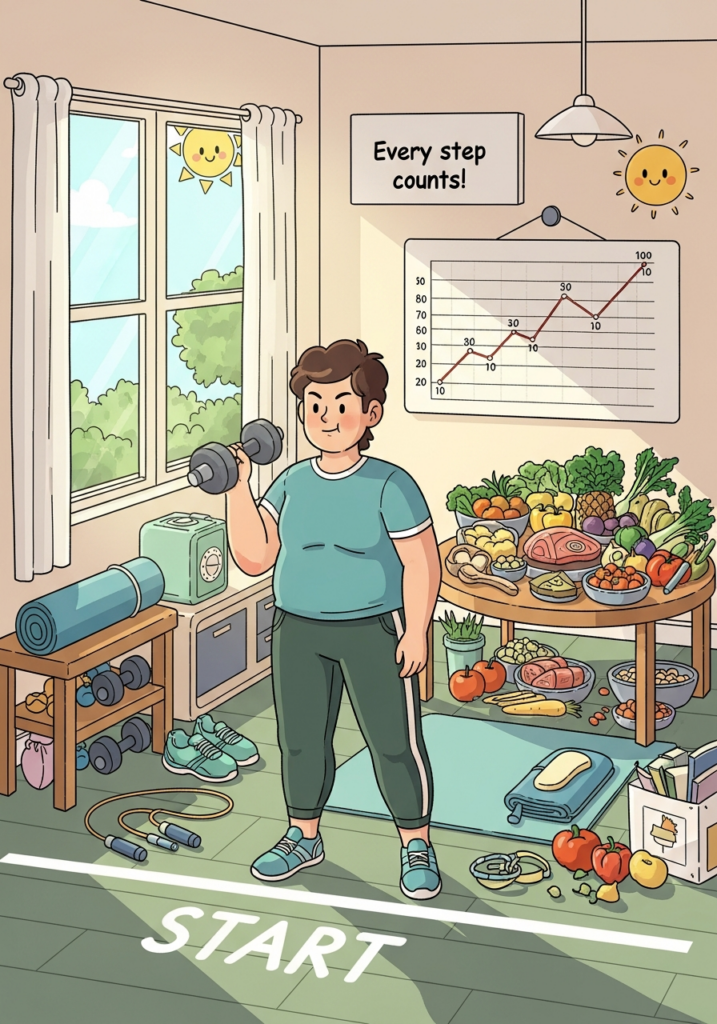
Another mistake is focusing solely on diet or exercise instead of combining them. An effective plan integrates both a balanced diet and a consistent exercise routine. Neglecting one will limit your results. It’s also important to listen to your body and not push yourself too hard, too soon, to avoid the risk of injury.
Avoid these common mistakes:
- Drastically cutting calories, which can slow your metabolism.
- Skipping rest days, which are crucial for muscle recovery.
- Doing only one type of exercise instead of a varied routine.
- Giving up after a setback instead of getting back on track.
Tracking Progress and Staying Motivated
Tracking progress is a powerful tool for staying motivated on your journey to a healthy weight. When you can see how far you’ve come, it’s easier to stay committed to your fitness goals. It’s not just about the number on the scale; tracking can include changes in your energy levels, how your clothes fit, and improvements in your strength and endurance.
Setting realistic goals and finding ways to celebrate milestones are essential components of a successful long-term plan. Let’s look at some effective ways to monitor your results and keep your motivation high.
Utilizing Apps and Tools for Monitoring Results
In today’s digital age, there are countless apps and tools available to help with tracking progress toward your health goals. These can make monitoring your food intake, workouts, and physical changes easier than ever. Many apps allow you to log the number of calories you consume and estimate your total daily energy expenditure (TDEE).
These tools can provide valuable insights into your habits and help you identify areas where you can make improvements. Whether you use a fitness tracker to count your steps or a food-logging app to monitor your diet, technology can be a great accountability partner on your journey.
Here are some ways to use apps and tools:
- Food tracking apps to monitor calorie and macronutrient intake.
- Fitness wearables to track steps, heart rate, and calories burned during workouts.
- Progress photo apps to visually document your body’s transformation over time.
Setting Realistic Fitness and Nutrition Goals
Setting realistic goals is fundamental to long-term success. If your goals are too ambitious, you may feel discouraged and give up. Your health goals should be specific, measurable, achievable, relevant, and time-bound (SMART). Instead of saying “I want to lose weight,” a better goal would be “I want to lose 1-2 pounds per week for the next three months.”
Your goals should also be tailored to your current fitness level and lifestyle. If you’re new to exercise, aiming to run a marathon in a month is not realistic. A better starting point would be to complete a 30-minute walk three times a week.
Here’s how to set realistic goals:
- Start small and gradually increase the intensity of your exercise program.
- Focus on performance-based goals, like lifting a heavier weight or running a faster mile, in addition to body weight goals.
- Break down large goals into smaller, more manageable steps to stay motivated.
Celebrate Milestones to Maintain Motivation
Recognizing and celebrating your achievements is a crucial part of maintaining motivation for the long term. Reaching milestones, no matter how small, reinforces your healthy habits and reminds you that your hard work is paying off. These celebrations serve as positive reinforcement, making you more likely to stick with your plan.
Your rewards don’t have to be extravagant. The key is to choose non-food rewards that make you feel good and align with your new healthy lifestyle. Celebrating your progress is also beneficial for your mental health, as it builds confidence and a positive mindset around your fitness journey.
Consider these ways to celebrate your milestones:
- Buy a new piece of workout gear you’ve been wanting.
- Treat yourself to a relaxing massage or a spa day.
- Plan a fun, active outing with friends or family, like a hike or a bike ride.
Conclusion
In summary, effective weight loss comes down to a harmonious blend of diet and fitness. By understanding how nutrition influences both your physical performance and overall health, you can make informed choices that support your weight loss journey. Creating a balanced meal plan, making smart food choices, and building a fitness routine tailored to your lifestyle are all essential components for success. Remember to track your progress, set realistic goals, and celebrate your milestones along the way. If you’re ready to take your first step towards a healthier you, get started today!
Frequently Asked Questions
What’s the best way to combine diet and exercise for weight loss?
The best way to combine diet and exercise for weight loss is to create a sustainable calorie deficit through a healthy diet while engaging in regular physical activity. Pair a balanced, nutrient-dense eating plan with a fitness routine that includes both cardio and strength training for optimal fat loss and muscle preservation.
How can I stick to my meal plan and exercise routine long-term?
To stick to your plan long-term, focus on building healthy habits that fit your lifestyle. Make meal planning a weekly routine, find exercises you enjoy, and set realistic goals. Consistency is more important than perfection, so if you have an off day, just get back on track.
Are there quick tips for busy people to eat healthy and stay fit?
For busy people, meal prepping quick meals on weekends can save time during the week. Opt for high-intensity interval training (HIIT) for efficient workouts. Always have healthy food choices like fruit, nuts, or yogurt on hand to avoid grabbing unhealthy snacks when you’re in a hurry.
https://order.store.mayoclinic.com/flex/mmv/livey01
https://order.store.mayoclinic.com/flex/mmv/SLEEP01
https://www.today.com/video/kick-off-april-2026-with-start-today-s-walking-challenge-260755525947
https://www.cdc.gov/physicalactivity/basics/measuring/index.html
https://www.today.com/video/tips-to-better-understand-the-perimenopause-transition-260755013949
https://www.youtube.com/channel/UC7snF15Idi7px6XujWe_h9A
https://www.healthline.com/nutrition/mediterranean-diet-meal-plan
https://www.heart.org/en/healthy-living/fitness/fitness-basics/target-heart-rates
https://www.myplate.gov/eat-healthy/what-is-myplate
https://www.cdc.gov/physical-activity-basics/guidelines/adults.html