
Understanding Acne Cause and Drugs Treatment Options

Key Highlights
- Acne is a common skin condition caused by clogged pores, excess oil, bacteria, and dead skin cells.
- The main causes of acne in teenagers and adults often include hormonal changes, oil production, stress, lifestyle triggers, and family history of acne.
- Different types of acne, such as hormonal acne and cystic acne, may need different acne treatment plans.
- Common treatments include benzoyl peroxide and other topical care for mild breakouts.
- Moderate to severe acne may need oral medications like antibiotics, birth control pills, spironolactone, or oral isotretinoin.
Introduction
Acne is a very common skin condition, but that does not make it any less frustrating. Whether you get a few pimples now and then or deal with ongoing breakouts, the right acne treatment can make a real difference. Many people want clearer skin but are unsure what causes acne or which treatments actually help. This guide explains the basics in simple terms, from causes and severity to drug and non-drug options that support healthier skin.
Understanding Acne and Its Impact
Acne is more than a surface-level skin condition. It can show up on the face, chest, shoulders, and back, often during the teen years, but adults get it too. Because it is so visible, it can affect how you feel each day.
For many teenagers and young adults, acne can hurt confidence and even affect mental health. It may lead to stress, social discomfort, and worry about acne scars. Understanding the condition is the first step toward choosing treatment options that fit your needs.
What Is Acne? Defining the Condition
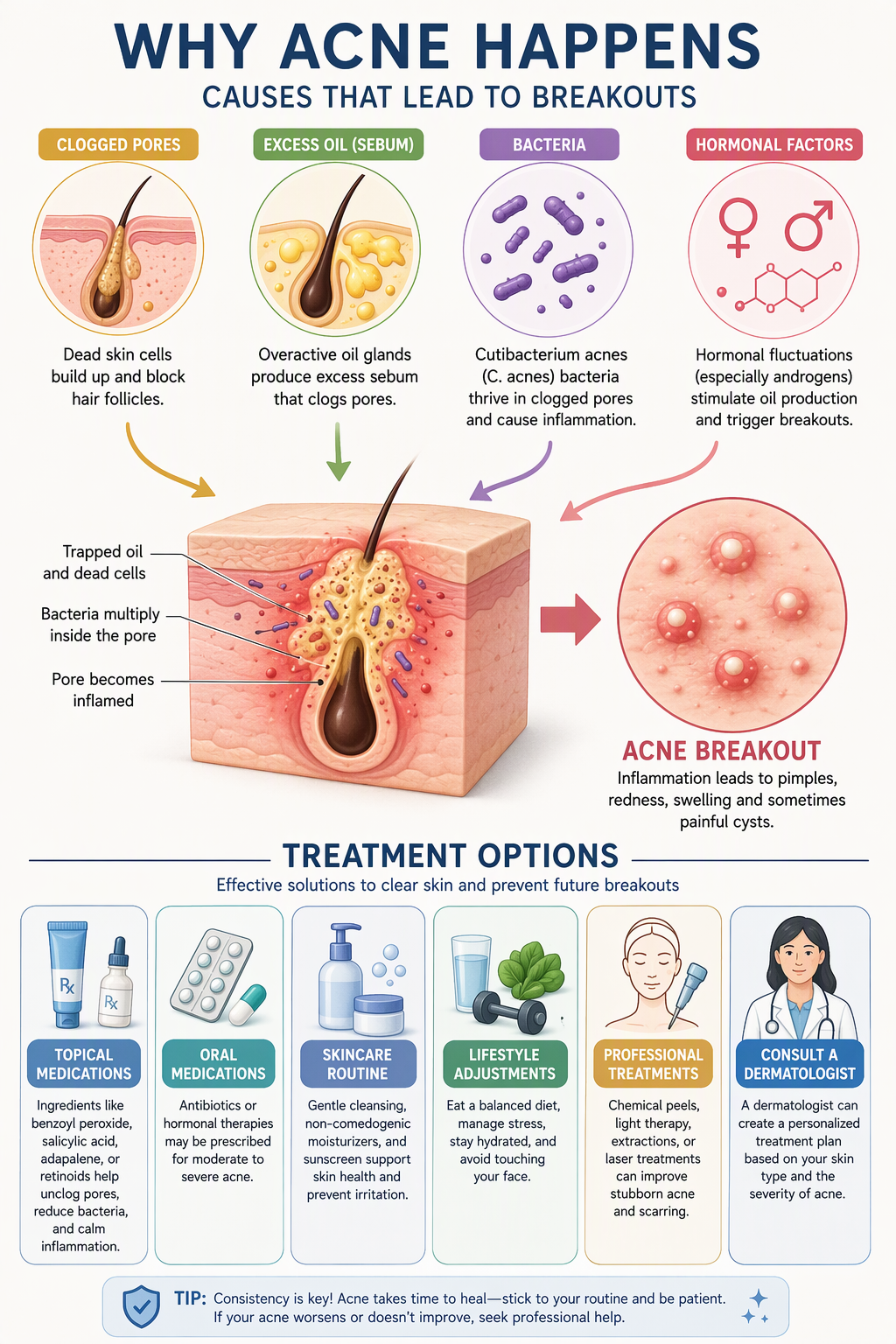
Acne is a common skin condition that happens when the pores in your skin become clogged. These clogged pores can turn into blackheads, whiteheads, papules, pustules, nodules, or cysts. Medically, it’s called acne vulgaris, and it is one of the most common skin concerns people face.
At the center of acne development is the hair follicle. Each hair follicle connects to oil glands that make sebum, a natural oily substance. When too much sebum mixes with dead skin cells and bacteria, the pore can block and form a pimple.
Not all acne looks or acts the same. Some forms are mild, while others are deeper, more painful, and more likely to scar. That is why the types of acne matter. A few small bumps may respond to simple care, while severe forms often need stronger treatment.
Common Types of Acne and How They Differ
There are several types of acne, and each one can behave differently. Some stay near the skin surface, while others form deep under the skin. The type of acne you have often helps guide treatment choices.
Here are a few common types of acne:
- Hormonal acne often affects adults and is linked to changes in hormone levels and extra oil production.
- Cystic acne causes deep, pus-filled lumps and has a higher risk of acne scars.
- Nodular acne creates hard, painful bumps under the skin and is considered severe acne.
- Fungal acne involves inflamed, itchy bumps linked to yeast in the hair follicle.
Because these breakouts differ in depth and severity, they do not always respond to the same approach. Mild blackheads may improve with topical care, while cystic acne and nodular acne often need professional treatment to lower the risk of permanent scarring.
Key Causes of Acne in Teenagers and Adults
Several factors can drive acne in both teenagers and adults. The most common causes include hormonal changes, increased oil production, dead skin cells, bacteria, and a family history of acne. These factors clog pores and start the breakout process.
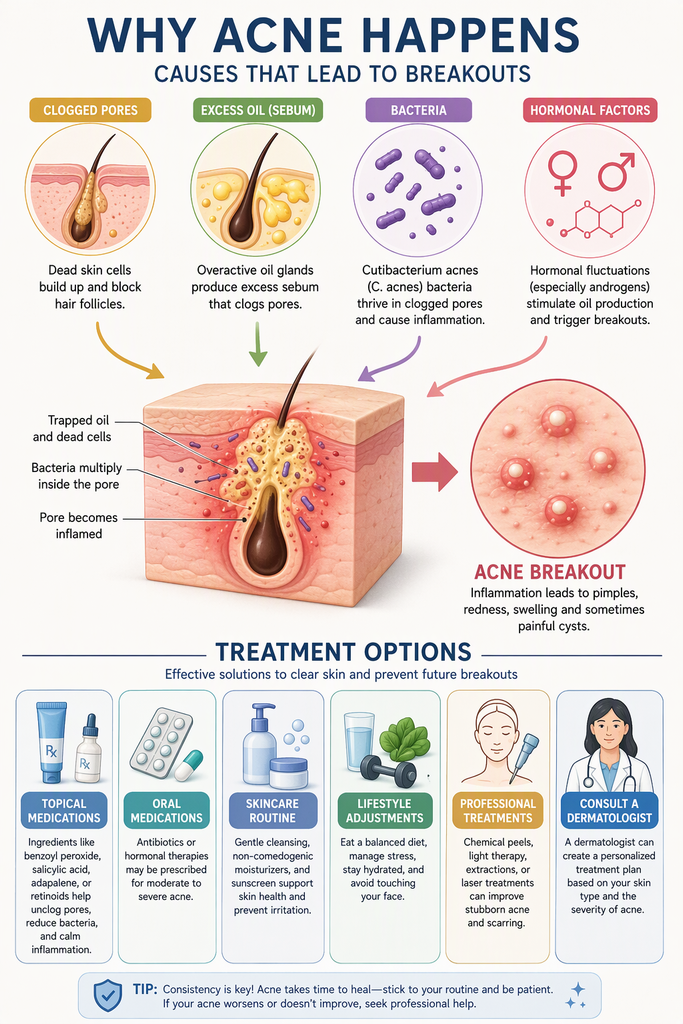
Your daily habits can also play a role. Lifestyle triggers, diet, stress, and certain skin care products may make acne worse for some people. Since causes vary from person to person, the next step is to look more closely at hormones and outside triggers.
Hormonal Influences and Their Role in Acne Development
Hormonal changes are one of the biggest drivers of acne. During the teen years and young adulthood, androgen hormones, especially testosterone, become more active. This can raise oil production, making pores more likely to clog and trigger breakouts.
For many women, hormonal acne can flare at certain times of the month. Changes in hormone levels during menstrual cycles may lead to breakouts around the same time again and again. Adult acne is also more common in women for this reason.
In some cases, irregular periods and acne may point to a deeper hormone issue, such as polycystic ovary syndrome. When acne appears suddenly, becomes severe, or follows a strong monthly pattern, it is worth discussing with a healthcare provider. Hormones are not the only cause, though, so daily triggers matter too.
Lifestyle, Diet, and Environmental Factors Affecting Acne
Beyond hormones, outside factors can worsen acne. Stress may raise cortisol levels, and that can make breakouts more likely. Heavy or greasy skin care products, high humidity, and friction from hats or helmets may also lead to skin irritation and clogged pores.
A few common triggers include:
- Diet patterns high in sugar, plus foods like skim milk or whey protein for some people
- Oily skin care products or heavy creams that sit on the skin
- Sweat, tight clothing, or delayed washing after physical activity
- Picking at pimples, which can increase irritation and make healing slower
These triggers do not affect everyone the same way. Still, noticing patterns in your routine can help. If breakouts keep returning, a dermatologist may assess whether your acne is mild, moderate, or severe before choosing treatment options.
Diagnosing Acne Severity and Treatment Needs
Before choosing treatment, a provider looks at how serious your acne is. Severity matters because severe acne brings a higher risk of permanent scarring and often needs stronger care than mild breakouts. The goal is to protect your skin health early.
A diagnosis usually starts with a skin exam and questions about symptoms, stress, family history, menstrual patterns, and current medications. Once acne is graded, treatment options become clearer. The next sections explain how dermatologists make that decision and when you should seek help.
Steps in Evaluating Acne by Dermatologists
Dermatologists usually begin with a close look at your skin. They check the symptoms of acne, where the breakouts appear, and whether you have blackheads, whiteheads, papules, pustules, nodules, or cysts. They also ask about stress, family history, menstrual cycles, and any medications you take.
In many cases, no lab testing is needed. The provider focuses on what they can see and on your history. They also consider whether pore clogging, inflammation, and skin cell turnover are contributing to the problem. Guidance from groups such as the American Academy of Dermatology supports this practical approach.
| Evaluation Step | What Dermatologists Look For |
|---|---|
| Skin exam | Type, number, and depth of blemishes |
| History review | Stress, family patterns, periods, medications |
| Severity grading | Mild, moderate, moderately severe, or severe acne |
| Treatment planning | Risk of scars, affected areas, and best next step for expert skin care |
When to Seek Professional Help for Acne
Sometimes home care is not enough. If your acne breakouts are painful, deep, or not improving, it may be time to see a professional. Early treatment matters because severe acne can leave marks and increase the risk of permanent scarring.
You should consider professional help if:
- Your breakouts include nodules or cysts
- Over-the-counter care is not helping after consistent use
- Your treatment causes strong irritation, discoloration, or discomfort
Another reason to reach out is emotional strain. If acne affects your confidence or keeps you from social activities, that matters too. A provider can help you work toward clear skin with a treatment plan that fits the type and severity of your acne.
Overview of Drug Treatment Options for Acne
Drug treatment options for acne usually fall into two groups: topical treatments and oral medications. Topical products are applied to the skin and often include benzoyl peroxide, salicylic acid, azelaic acid, retinoids, or antibiotics. These are often used for mild to moderate acne.
When acne is more stubborn or severe, prescription oral medications may be needed. These can target bacteria, oil glands, or hormones from the inside. To understand which option fits best, it helps to compare how prescription pills and topical products work.
Prescription Oral Medications: How They Work and Who Needs Them
Prescription oral medications are usually considered for moderate to severe acne, especially when topicals are not enough. They work through the whole body rather than just on the skin surface. This makes them useful for widespread, inflamed, or hormone-linked breakouts.
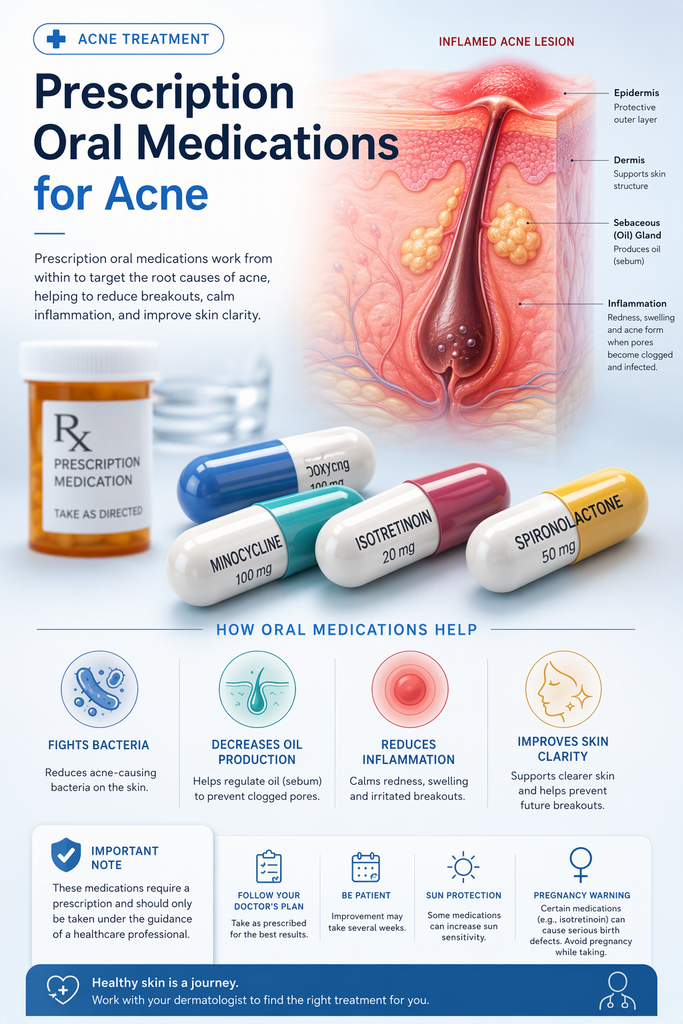
Common choices include oral antibiotics such as doxycycline and minocycline, which target bacteria and reduce inflammation. Oral isotretinoin is used for severe nodular acne because it shrinks oil glands. For some women, oral contraceptives or birth control pills may help by lowering hormone-related oil production. Spironolactone may also be used in women with stubborn hormonal acne.
| Oral Medication | How It Helps |
|---|---|
| Oral antibiotics | Reduce acne-causing bacteria and inflammation |
| Oral isotretinoin | Shrinks oil glands and treats resistant nodular acne |
| Oral contraceptives | Lower hormone-driven oil production in some women |
| Spironolactone | Blocks androgen effects linked to hormonal acne |
Topical Treatments for Acne: Options and Efficacy
Topical treatments are placed directly on the skin and are often the starting point for acne care. They help by clearing pores, reducing bacteria, lowering inflammation, or improving skin cell turnover. Many people with mild or moderate acne do well with this approach.
Common topical treatments include:
- Benzoyl peroxide, which targets surface bacteria and is available in washes or gels
- Salicylic acid, which helps remove damaged surface skin and clear clogged pores
- Azelaic acid, which reduces swelling and microorganisms on the skin
- Topical retinoids, which help prevent clogged pores and support skin cell turnover
These products work on the acne-affected area rather than throughout the whole body. They often need consistent use for weeks or even months. Some can irritate the skin at first, so starting carefully and following directions is important for better results.
Important Considerations and Side Effects of Acne Medications
Acne medications can help a lot, but they can also cause side effects. Common issues include skin irritation, peeling, and dry skin, especially with stronger topical products. Oral treatments may cause other problems depending on the drug and how long you take it.
This is why treatment should be matched to your needs and monitored over time. Long-term use raises extra concerns, especially with antibiotics. It is also important to know that some medications outside acne care may trigger breakouts instead of clearing them.
Risks of Long-Term Use and Antibiotic Resistance
Long-term acne treatment needs careful follow-up. Some acne medications can dry or irritate the skin, while others have body-wide risks. The chance of side effects depends on the specific medicine, the dose, and how long it is used.
A major concern with oral antibiotics is antibiotic resistance. If antibiotics are taken for too many weeks of use or used too often, bacteria may stop responding as well. That is why providers usually prescribe them for shorter periods rather than as an ongoing fix. Guidance used by the American Academy of Dermatology supports careful, limited antibiotic use.
Isotretinoin also needs close monitoring because it can cause severe dryness and other serious effects, including severe birth defects. No matter the drug, your provider should review progress and side effects regularly so treatment stays both effective and safe.
Identifying Drugs That May Worsen or Trigger Acne
Yes, some medications can play a role in acne development or make an existing skin condition worse. During evaluation, providers often ask what medicines you take because drug administration history can offer useful clues, especially if breakouts started suddenly.
Examples worth discussing with your provider include:
- Medications that list acne or rash-like breakouts as side effects
- Hormone-related drugs that may affect oil production
- Certain medicines also used for high blood pressure, depending on the situation and the person taking them
This does not mean you should stop a prescription on your own. Instead, bring a full medication list to your appointment. Your provider can decide whether a drug may be contributing and whether a safer adjustment or acne-specific treatment is needed.
Non-Drug Alternatives for Managing Acne
Not every acne plan starts with medication alone. Good skincare routines, simple home remedies, and practical lifestyle adjustments can support skin health and help reduce flare-ups. These steps are especially useful for mild acne or as part of a broader treatment plan.
You cannot always prevent acne completely, especially during hormone changes, but you can lower common triggers. The next two sections cover daily care habits and prevention strategies that may help you manage symptoms more effectively at home.
Skincare Routines and Home Remedies
Simple skincare routines can make a big difference. Home remedies will not erase every breakout, but they can support treatment and reduce irritation. The goal is to keep skin clean, avoid clogging pores, and protect the skin barrier.
Helpful daily steps include:
- Wash your skin at least once a day with warm water and a gentle cleanser
- Cleanse after sweating or exercise
- Use oil-free, noncomedogenic skin care products and moisturizer
- Remove makeup before bed and keep hands away from your face
Just as important, avoid picking, popping, or squeezing pimples. That raises the chance of marks and slows healing. If these home remedies do not improve your acne after steady use, a healthcare provider can help you move toward clearer skin with stronger treatment options.
Lifestyle Adjustments and Prevention Strategies
Daily choices can influence breakouts, even if they are not the only cause. Good prevention strategies focus on reducing triggers that clog pores or irritate the skin. Small changes can support skin health over time.
Stress management matters because stress may raise hormones linked to breakouts. Diet may also be relevant for some people, especially if you notice patterns with high-sugar foods, skim milk, or whey protein. A balanced eating plan with fruits and vegetables may be helpful.
Physical activity is good for overall health, but sweat left on the skin can be a problem. Wash after exercise, avoid tight gear when possible, and choose gentle skin products. These habits will not cure acne alone, but they can lower flare-ups and support other treatments.
Conclusion
In conclusion, understanding the causes of acne and exploring various treatment options are crucial steps in managing this common skin condition effectively. From hormonal influences to lifestyle factors, recognizing the underlying issues can lead to better outcomes. With several drug treatments available, it’s equally important to be aware of potential side effects and consider non-drug alternatives. Prioritizing a tailored skincare routine and adopting preventive measures can significantly contribute to healthier skin. Remember, seeking professional advice is key, especially if acne becomes persistent or challenging to manage. If you’re looking for personalized guidance, don’t hesitate to reach out for a free consultation with our skincare experts today!
Frequently Asked Questions
Can certain medications cause acne to get worse?
Yes, some medications can contribute to acne development or make a skin condition worse. That is why drug administration history is part of an acne evaluation. If your breakouts began after starting new medications, talk with your provider before making any changes on your own.
How do dermatologists choose the right drug treatment for acne?
Dermatologists choose the right treatment by looking at acne type, severity, scarring risk, symptoms, and the needs of patients. They also review medical history and current medications. This careful approach supports clinical excellence and helps more patients feel informed, supported, and satisfied with care.
Are there safe, non-drug ways to manage persistent acne?
Yes, safe non-drug steps include steady skincare routines, gentle cleansing, washing after physical activity, using oil-free products, and watching possible diet triggers. These home remedies can support clear skin, though persistent acne may still need professional treatment if it does not improve.