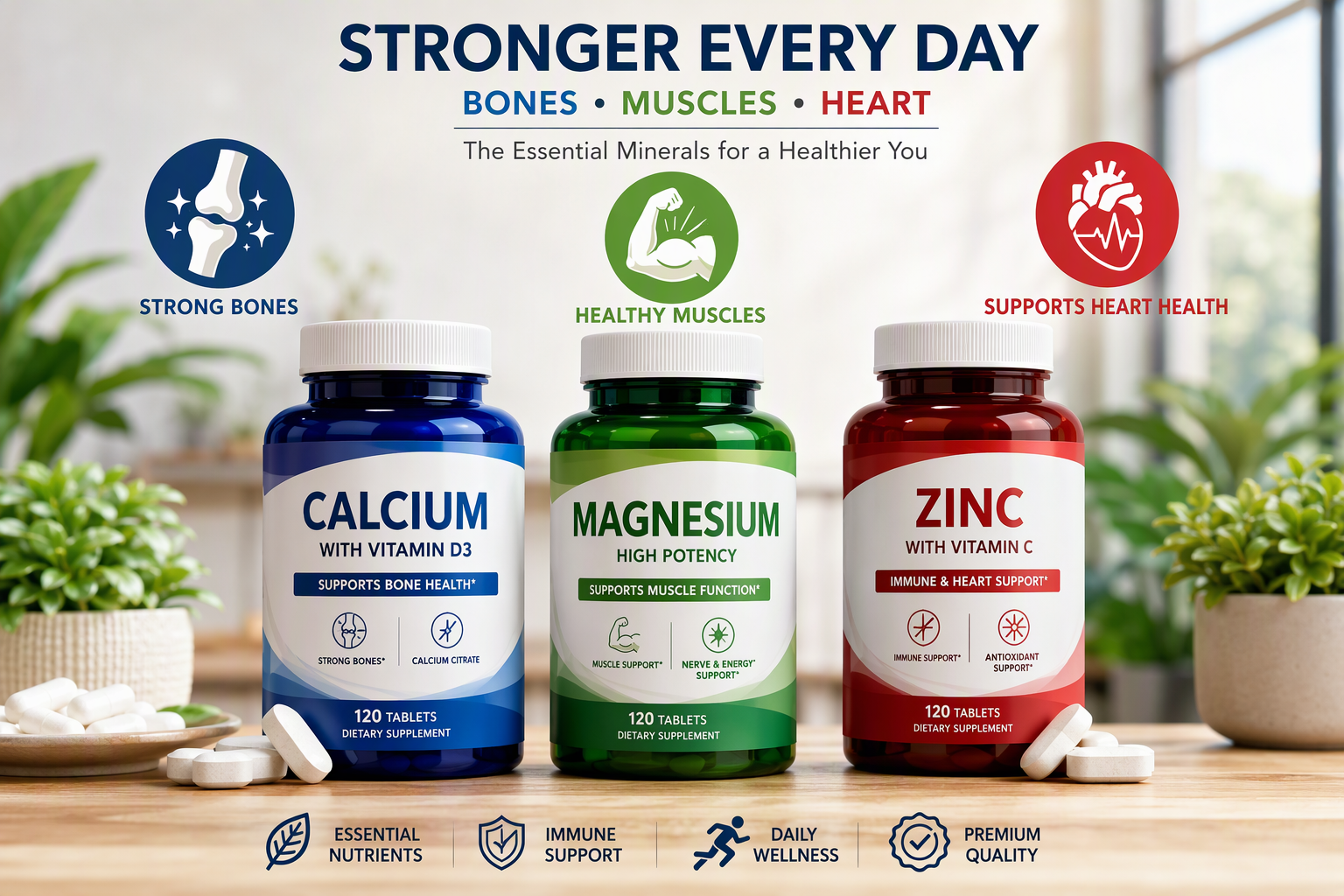

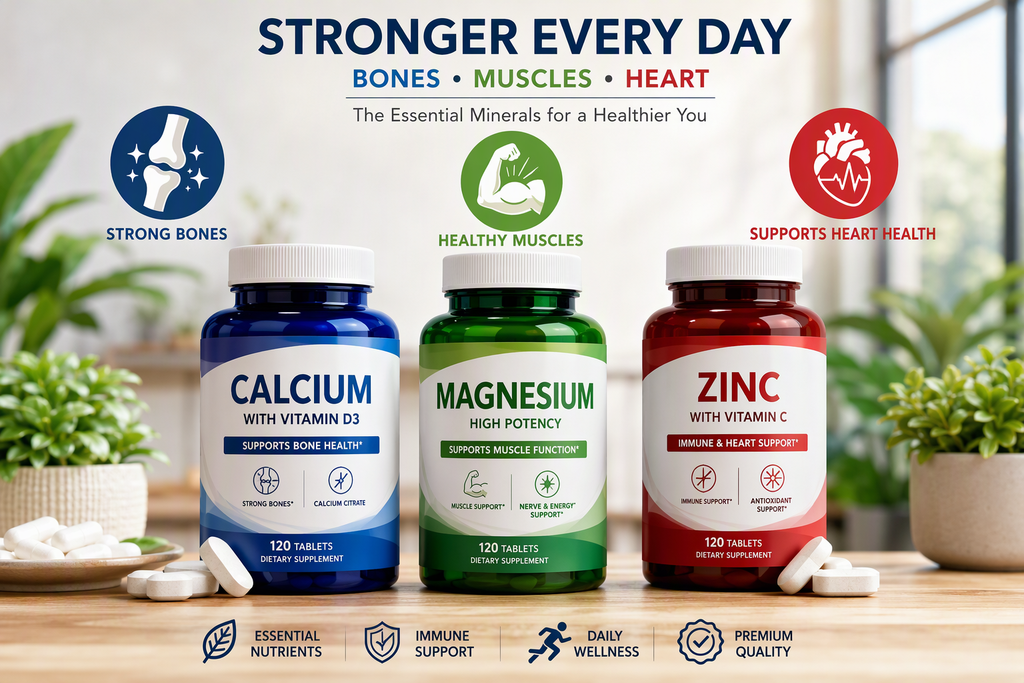
Discover the Benefits of Calcium Magnesium and Zinc Supplements
Key Highlights
- Calcium supplements can help support bone health, especially when your diet falls short.
- Magnesium supplementation plays a part in muscle balance, relaxation, and vitamin D activation.
- Zinc supplements support the immune system, wound healing, and normal cell function.
- Together, these minerals may aid sleep quality, mood, and blood sugar control.
- A combined supplement can be useful, but food sources still matter.
- Safe use depends on proper timing, label directions, and avoiding high doses.
Introduction
Calcium magnesium zinc formulas have become popular because these essential minerals support many basic functions in your body. You may know calcium for bones, but magnesium and zinc also play important roles in muscle activity, immune health, and sleep quality. A combined supplement can help increase intake when your diet is lacking. If you have wondered about the real health benefits, possible side effects, and how to use these minerals wisely, this guide will walk you through the basics in simple terms.
Understanding Calcium, Magnesium, and Zinc Supplements
Calcium magnesium zinc products are mineral supplements that bring three widely used nutrients into one formula. Many people choose this combined supplement to support bone density, general wellness, or daily intake when food choices are limited.
You can get calcium magnesium zinc from dietary sources, but supplements are often used for convenience. Research on the exact combined supplement is limited, yet the individual minerals are well studied. That is why these products are often chosen by people looking for practical support in several areas of health at once.
Key roles of calcium, magnesium, and zinc in the body
Your human body uses these minerals in different but connected ways. Calcium is best known for helping maintain strong bones. Magnesium supports muscle function and helps your body handle many internal processes. Zinc is important for immune function and wound healing. When you get enough of all three, they help support normal daily function instead of working in isolation.
Here is a simple way to view their jobs:
- Calcium helps build and maintain strong bones.
- Magnesium supports muscle function and may help with blood pressure balance.
- Zinc supports immune function and tissue repair.
- Each mineral contributes to normal cell activity in the body.
Together, they work as a team. Calcium provides structure, magnesium helps regulate important reactions, and zinc supports repair and defense. That is how calcium, magnesium, and zinc work together in the body to support both structure and function.
How these minerals work together for optimal health
These minerals are often paired because each one has a crucial role that supports the others. Magnesium helps activate vitamin D, which assists calcium absorption. Zinc contributes to bone tissue and immune support. When your magnesium intake and zinc intake are adequate, your body is better positioned to use calcium effectively.
Taken together in dietary supplements, they may support:
- Bone strength and bone density
- Immune health and wound healing
- Sleep quality, mood, and blood sugar control
So, what are the main health benefits of taking calcium, magnesium, and zinc together? Based on available information, the biggest areas are bone support, immune response, metabolic wellness, and possible help with rest and relaxation. Even so, results depend on your diet, your needs, and whether you actually have a shortfall.
Essential Health Benefits of Calcium, Magnesium, and Zinc
The most talked-about health benefits of these minerals involve bones, sleep, immune defense, and blood sugar support. Calcium stands out most clearly for bone health, while magnesium and zinc show broader effects in areas such as relaxation, inflammation, and immune response.
Still, benefits are more likely when your intake is low to begin with. If you already get adequate calcium and enough magnesium and zinc from food, you may not notice much difference. On the other hand, magnesium deficiency or a need for zinc supplementation can make support more meaningful.
Bone strength and density support
Bone health is where this combination gets the most attention. Calcium is the main mineral stored in your bones, so daily intake matters. Zinc helps support bone-building cells and contributes to the mineral part of bone tissue. Magnesium helps your body activate vitamin D, which supports calcium absorption. That partnership is why many people use calcium supplements with these added minerals.
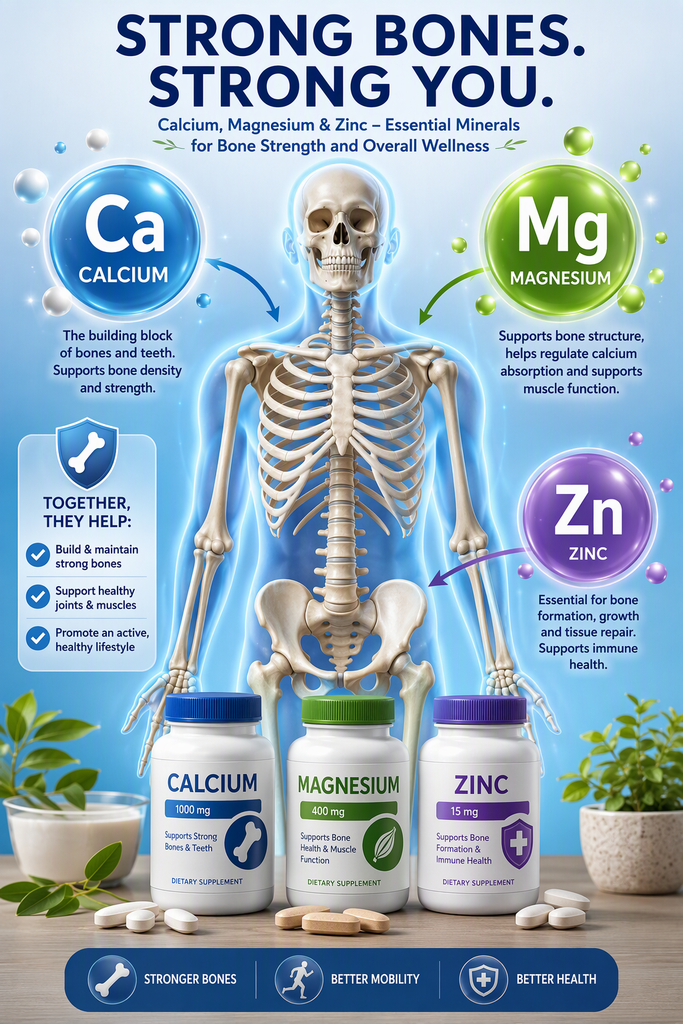
This can be especially relevant for older adults, who may be more focused on preserving bone density and bone strength over time. Your bones are constantly being renewed, so steady intake matters more than occasional use.
| Mineral | How it supports bone health |
|---|---|
| Calcium | Provides the main mineral structure needed for bone strength |
| Magnesium | Helps activate vitamin D and supports calcium absorption |
| Zinc | Supports bone tissue formation and helps limit bone breakdown |
So, how do calcium, magnesium, and zinc support bone health? They help from different angles: structure, absorption, and renewal.
Muscle function, mood, and sleep quality
Magnesium is especially important for muscle function and relaxation. It also appears to support the parasympathetic nervous system, which helps your body settle down. That calming role may explain why magnesium supplementation is often linked with better rest and reduced feelings of anxiety in some people, though findings are still mixed.
Potential areas of support include:
- Muscle function and physical relaxation
- Sleep quality and easier wind-down at night
- Blood pressure support and stress response balance
Can calcium, magnesium, and zinc supplements improve sleep quality? They may help, especially magnesium and zinc, but the evidence is not fully consistent. Some older adults in one study fell asleep faster and slept better with a daily combination that included zinc, magnesium, and melatonin. Still, stronger research is needed before making firm claims.
Additional Ways These Minerals Promote Well-being
Beyond bones and rest, these minerals may support broader immune health and metabolic wellness. Zinc has a direct role in immune cell function and tissue repair, while magnesium appears to help with inflammation and stress-related balance.
That matters because long-term strain on the body can affect your immune response and daily energy. Magnesium deficiency has been linked to chronic inflammation, and zinc intake may help support the body during infection or recovery. Next, let’s look at how these nutrients may influence immunity, stress, heart health, and blood sugar handling.
Impact on immunity and stress management
Your immune system depends on enough nutrients to function normally. Zinc is especially important for immune support because it helps with the development and activity of immune cells. It also supports wound healing, which is another reason it is often included in combination formulas.
Magnesium may help with stress management in a different way. It has been associated with lower markers of chronic inflammation, and low magnesium levels have been linked with more ongoing inflammatory stress. That makes it relevant for both immune response and day-to-day recovery.
Who should consider taking calcium, magnesium, and zinc supplements?
- People who may not get enough through food
- Older adults focused on bone and immune support
- Anyone concerned about a possible deficiency who plans to speak with a healthcare provider
These supplements are not automatically necessary for everyone, but they can be useful in the right situation.
Support for heart health and metabolic wellness
Some of the strongest non-bone findings involve metabolic wellness. Zinc supplementation has been linked with better glycemic control, including improvements in insulin, blood sugar levels, and long-term blood sugar markers. Magnesium also appears to help the body use insulin more effectively, which may support healthier glucose handling.
Areas of possible benefit include:
- Blood pressure support
- Better blood sugar levels and blood glucose control
- Help with insulin resistance and diabetes prevention efforts
Can taking these supplements improve sleep quality? Possibly, but their clearer role here is metabolic wellness, especially for magnesium and zinc. Calcium is not strongly tied to these effects in the same way. If your goal is blood sugar control or blood pressure support, these minerals may help most when intake is low or needs are higher.
Safe Usage, Dosage Guidelines, and Supplement Tips
Using these supplements safely starts with realistic expectations and careful label reading. While many people tolerate them well, the right amount matters. Taking more is not better, especially when high doses can lead to side effects or reduce absorption of other nutrients.

It also helps to remember that calcium can compete with magnesium and zinc for absorption. For some people, spacing minerals out may make sense. In the next sections, you’ll see practical dosage guidelines, proper timing tips, and signs that may point to a deficiency.
Recommended daily intake and proper timing
If you are asking, what is the recommended daily dosage for calcium, magnesium, and zinc, the common amounts listed for these combined products are fairly clear. Typical daily totals are about 1,000 mg of calcium, 400 to 500 mg of magnesium, and 15 to 50 mg of zinc. Many products reach those amounts through two or three capsules a day.
For better proper timing, keep these points in mind:
- Follow the label instead of guessing
- Spread doses through the day if the product suggests it
- Avoid high doses beyond the package directions
This matters because too much can raise the risk of side effects. It is also worth remembering that calcium may compete with the other minerals for absorption. If deficiency is a concern, some people may be advised to separate these nutrients rather than take them all at once.
Recognizing signs of deficiency and who may need supplementation
Not everyone needs a supplement, but some signs can suggest that intake may be too low. What signs might indicate a deficiency in calcium, magnesium, or zinc? Based on the information available, possible clues include muscle issues, lower immune function, and general symptoms such as loss of appetite.
You may want to pay attention to:
- Muscle cramps or weakness that could relate to magnesium deficiency
- Loss of appetite, which can appear with zinc deficiency
- Ongoing bone health concerns, especially in older adults
Some people may also think about supplementation if they are concerned about insulin resistance, poor dietary intake, or long-term gaps in nutrition. Still, symptoms can have many causes. The best next step is to talk with a healthcare provider who can evaluate your levels and guide you on whether food changes or supplements make more sense.
Combining Calcium, Magnesium, and Zinc with Other Nutrients
Calcium magnesium zinc products are often discussed alongside vitamin D because these nutrients do not work in isolation. In particular, magnesium helps activate vitamin D, and vitamin D supports calcium absorption. That connection can influence the overall effects of calcium in the body.
Food sources also matter when you build your routine. Even if you use supplements, meals can help fill nutritional gaps and support steadier intake. Up next, we’ll look at why vitamin D is often paired with these minerals and how supplements compare with everyday foods.
The benefits of pairing with vitamin D
Vitamin D is often paired with these minerals for a simple reason: it supports calcium absorption, and magnesium helps activate vitamin D into the form your body can use. That makes the combination especially relevant for bone tissue and bone strength goals.
Potential benefits of pairing them include:
- Better calcium absorption
- More complete support for bone tissue
- Added support for immune health
Should you take calcium, magnesium, and zinc with vitamin D for better results? In many cases, that pairing makes sense because their roles are connected. If your focus is bone health, vitamin D can be a helpful partner. Even so, it is still wise to follow product directions and ask a healthcare provider if you are unsure how to combine supplements safely.
Food sources vs. supplements: What’s best for you?
For most people, food sources are the first place to start. Calcium can come from dairy, legumes, canned fish, and leafy vegetables. Magnesium is found in nuts, avocados, dark chocolate, legumes, and leafy vegetables. Zinc can come from meat, legumes, dark chocolate, and some plant foods. These dietary sources provide more than just minerals.
Mineral supplements can still help when food intake is not enough. Some people may choose forms such as calcium citrate, especially when comparing products. The best option depends on your diet, your goals, and whether a deficiency is likely.
A practical approach is this:
- Use food sources as your foundation
- Add supplements only when intake is low
- Consider taking supplements with meals if the label suggests it
If you are deciding what is best for you, consistency and suitability matter more than chasing the most complicated routine.
Potential Side Effects and Precautions
These supplements are usually well tolerated when used as directed, but side effects can happen, especially with high doses. Even when a combined formula seems convenient, more is not always better. Your body still has limits for what it can handle comfortably.
The main concern is that various adverse effects have been reported with moderate to high amounts of the individual minerals. Calcium overdose is also linked with kidney stones and a higher risk of heart disease. That is why caution, timing, and professional advice matter.
Common reactions to watch for
Are there any side effects of taking calcium, magnesium, and zinc supplements? Yes, especially if intake climbs too high. While combined products themselves have not shown a unique set of problems, the individual minerals can cause unwanted reactions when used in moderate or high doses.
Common side effects to watch for include:
- Nausea, vomiting, or stomach cramps
- Diarrhea or constipation
- Headaches, weakness, numbness, or tingling
Calcium deserves extra care because excessive intake has been linked with kidney stones and a higher risk of heart disease. If symptoms appear, lowering your dosage and speaking with a healthcare provider is a smart step. Sticking to the package directions is the easiest way to reduce the chance of problems.
Who should consult a healthcare professional before use?
Some people should be more cautious before starting any new supplement. If you have pre-existing conditions, unexplained symptoms, or concerns about deficiency, checking with a healthcare provider first is a safer move than self-dosing.
This is especially worth considering for:
- Older adults managing bone density or multiple medications
- People with pre-existing conditions or a history of kidney stones
- Anyone comparing studies and personal needs, including groups like ICU nurses mentioned in sleep research
Who should consider taking calcium, magnesium, and zinc supplements? People with low dietary intake or possible deficiency may benefit most, but that decision should be individualized. A healthcare provider can help you avoid guesswork, choose proper timing, and decide whether a supplement is even necessary.
Conclusion
In conclusion, incorporating calcium, magnesium, and zinc supplements into your health regimen can offer a multitude of benefits. From supporting bone strength and muscle function to enhancing mood and sleep quality, these minerals play pivotal roles in maintaining overall well-being. Additionally, understanding how they work synergistically can help you maximize their advantages. As you consider adding these supplements to your diet, remember to be mindful of proper dosage and potential side effects. If you’re unsure about how to start or want personalized advice, don’t hesitate to reach out for a free consultation. Prioritize your health today and discover the positive impact these essential minerals can have on your life!
Frequently Asked Questions
Is it better to take calcium, magnesium, and zinc with or without food?
Calcium magnesium zinc can often be taken with food, which may be easier on your stomach and fit better into proper timing during the day. Since these are dietary supplements, follow the label directions. Food sources remain important, and absorption can vary depending on the mineral form and your individual needs.
Can taking these supplements improve sleep quality?
They may help sleep quality for some people, mainly because magnesium supplementation can support muscle function and help calm the nervous system. Zinc may also play a role. Still, the benefits are not fully consistent across studies, so results can vary from person to person.
What are common signs of calcium, magnesium, or zinc deficiency?
Common signs of deficiency may include loss of appetite, muscle cramps, weaker immune function, or concerns related to bone health. These symptoms are not specific to one cause, so they should not be used for self-diagnosis alone. If they continue, it is best to seek professional guidance.
https://www.ncbi.nlm.nih.gov/books/NBK519036
https://www.ncbi.nlm.nih.gov/pmc/articles/PMC6683260
https://www.ncbi.nlm.nih.gov/books/NBK547698
https://www.ncbi.nlm.nih.gov/pmc/articles/PMC6683260
https://www.healthline.com/nutrition
https://www.healthline.com/nutrition/magnesium-supplements