
What Foods Are Best for Diabetes Type 2? A Complete Guide
Key Highlights
- The best foods for blood sugar control include non-starchy vegetables, whole grains, beans, fish, fruit, and low-fat dairy.
- A smart meal plan supports healthy eating, steadier blood sugar, and better diabetes management over time.
- The glycemic index can help you compare carbohydrate foods and make better food choices.
- Portion sizes, regular mealtimes, and balanced plates all matter for blood sugar management.
- Foods to limit include sugary drinks, processed foods, white bread, desserts, and items high in saturated fat.
- Reading food labels helps you spot added sugar, sodium, and hidden carbohydrate counts.
Introduction
If you have type 2 diabetes, your food choices can make a real difference in your blood sugar levels and overall health. The good news is that a diabetes diet does not need to feel extreme or confusing. In many ways, it is a healthy eating plan that works well for almost anyone. The focus is simple: choose nutrient-rich foods, eat moderate portions, and build meals that help your body manage glucose in a steadier way.
Understanding Type 2 Diabetes and Diet
Type 2 diabetes happens when your body has trouble using insulin well. This is called insulin resistance. When that happens, blood glucose can rise too high, especially after meals with too many calories or carbohydrate-heavy foods.
Your diet plays a central role in diabetes management. It also affects common risk factors such as body weight, high blood pressure, and cholesterol levels. Before looking at specific foods, it helps to understand why daily eating habits matter so much.
The Role of Food in Managing Blood Sugar
Food directly affects blood sugar. When you eat carbohydrates, your body breaks them down into glucose. That is why meals and snacks have such a strong effect on blood sugar management, especially if they are large or built around refined carbs.
Healthy eating helps slow that rise. Fiber-rich vegetables, beans, whole grains, and protein foods are absorbed more steadily. This can help keep blood sugar from jumping too fast after you eat. Eating at regular times can also help your body use insulin better.
What are the best foods to eat for managing type 2 diabetes? Start with balanced meals built from vegetables, lean protein, whole grains, and healthy fats. The goal is not perfection. It is making food choices that help keep your blood sugar in a safer range, day after day.
Why Nutrition Matters for Type 2 Diabetes
Nutrition matters because type 2 diabetes is not only about sugar. It also affects heart health, body weight, and long-term health risks. A solid meal plan gives your body nutrients while helping you avoid sharp swings in glucose levels.
Good nutrition supports diabetes management in practical ways. It can help with weight loss if needed, improve insulin sensitivity, and lower the burden on your heart. It may also help reduce risk factors like high cholesterol and high blood pressure. That is a big health benefit from everyday meals.
How do superfoods help with blood sugar control in type 2 diabetes? They work best as part of an overall healthy eating pattern. Foods like berries, leafy greens, nuts, and fatty fish bring fiber, healthy fats, and useful nutrients that fit well into a balanced eating plan.
How Diet Affects Long-Term Health Outcomes
Over time, unmanaged blood sugar can lead to serious health problems. High blood sugar that lasts for long periods may increase the chance of nerve, kidney, and heart damage. That is why your daily eating plan matters far beyond one meal.
A balanced diet can also help with body weight. For many people with type 2 diabetes, weight loss makes blood sugar easier to manage. It may also lower the risk of heart disease, especially when meals are lower in added sugar, sodium, and unhealthy fats.
How can you plan your meals to keep your blood sugar stable with type 2 diabetes? Focus on regular mealtimes, moderate portions, and better food choices. Think of your diet as support for overall health, not just a short-term fix. That idea leads naturally into the core principles of balanced eating.
Principles of a Balanced Diet for Type 2 Diabetes
A balanced diet for type 2 diabetes is built on structure, not restriction. Your eating plan should include healthy food from different groups, with attention to carbs, protein, fats, and fiber. The aim is steady energy and stronger diabetes management.
Many people do well with simple meal planning tools, especially the plate method. When you know what to put on your plate and how much to eat, healthy choices become easier. The next sections break down the building blocks that matter most.
Key Nutrients to Focus On
Some nutrients deserve extra attention because they support blood sugar control and fullness. Instead of chasing trends, focus on foods that are naturally rich in fiber, lean protein, and healthy fats. These basics make a big difference in everyday meals.
Here are the key nutrients and food types to prioritize:
- Fiber from vegetables, beans, fruit, and whole grains helps slow digestion.
- Lean protein from chicken, fish, turkey, eggs, tofu, and beans supports fullness.
- Healthy fats from nuts, avocados, olive oil, and seeds can support heart health.
- Whole grains offer complex carbohydrates that may be steadier than refined options.
Together, these foods create a stronger foundation for healthy eating. They also help answer a common question: what are the best foods to eat for managing type 2 diabetes? Usually, it is the foods that are least processed and most nutrient-dense.
Creating Balanced Meals
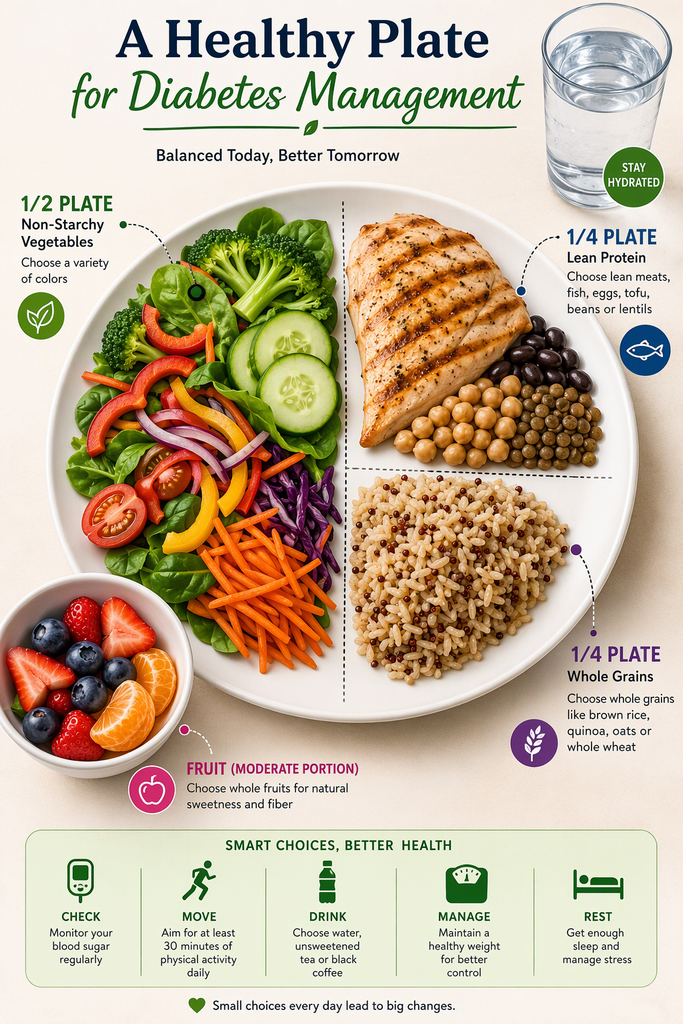
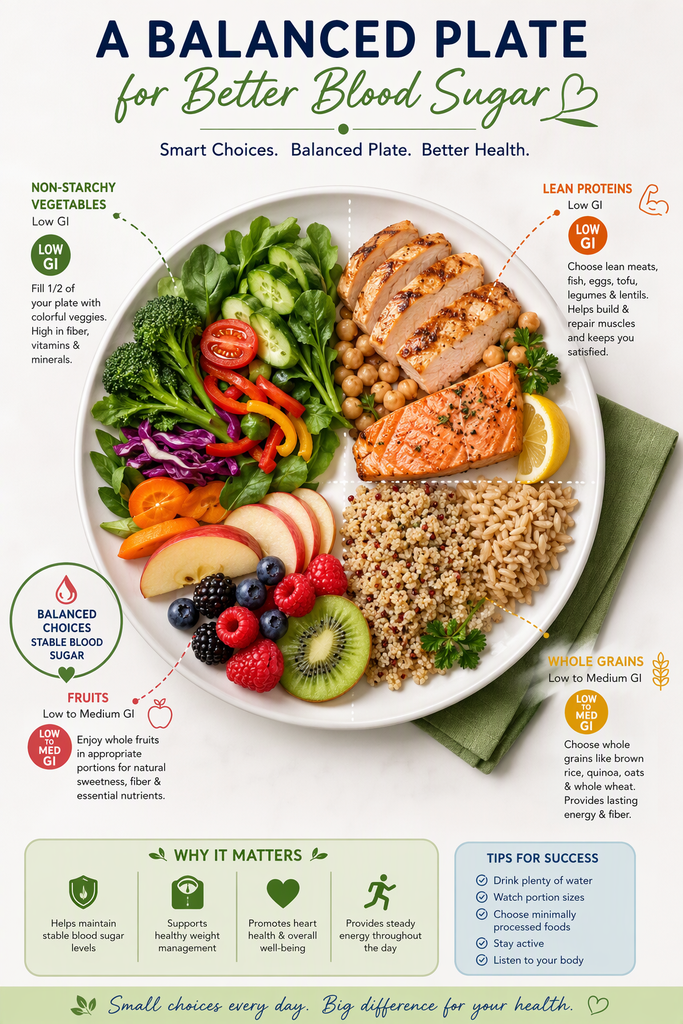
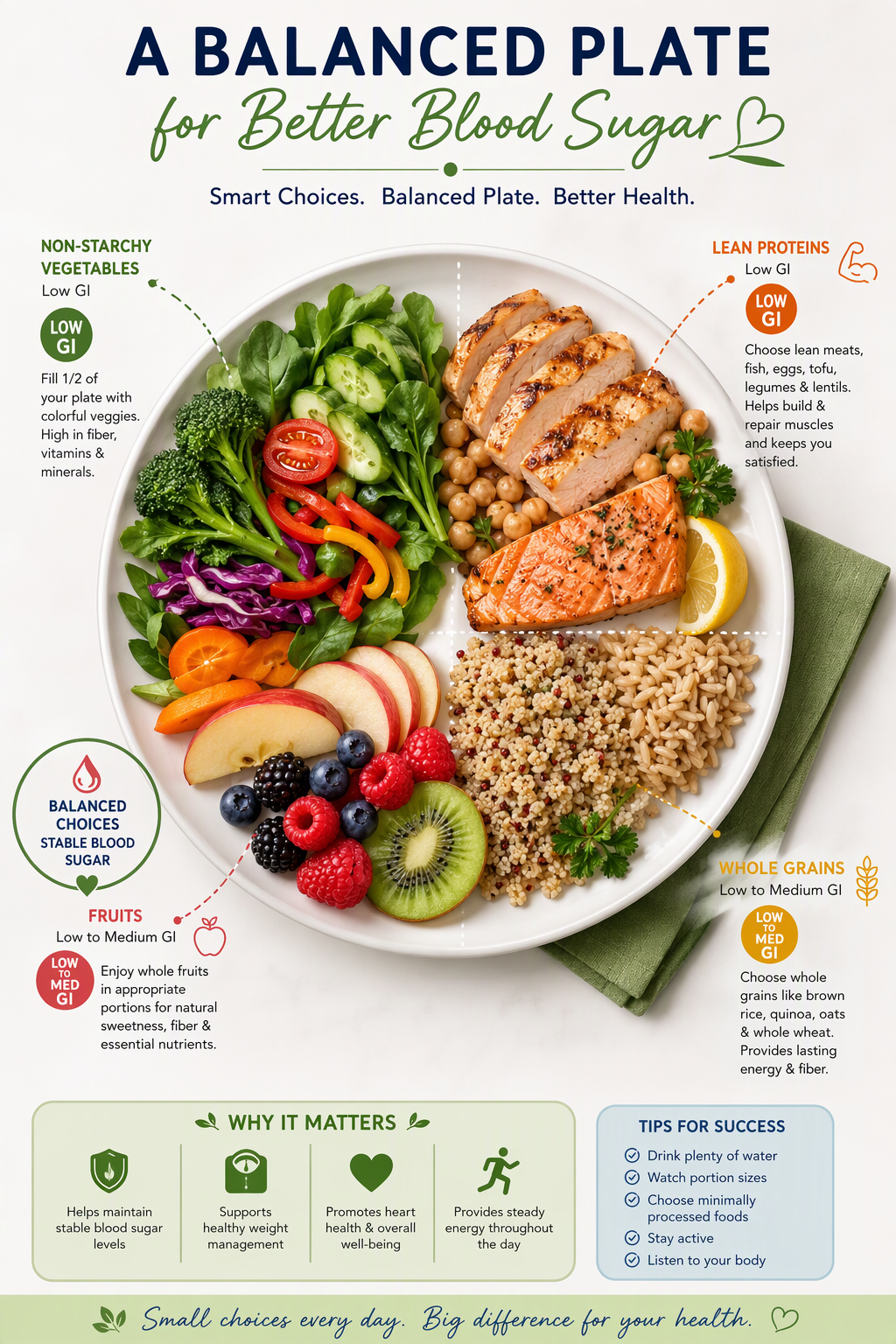
One of the easiest ways to build a meal plan is the diabetes plate approach. It gives you a visual guide, which makes balanced meals less stressful. You do not need to count every bite to get started.
Try this plate method:
- Fill half your plate with non-starchy vegetables such as spinach, carrots, or tomatoes.
- Fill one quarter with lean protein like fish, chicken, or lean pork.
- Fill one quarter with carbohydrate foods such as brown rice or starchy vegetables like green peas.
You can add small amounts of healthy fats, plus a piece of fruit or a serving of dairy. Water, unsweetened tea, or coffee fits well too. If you want a sample meal plan for someone with type 2 diabetes, this structure is one of the simplest and most practical places to begin.
Portion Sizes and Timing
Even healthy food can raise blood sugar if portions are too large. That is why portion sizes matter. Your needs depend on your body size, activity level, medicines, and health goals, so a dietitian can help fine-tune your approach.
Regular timing matters too. Eating meals at steady times may help your body use insulin more effectively. It can also reduce the urge to overeat later in the day.
Helpful habits include:
- Keep portion sizes consistent from meal to meal.
- Plan meals and snacks instead of waiting until you are overly hungry.
- Spread carbohydrate foods across the day rather than eating large amounts at once.
If you are asking how to plan meals for stable blood sugar, these eating habits are a strong place to start. Consistency often helps more than complicated rules.
Best Foods for Type 2 Diabetes
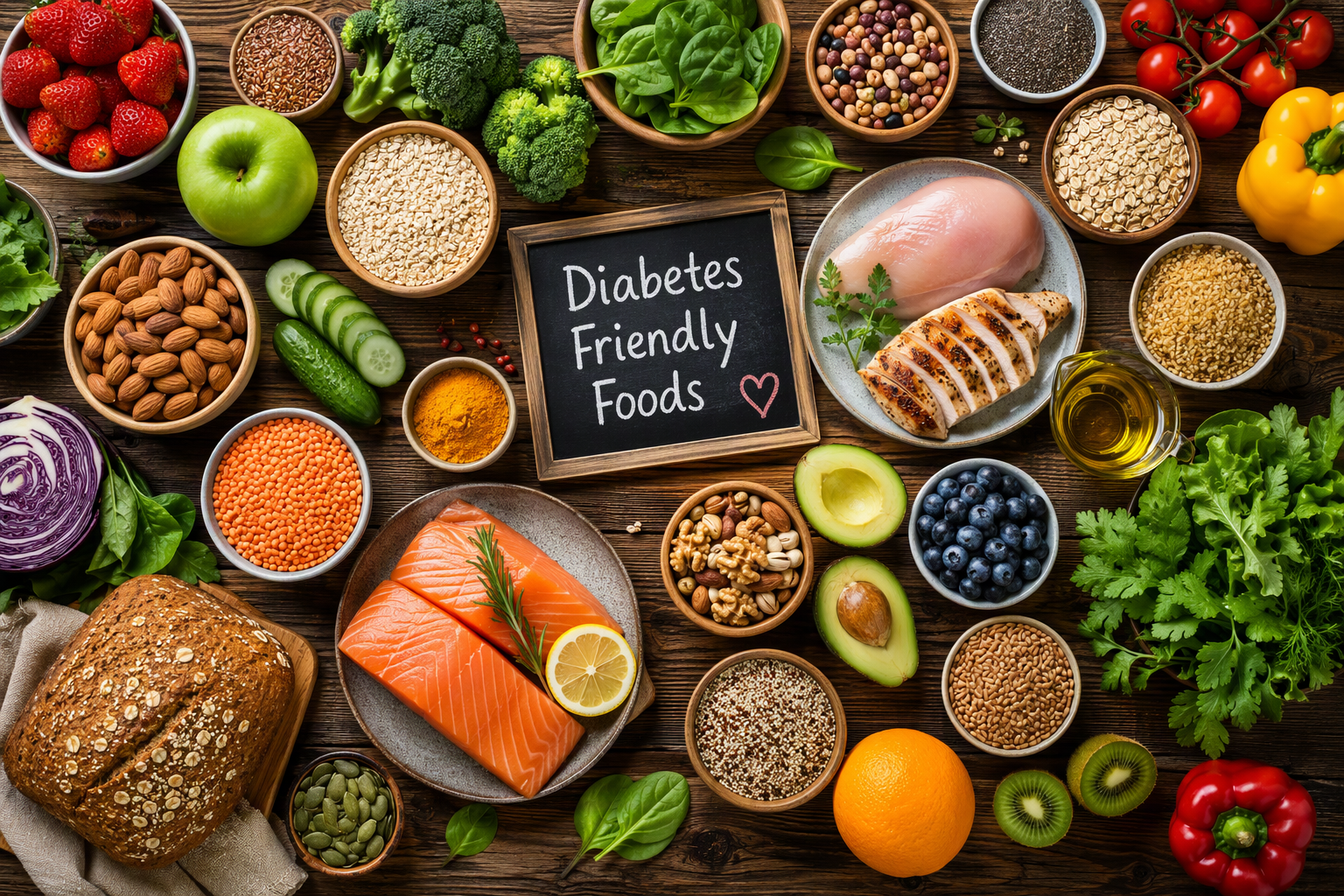
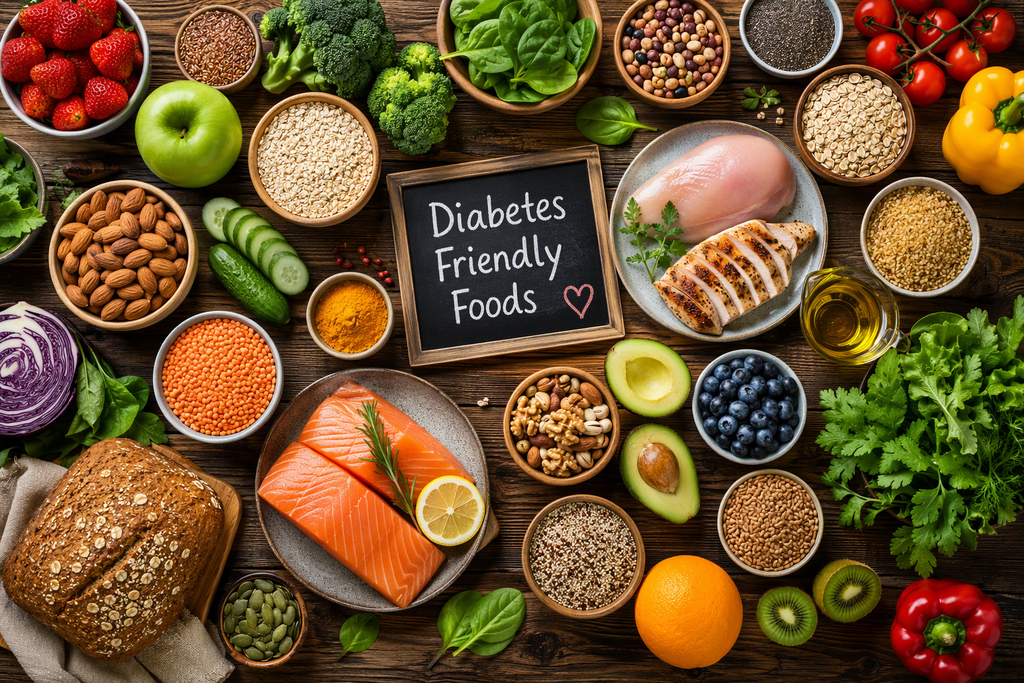
The best foods for type 2 diabetes are usually the same foods recommended in a strong diabetes diet: vegetables, beans, whole grains, fruit, fish, and low-fat dairy. These support blood sugar management while giving you useful nutrients.
You may see ideas like a diabetes food hub or grocery list built around simple staples. That makes sense. The goal is not fancy products. It is choosing healthy food that helps you eat well most days. Let’s look at the categories that deserve a place on your plate.
Non-Starchy Vegetables
Non-starchy vegetables should be a major part of your meals. They are rich in vitamins, minerals, and fiber, and they usually have less effect on blood sugar than starchy vegetables. They also help fill your plate without adding many calories.
Good options include:
- Leafy greens such as spinach and salad greens
- Broccoli, peppers, tomatoes, and carrots
- Cucumbers, zucchini, and squash
- Mixed fresh or frozen vegetables without sugary sauces
These foods fit easily into diabetes management because they support fullness and better blood sugar control. They also work well in the plate method, where half the plate is built from vegetables. If you want one of the best food groups to rely on daily, start here. Leafy greens, in particular, offer wide health benefits with very little effort.
Lean Proteins
Lean protein helps you stay full and can make meals more satisfying without causing a large rise in blood sugar. Good protein foods include skinless chicken breast, turkey, eggs, white fish, tofu, beans, and lentils. These can replace heavier cuts of meat in many meals.
Fatty fish also stands out. Salmon, sardines, tuna, and mackerel provide protein along with omega-3 fatty acids, which support heart health. Since type 2 diabetes increases the risk of heart disease, this is an important benefit. Fried fish is not the best option, though.
If you need a simple meal plan idea, pair lean protein with non-starchy vegetables and a measured serving of whole grains. That kind of meal can support body weight goals and steadier blood sugar while still feeling satisfying and practical.
Whole Grains and Fiber-Rich Foods
Yes, it is okay to eat carbohydrates if you have type 2 diabetes. The key is choosing better ones. Whole grains and other fiber-rich foods are often better options than refined items because they digest more slowly and may have a gentler effect on blood sugar levels.
Helpful choices include brown rice, oatmeal, quinoa, barley, millet, wild rice, whole wheat bread, and 100% whole grain pasta. Beans and legumes also belong here because they offer both fiber and protein. Black beans, lentils, and chickpeas can make meals more filling and balanced.
By contrast, white bread, white flour products, and many packaged grains are easier to overeat and can lead to faster glucose spikes. Healthy eating with diabetes does not mean avoiding all carbs. It means choosing whole grains and fiber whenever possible.
Superfoods for Blood Sugar Control
The word superfoods can sound dramatic, but in diabetes management it usually means foods that pack a lot of nutrition into a small serving. These foods often bring fiber, healthy fats, or antioxidants that fit well into blood sugar goals.
They are not magic cures, and they do not replace your full meal plan. Still, they can be smart additions. Foods with a lower glycemic index or strong nutrient content may help you build meals that support steadier blood sugar over time.
Berries
If you are wondering whether any fruits are good for people with type 2 diabetes, berries are one of the easiest answers. They are whole fruits, and they can fit into a healthy eating plan when portions are considered.
Why berries work well:
- They offer antioxidants along with fiber.
- They can be a lower-glycemic choice than many sweets.
- They may satisfy a craving for something sweet without relying on desserts.
Strawberries, blackberries, and similar berries are often practical choices. Instead of fruit juice, choose whole fruits for better fiber and a steadier effect on blood glucose. You can add berries to plain yogurt or eat them with a meal. That makes them useful both for nutrition and for better food choices during the week.
Leafy Greens
Leafy greens are one of the most dependable foods in a diabetes-friendly kitchen. They are non-starchy vegetables, easy to add to meals, and useful for people who want better blood sugar control without adding many calories.
Key reasons to eat more leafy greens:
- They support heart health as part of a balanced diet.
- They add fiber, vitamins, and volume to meals.
- They fit naturally into the plate method.
Spinach, romaine, and mixed greens can be used in salads, omelets, soups, or side dishes. Since type 2 diabetes raises the risk of heart disease, foods that support heart health are especially helpful. Leafy greens also make meal planning easier because they pair well with lean protein, beans, and whole grains.
Nuts and Seeds
Need snack ideas that support blood sugar? Nuts and seeds are worth considering. They provide healthy fats, some protein, and a satisfying crunch. Because they are calorie-dense, small portions are best.
Useful options include:
- Almonds or walnuts for quick snacks
- Seeds added to salads or yogurt
- Nut butter paired with fruit in modest amounts
These foods contain monounsaturated or polyunsaturated fats, which can support heart health and cholesterol levels when used in place of less healthy fats. They are a better snack choice than many chips or sweets. Keep portions moderate, though, because even healthy fats add up quickly. Used wisely, nuts and seeds can be a steady part of your routine.
Fruits for Type 2 Diabetes
Fruit often causes confusion, but fresh fruit can fit into a diabetes diet. The natural sugar in whole fruit is different from added sugar in desserts or sweet drinks. What matters most is the type of fruit, the portion size, and what else you eat with it.
In many cases, fruits with a lower glycemic index are easier to work into meal planning. Whole fruits are usually a better choice than juice. Let’s look at which options may work best and how to keep portions realistic.
Low-Glycemic Index Options
Some fruits may be easier to manage because they have a lower glycemic index or glycemic load. That means they may have a smaller effect on blood sugar levels compared with more sugary choices or fruit juice.
Popular options include:
- Apples, pears, peaches, and plums
- Cherries, grapefruit, and avocado
- Strawberries, blackberries, and other berries
These whole fruits bring fiber, which helps slow digestion. They can fit well into diabetes management when eaten in sensible portions. If you are asking what fruits are best for managing type 2 diabetes, these are strong choices from the compiled guidance. Whole fruits are usually the better route because juice removes fiber and can raise blood sugar more quickly.
Portion Strategies for Fruit
Fruit is healthy, but portion sizes still matter. Even nutritious carbohydrate foods affect blood glucose, so it helps to keep servings moderate. A small amount of fruit can fit well into a meal or snack without pushing your numbers too high.
One helpful strategy is pairing fruit with protein or fat. For example, an apple with almond butter may feel steadier than fruit by itself. This can also help with fullness. Planning fruit into your day is often easier than eating it on impulse when you are already hungry.
How can you plan meals for stable blood sugar? Think ahead about where fruit fits. Include it as part of meal planning, count it with your carbohydrate foods, and choose whole fruit more often than dried fruit or juice.
Popular Choices with Diabetes-Friendly Benefits
Some fruits stand out because they are easy to buy, easy to portion, and easy to enjoy. They also work well in healthy eating patterns built for type 2 diabetes.
Good choices to keep around include:
- Berries for fiber and sweet flavor
- Apples or pears for a portable snack
- Grapefruit or peaches as part of breakfast or lunch
Fresh fruit can help replace desserts that rely on added sugar. It can also make snack planning easier. While black beans are not a fruit, they are worth mentioning here as another fiber-rich option often paired with fruit-friendly meals for better balance. If you want diabetes-friendly benefits from fruit, choose whole, minimally processed options and keep portions consistent.
Healthy Snacks for People with Type 2 Diabetes
Snacks can either support your blood sugar management or work against it. The difference usually comes down to planning. Healthy snacks should help bridge meals, not replace balanced eating or add random sugar through the day.
A good diabetes diet includes snacks only when they fit your needs, hunger, and meal planning routine. When you choose snacks with fiber, protein, or healthy fats, they are more likely to keep you satisfied. Here are some easy directions to follow.
Simple Snack Ideas
Simple snacks are often the best ones because they are easy to repeat. You do not need special products. You need foods that fit your meal plan, respect portion sizes, and support diabetes management.
Try ideas like these:
- Carrot or celery sticks with hummus
- A small serving of fresh fruit
- Homemade popcorn that is not sweetened
These choices can be prepared quickly and packed easily. They also help you avoid vending-machine habits or last-minute sweets. If you are asking what snacks are healthy for someone with type 2 diabetes, start with basic, whole foods that do not rely on heavy added sugar. Keep portions steady so snacks stay useful rather than turning into another oversized meal.
Protein-Packed Snacks
Protein-packed snacks can be especially helpful when you need something that lasts. Protein foods digest more slowly than many snack foods, which may help you feel full longer and make blood sugar swings less likely.
Consider options such as:
- Plain Greek yogurt
- A boiled egg
- Nuts in a measured portion
You can also combine foods for better balance, such as fruit with nut butter or vegetables with hummus. Lean protein and healthy fats often work well together in snacks. If you browse a diabetes food hub, you will notice that many smart snack ideas follow this same pattern: simple ingredients, moderate portions, and better staying power than crackers or sweets alone.
Sugar-Free Treats
A sugar-free label does not always mean a food has no effect on blood sugar management. Some sugar-free treats still contain carbohydrates, and some use artificial sweeteners or sugar alcohols that may not be the right fit for everyone.
If you want a treat, consider:
- Sugar-free gelatin
- Popsicles with no added sugar
- Pudding or ice cream sweetened with low- or zero-calorie sweeteners
These may work better than regular desserts, but portion size still matters. If you have a sweet tooth, fruit-based desserts can also be a practical choice. The bigger goal is knowing which foods to avoid if you have type 2 diabetes. Regular sweets with lots of added sugar usually raise blood glucose more than modest, planned alternatives.
Drinks and Beverages for Diabetes Management
What you drink matters just as much as what you eat. Some beverages support hydration without affecting blood sugar much, while others can deliver large amounts of carbohydrate very quickly. That makes drinks an easy place to improve diabetes management.
For most people, the safest options are simple ones. Water is hard to beat, but there are other choices that can fit your routine too. Let’s look at drinks that work well and ways to avoid sugary traps.
Safe Choices for Hydration
Hydration supports overall health, and smart drink choices can help you avoid unnecessary rises in blood sugar levels. The best options are usually low in calories and free from added sugar.
Safe choices include:
- Water
- Unsweetened hot or iced tea
- Unsweetened coffee
Some people also include milk or unsweetened plant-based milks, depending on their meal plan. These can fit, but they still contain nutrients and, in some cases, carbohydrates, so portions matter. If you are asking what drinks are safe for people with type 2 diabetes, start with plain, unsweetened beverages. Pair them with healthy food choices throughout the day, and you make blood sugar management much easier.
How to Avoid Sugary Drinks
Sugary drinks can raise blood glucose fast because they are easy to consume and often lack fiber or protein. Juice, sweet tea, soda, and many ready-made drinks can add a surprising amount of added sugar to your day.
To cut back, try this:
- Read labels before buying bottled drinks
- Choose water or unsweetened tea with meals
- Treat juice like a carbohydrate food, not a free drink
This shift can make a big difference in diabetes management. If you are also asking which foods should you avoid with type 2 diabetes, sugary beverages belong high on the list. They often work against healthy eating goals while doing little to keep you full. Swapping them out is one of the simplest wins.
Tips for Enjoying Coffee, Tea, and More
Coffee and tea can fit into your routine, especially when they are unsweetened. Problems usually start when large amounts of sugar, syrups, or rich add-ins turn a drink into dessert. Keep your beverage close to your meal plan, not far outside it.
A few smart tips:
- Drink coffee or tea plain or lightly sweetened
- Watch flavored add-ins that may contain hidden sugar
- Use artificial sweeteners carefully if they help you avoid regular sugar
If caffeine affects you or if you also have high blood pressure, it may help to be more cautious. The safest approach is often the simplest one. Plain coffee, tea, or sparkling water gives you more control than most packaged drinks and makes your overall eating plan easier to manage.
Carbohydrate Strategies for Type 2 Diabetes
Carbohydrates are not off-limits with type 2 diabetes. They do, however, have the strongest effect on blood sugar, so the type, amount, and timing matter. A thoughtful approach to carbohydrate foods is one of the best tools in meal planning.
Complex carbohydrates, the glycemic index, and carb counting can all help you make better choices. You do not need to use every method at once. The key is finding a healthy way to keep glucose levels steadier from meal to meal.
Choosing Complex Carbohydrates
Complex carbohydrates are usually a better choice than simple carbohydrates because they often come with fiber and digest more slowly. That can help support steadier glucose levels after meals and make healthy eating easier to maintain.
Better carbohydrate foods include:
- Whole grains such as oatmeal, quinoa, barley, and brown rice
- Beans, lentils, and peas
- Whole wheat bread or 100% whole grain pasta
These foods can still raise blood sugar, but they often do so more gradually than white bread, sweets, or heavily processed snacks. So yes, it is okay to eat carbohydrates if you have type 2 diabetes. The better question is which carbs you choose and how much you eat at one time.
Understanding the Glycemic Index
The glycemic index ranks carbohydrate foods based on how they affect blood sugar levels. Some people find it helpful when planning meals, especially when comparing foods within the same category. It is one more tool, not a rulebook.
In simple terms:
- Lower-glycemic foods may raise blood sugar more slowly
- Whole fruits and whole grains often work better than refined options
- Fiber-rich foods usually support a steadier meal plan
How do superfoods help with blood sugar control in type 2 diabetes? Often by fitting this pattern. Foods like berries, beans, and leafy greens tend to support better blood sugar management because they bring fiber and nutrients without acting like refined carbs. If the glycemic index feels useful to you, it can guide smarter swaps.
Carb Counting Techniques
Carb counting helps you understand how much carbohydrate you eat at meals and snacks. Since carbohydrate foods have the biggest effect on blood glucose, tracking them can give you better control and help with more consistent meal planning.
Basic techniques include:
- Check food labels for total carbohydrate per serving
- Measure portion sizes so your count is more accurate
- Keep meals consistent from day to day when possible
A dietitian can teach you how to match serving sizes and carbohydrate amounts to your needs. Some food lists also group foods into choices that have similar carb amounts. If you want to plan meals for stable blood sugar, carb counting can be one of the clearest and most practical tools to learn.
Foods to Limit or Avoid with Type 2 Diabetes
Some foods make diabetes management harder because they raise blood sugar quickly or add unhealthy fats, sodium, and extra calories. These foods also may increase the risk of heart disease, which already matters more when you have type 2 diabetes.
That does not mean your eating plan needs to be rigid. It means some items should be occasional rather than routine. The main groups to watch are processed foods, sugary treats, and foods high in saturated fat. Here is what to look for more closely.
Processed and Refined Foods
Processed foods are often high in refined carbohydrates, added sodium, and extra fats. They may also be low in fiber, which makes them less helpful for blood sugar control. Many packaged snacks and fast foods fall into this category.
Foods to limit include:
- White bread and white flour products
- Chips, packaged baked goods, and many fast foods
- Refined grains such as white rice and white pasta
These items are easy to overeat and often do not keep you full for long. If you are asking which foods should you avoid if you have type 2 diabetes, processed and refined foods are a major group to reduce. Replacing them with whole grains and less processed staples is usually a stronger move for blood sugar and overall health.
High-Sugar Snacks and Desserts
Desserts can fit once in a while, but high-sugar snacks often push blood glucose up quickly. Candy, cakes, pastries, and large dessert portions bring lots of added sugar without much nutrition. They also tend to make a sweet tooth harder to manage over time.
Examples to limit:
- Ice cream in large portions
- Candy and frosted baked goods
- Sweet snack foods with sugar near the top of the ingredient list
If you want something sweet, fruit or lower-sugar alternatives may work better. The goal is not to fear dessert. It is to avoid turning high-sugar foods into an everyday habit. For most people with type 2 diabetes, that shift makes blood sugar management more realistic and less frustrating.
Foods High in Saturated Fats
Foods high in saturated fat matter because diabetes already raises the risk of heart disease and stroke. Heavy use of high-fat animal products can work against a heart-healthy eating plan and may also add more calories than you realize.
Items to limit include:
- Red meat and processed meats like bacon, sausage, and hot dogs
- Butter and high-fat dairy products
- Foods with trans fats such as some processed snacks and baked goods
You may also want to limit coconut and palm kernel oils. Choosing fish, lean protein, beans, and healthy fats more often is a better fit for heart health. Keeping saturated fat lower is not just about weight. It is about protecting your cardiovascular system as well.
Reading Food Labels for Smarter Choices
Food labels can help you make better decisions at the store. If you have type 2 diabetes, they show you what matters most for meal planning, especially carbohydrates, serving sizes, sugar, sodium, and fat. That makes labels one of the best tools for smarter shopping.
Many products use health claims that sound helpful, but the nutrition facts panel gives the real picture. Once you know what to check first, food labels become less confusing. Let’s break down the parts that deserve your attention.
Decoding Nutrition Facts
Start with serving size. Then check total carbohydrates, because this number has the strongest effect on blood sugar. After that, look at calories, sodium, saturated fat, and cholesterol levels if heart health is also a concern.
This quick table can help:
| Label Part | Why It Matters for Type 2 Diabetes |
|---|---|
| Serving size | Tells you how much food the numbers apply to |
| Total carbohydrate | Helps estimate impact on blood sugar |
| Dietary fiber | Can improve the quality of carbohydrate foods |
| Calories | Useful for body weight and meal balance |
| Sodium | Important if you also have high blood pressure |
| Saturated fat and cholesterol | Matters for heart health risk |
Nutrition facts are easier to use when you compare similar products side by side. That helps you make food choices based on facts, not front-of-package marketing.
Identifying Added Sugars
Added sugars can appear in many packaged foods, even ones that seem healthy. That is why reading both the nutrition panel and the ingredient list matters. A product may claim to be low fat while still carrying more sugar than you expect.
When checking labels:
- Look for added sugar on the nutrition panel
- Scan the ingredients list for sugar near the top
- Watch for names such as corn syrup, fructose, or dextrose
This step helps you make better food choices and protect blood sugar levels. If you are asking how to read food labels when planning meals for type 2 diabetes, added sugar is one of the first things to check. It often hides in sauces, dressings, desserts, and snack foods.
Sodium and Fat Content Awareness
Maintaining awareness of sodium and fat content plays a crucial role in diabetes management. High sodium intake can lead to elevated blood pressure, which is a common risk factor for cardiovascular disease. Choosing healthier options, like unsaturated fats found in olive oil and fatty fish, contributes not only to heart health but also supports overall health goals. Focusing on whole grains, fresh fruits, and leafy greens can help manage blood glucose levels while ensuring meals remain satisfying and flavorful. Embracing these foods nurtures better eating habits and encourages long-lasting wellness.
Sample Meal Plan for Type 2 Diabetes
Creating a balanced meal plan for managing type 2 diabetes can be both enjoyable and beneficial. Start your day with a hearty breakfast of oatmeal topped with fresh fruit and a sprinkle of cinnamon to help stabilize blood glucose levels. For lunch, a salad loaded with leafy greens, grilled chicken, and a drizzle of olive oil provides healthy fats and lean protein. Dinner can feature baked salmon paired with quinoa and roasted starchy vegetables. Snacking on black beans or nuts throughout the day will also support healthy eating habits.
Breakfast Ideas
Mornings can be a fantastic time to kickstart healthy eating habits for managing blood sugar levels. Consider oatmeal topped with fresh fruit or a sprinkle of nuts—both options provide fiber and complex carbohydrates. Incorporating eggs with spinach makes for a protein-packed meal that supports insulin sensitivity. Whole-grain toast, perhaps with avocado, offers healthy fats that can enhance heart health while keeping you full. Always be mindful of portion sizes and added sugars in breakfast items to ensure a balanced start to your day.
Lunch Options
Creative lunch options can help maintain balanced blood sugar levels while being delicious. Consider a colorful salad featuring leafy greens, cherry tomatoes, and black beans, drizzled with olive oil. This combination offers healthy fats and lean protein, both crucial for blood glucose stability. Whole grain wraps filled with roasted vegetables and a sprinkle of feta make for a satisfying meal that supports insulin sensitivity. Another great choice is quinoa with starchy vegetables, mixed with a variety of herbs for added flavor, ensuring your lunch is both enjoyable and nourishing.
Dinner Suggestions
For dinner, aim for a balance of colors and flavors while prioritizing health. Consider grilled salmon topped with a sprinkle of herbs, served alongside a vibrant mix of leafy greens and a side of quinoa. Incorporating starchy vegetables like sweet potatoes can add necessary fiber without spiking blood sugar levels. For a comforting option, a hearty vegetable stir-fry with lean protein, such as chicken or tofu, can make for a satisfying meal. Always check food labels to keep an eye on sodium and fat content, ensuring your choices align with your health goals.
Meal Planning Tips for Blood Sugar Stability
Consistency in meal planning plays a significant role in maintaining stable blood sugar levels. Aim for regular meal times, which can help regulate insulin sensitivity and reduce the risk of high blood sugar spikes. Incorporating a variety of foods is also important; include whole grains, lean proteins, and healthy fats in your meals. Experiment with the plate method to balance portions effectively, focusing on a colorful array of vegetables, healthy carbohydrates, and protein. This diverse approach not only supports blood glucose control but also enhances overall health.
Meal Frequency and Consistency
Maintaining a consistent meal frequency can greatly benefit blood sugar management. Regularly scheduled meals help stabilize glucose levels, reducing the likelihood of spikes or drops. Planning three balanced meals with healthy snacks in between helps support insulin sensitivity and promotes healthy eating habits. Incorporating complex carbohydrates, lean protein, and healthy fats—such as those found in olive oil and nuts—ensures that the body receives essential nutrients for overall health. This consistent approach not only aids in diabetes management but also supports heart health and can help manage body weight.
Incorporating Variety
Incorporating a variety of foods into your diet not only adds excitement but also supports better blood sugar management. Embrace whole grains like brown rice and quinoa, which are rich in fiber and can help stabilize glucose levels. Pair lean proteins such as chicken or beans with colorful leafy greens and fresh fruits to further enhance nutrient intake. Experimenting with different cooking methods, spices, and textures can also make meals more enjoyable while ensuring you meet your health goals. Keep your meals diverse for lasting benefits!
Strategies for Eating Out
Dining out can be enjoyable while keeping diabetes management in mind. Start by reviewing the menu beforehand to identify healthier options that align with your eating plan. Opt for grilled or baked dishes instead of fried to reduce unhealthy fats. Portion sizes play a critical role, so consider sharing meals or requesting smaller servings. Additionally, ask for sauces and dressings on the side to control added sugars and sodium. Choosing whole grains or extra vegetables can further support stable blood sugar levels, enhancing your dining experience while maintaining overall health.
Conclusion
Understanding what foods are best for diabetes type 2 can significantly aid in effectively managing blood sugar levels while enhancing overall health. A well-balanced meal plan featuring whole grains, lean proteins, and healthy fats can support insulin sensitivity and weight loss. Incorporating a variety of vegetables and fruits can provide essential nutrients and fiber beneficial for heart health. Prioritizing informed food choices alongside a supportive eating plan contributes greatly to lowering the risk of complications related to diabetes. Stay mindful of your portion sizes to make the best dietary choices for your health journey.
Frequently Asked Questions
Are carbohydrates safe for people with type 2 diabetes?
Carbohydrates can be included in a type 2 diabetes diet, but portion control and choosing high-fiber options are essential. Focus on whole grains, fruits, and vegetables while monitoring blood sugar levels to maintain balance and stability.
What fruits are best for managing type 2 diabetes?
Berries, cherries, and apples are great choices for managing type 2 diabetes due to their low glycemic index and high fiber content. Citrus fruits like oranges and grapefruits also provide vitamin C while keeping blood sugar levels stable. Always enjoy in moderation.
How can I plan my meals for stable blood sugar?
To plan meals for stable blood sugar, focus on balanced portions of lean proteins, healthy fats, and fiber-rich carbohydrates. Include regular meal timings and avoid skipping meals to maintain consistent blood sugar levels throughout the day. Hydration and mindful eating also play essential roles.
https://www.medicalnewstoday.com
https://www.medicalnewstoday.com/alzheimers-and-dementia
https://www.medicalnewstoday.com/cancer
https://pmc.ncbi.nlm.nih.gov/articles/PMC6709577
https://pmc.ncbi.nlm.nih.gov/articles/PMC6710489
https://pmc.ncbi.nlm.nih.gov/articles/PMC3977406
https://pmc.ncbi.nlm.nih.gov/articles/PMC6815645
https://www.healthline.com/nutrition
https://www.healthline.com/nutrition/improve-insulin-sensitivity