

Effective Chronica Pain Management Drugs and Remedies Guide

Key Highlights
- Chronic pain often needs more than one approach for steady pain relief.
- Chronic pain management may include OTC drugs, prescriptions, topical treatments, and injections.
- Medication options depend on your type of pain, health history, and daily function.
- Side effects matter, especially with NSAIDs, acetaminophen, anticonvulsants, and opioid medications.
- Nonopioid therapies like physical therapy, massage therapy, and guided meditation can support recovery.
- Safe use, storage, and disposal help protect you, your family, and your treatment progress.
Introduction
Living with chronic pain can wear you down physically and mentally. It can affect sleep, movement, work, and your mood. The good news is that pain management often includes several paths, not just one pill or one procedure. Your options may range from pain medicines and topical products to physical therapy and guided meditation. This guide explains practical choices for pain relief, what doctors look for, and how you can better understand treatment for ongoing pain.
Understanding Chronic Pain: Key Concepts and Types
Chronic pain is ongoing pain that lasts far beyond the usual healing period. It may come from joints, muscles, nerves, or other body areas. Some pain conditions stay steady, while others flare up and ease off.
You may also hear doctors talk about different types of pain, such as nerve-related pain, musculoskeletal pain, or pain linked to cancer pain. Knowing the pattern and source helps shape better care. That starts with understanding how chronic pain differs from short-term pain and what common pain conditions look like.
Definition of Chronic Pain vs. Acute Pain
Acute pain usually starts suddenly and often has a clear cause, such as an injury, surgery, or a strained muscle. It tends to improve as the body heals. Chronic pain lasts much longer and may continue even after the original problem has changed or healed.
In simple terms, the type of pain affects how doctors respond to pain signals. Acute pain often responds well to short-term pain relievers, including NSAIDs, acetaminophen, or sometimes opioid medications for sudden severe pain. Chronic pain may need a broader plan.
That is one key difference between acute and chronic pain medications. Long-term symptoms may call for daily treatments that build up in the body, such as certain antidepressants or anticonvulsants, rather than medicine taken only when pain shows up.
Common Causes and Triggers of Chronic Pain
Chronic pain can start from many pain conditions. In many people, it develops after an injury, arthritis, nerve irritation, or long-lasting inflammation. For others, the pain remains even when the first injury is no longer the main issue.
A very common example is back pain, especially low back discomfort that spreads into the hips or legs. Neck pain that moves into the arms can also become long lasting. Nerve-related pain may feel burning, shooting, or sharp.
Common causes and triggers include:
- Arthritis and ongoing joint irritation
- Muscle spasm or strain in the back pain or low back area
- Nerve-related problems, including pain after nerve irritation
- Cancer-related abdominal or body pain in some patients
Because triggers vary, your doctor will look closely at where pain starts, what worsens it, and how often it returns.
Different Types of Chronic Pain Conditions
Not all chronic pain conditions feel the same. Some come from joints or muscles. Others are linked to the nervous system, where pain signals keep firing or become more sensitive over time. That is why a treatment that helps one person may not help another.
Low back pain is one of the most familiar examples. Some people also have nerve pain from nerve damage, including burning or shooting symptoms. In other cases, chronic pain may involve the abdomen, neck, shoulder, arm, or leg.
Common chronic pain conditions include:
- Low back pain and lower back pain that may spread into the legs
- Neck pain with arm or hand symptoms
- Neuropathic pain linked to nerve damage
- Complex regional pain syndrome affecting a limb
- Cancer pain, including chronic abdominal pain
These differences matter because the type of pain often guides medication and non-drug choices.
How Chronic Pain Is Diagnosed and Evaluated
A good diagnosis is the base of better pain management. Doctors do not choose treatment by guessing. They look at your symptoms, daily limits, medical history, and the body area involved.
Your evaluation may also include imaging or diagnostic procedures, especially when pain conditions involve the spine, nerves, or joints. Sometimes injections help both diagnosis and treatment. The next sections explain how doctors gather this information and use it to build a practical plan.
Clinical Assessment and Patient History
Your patient history gives a health care provider important clues. They usually ask where the pain is, how long it has lasted, what it feels like, and whether it spreads into the arms, legs, or other areas. They also ask what makes it worse or better.
A pain management specialist will review past injuries, surgeries, current medicines, and other health issues. That includes glaucoma, kidney disease, liver disease, or a history of substance abuse, because these can affect safe drug choices.
Doctors decide which medicine may fit best by matching the treatment to your symptoms and risk factors. Nerve pain may point toward anticonvulsants or certain antidepressants. Muscle spasm may suggest muscle relaxants. Joint or arthritic pain may respond to a type of NSAID or acetaminophen.
Diagnostic Tests and Imaging
Sometimes your doctor needs more than a conversation and exam. Diagnostic tests and imaging can help confirm which structure is creating pain. This is especially useful for spine, joint, and nerve-related pain conditions.
Doctors may use X-ray guidance, also called fluoroscopic imaging, or ultrasound during certain procedures. These tools improve accuracy and safety when placing medicine near nerves, joints, or the epidural space. In some cases, the response to an injection also helps identify the pain source.
Methods used in diagnosis can include:
- Fluoroscopic imaging during epidural injections or nerve block procedures
- Ultrasound guidance for selected nerve block treatments
- Diagnostic injections into joints or around nerves to see if pain relief occurs
So, chronic pain is diagnosed through a mix of history, physical findings, imaging, and carefully targeted procedures.
Factors Doctors Consider for Pain Management Plans
No single formula works for everyone. In pain management, doctors look at your type of pain, where it occurs, how strong it feels, and how long it has been present. They also weigh your age, other illnesses, and how medicines may interact.
For example, kidney disease may limit NSAID use. Liver disease affects acetaminophen safety. Nerve pain may respond better to anticonvulsants or antidepressants than to opioid therapy. If pain is localized, topical medications or injections may offer more targeted pain relief.
Here is a simple view of how treatment options are considered:
| Factor | What doctors consider |
|---|---|
| Type of pain | Muscle, joint, nerve, abdominal, neck, low back, or cancer-related pain |
| Area of pain | Whether pain is widespread or limited to one body region |
| Medical history | Kidney disease, liver disease, glaucoma, substance use history |
| Response to past care | Whether earlier medicines or procedures gave significant pain relief |
| Safety concerns | Side effects, drug interactions, drowsiness, breathing risk |
Medication Options for Chronic Pain Relief
Pain medicines can be useful, but the right option depends on the problem being treated. Some drugs help inflammation. Others target nerve pain, muscle spasm, or a very specific area of pain. That is why chronic pain management often includes several medication categories.
You may use OTC products, prescription nonopioid therapies, opioid medications in selected cases, or topical treatments. Each option has benefits and limits. The following sections walk through the main choices and where they may fit into a pain relief plan.
Over-the-Counter (OTC) Pain Relievers for Chronic Pain
Yes, OTC medications can help with chronic pain in some cases, especially muscular, bone, or arthritic discomfort. They are often the first pain relievers people try, but even nonprescription drugs carry risk if used the wrong way or for a long time.
A common choice is an NSAID, such as ibuprofen or aspirin. Acetaminophen is another widely used option. These medicines may reduce pain enough for daily function, but dosing matters. Acetaminophen should not exceed the recommended dose of 3,000 mg in 24 hours because of liver failure risk.
Common OTC options include:
- Ibuprofen, a common NSAID
- Aspirin for selected pain conditions
- Acetaminophen for general pain relief
- Some OTC products used for short-term symptom control
If your pain lasts or gets worse, talk with your doctor instead of just taking higher doses.
Prescription Non-Opioid Medications
Prescription nonopioid therapies are a major part of treatment of chronic pain. They are often used when OTC drugs are not enough or when your symptoms suggest nerve involvement. These medicines are commonly taken on a schedule, not just when pain flares.
Doctors may prescribe tricyclic antidepressants or serotonin and norepinephrine reuptake inhibitors for nerve-related pain. These drugs can help at lower doses than those used for depression. Some patients also use prescription NSAIDs or other nonopioid options based on the pain source.
Examples of nonopioid therapies include:
- Tricyclic antidepressants for neuropathic pain
- Norepinephrine reuptake inhibitors for nerve-related symptoms
- Prescription NSAIDs such as diclofenac, meloxicam, or Celebrex
These medicines can be effective, but they need regular follow-up because side effects and fit vary from person to person.
Opioid Medications: Indications and Cautions
Opioid medications may help certain patients with chronic pain, but they are used carefully. They often work better for sudden severe pain than for long-term nerve pain. In chronic pain care, long-acting opioids are rarely recommended.
The possible benefit is stronger short-term pain control in selected situations. The risks are serious. Side effects can include constipation, sleepiness, nausea, and breathing problems. Opioid therapy also carries the possibility of tolerance and physical dependence, which is not the same thing as addiction.
Important cautions include:
- Do not mix opioid medications with alcohol
- Avoid combining them with benzodiazepines unless your doctor directs it
- Do not take more if pain continues; call your doctor
- Watch for excessive drowsiness or breathing changes
Used exactly as prescribed, opioids may help some people, but they demand close monitoring.
Topical and Localized Pain Relief Medications
If your pain stays in one spot, topical medications may be a smart option. These treatments are applied to the skin as creams, ointments, or patches. They can be useful when you want more localized pain relief without relying only on oral medicine.
Some patches are placed directly over the area of pain. The active drug, such as lidocaine, is then released deeper into nearby tissue. This can be helpful when symptoms are focused rather than widespread.
Topical choices may include:
- Lidocaine patches over the painful area
- Creams or ointments applied to the skin
- Localized products used alone or with other pain medicines
For selected cases, injections around nerves, joints, or muscles may also be considered when pain remains limited to a clear location.
Exploring Nonopioid Drug Treatments
Nonopioid therapies are central to modern chronic pain management. They can target nerve pain, muscle tension, or other ongoing symptoms while avoiding some opioid-related risks. That does not mean they are risk free, but they often offer a safer path for long-term care.
Several drug groups fit here, including antidepressants, anticonvulsants, and muscle relaxants. Each works differently, and each has a specific role in pain relief. Let’s look at how these medicines are commonly used.
Antidepressants for Neuropathic and Chronic Pain
Some antidepressants are used for pain even when you are not being treated for depression. That may sound surprising, but certain drugs in this group can calm neuropathic pain and other long-lasting symptoms. They are usually taken daily, not as-needed.
Tricyclic antidepressants and serotonin-norepinephrine reuptake inhibitors are the main types of antidepressants mentioned for chronic pain. They may help at lower doses than those used for mood disorders. Doctors sometimes suggest taking them at night to reduce sleepiness during the day.
This group may be used for:
- Burning or shooting nerve pain
- Neuropathic pain that lasts a long time
- Ongoing symptoms that need scheduled treatment
- Patients who need nonopioid therapies
Possible side effects include dry mouth and sleepiness, and some patients with glaucoma may not be good candidates.
Anticonvulsants and Their Role in Pain Management
Anticonvulsants can be effective in pain management, especially for nerve pain. These medicines are often used when symptoms feel burning, shooting, or electric. They work on the nervous system and are usually taken every day so the effect can build over time.
Unlike quick pain relievers, anticonvulsants are not meant for occasional use. They need steady use as prescribed. Doctors may start at a lower dose and increase slowly to reduce drowsiness and help your body adjust.
These medicines can help some people, but they are not right for everyone. Possible issues include weight gain, abdominal pain, and drowsiness. Some require extra caution in kidney disease, and certain options may not be suitable if you have kidney stones or glaucoma.
Muscle Relaxants and Other Adjunct Medications
Muscle relaxants are most often used when muscle spasm is a major part of the problem. They are common in more acute situations, but they may also support pain relief when tight muscles are adding to ongoing discomfort. They are not usually the only answer.
Examples mentioned include tizanidine, cyclobenzaprine, and baclofen. These adjunct medications may be combined with other treatments when your doctor thinks muscle tension is feeding the pain pattern. The goal is to make movement easier and reduce spasm-related symptoms.
Key points to know:
- Muscle relaxants are often used for muscle spasm
- They may be paired with other pain medicines
- Drowsiness and dizziness are common side effects
Because these medicines can make you sleepy, your doctor may review timing, dose, and daily safety with you.
Risks, Side Effects, and Safety in Chronic Pain Medications
Every medication decision involves trade-offs. In chronic pain management, your goal is not only symptom control but also medication safety. A drug that helps pain but harms the kidneys, liver, or breathing is not a good long-term plan.
That is why doctors review side effects, health conditions, and possible drug interactions before writing or renewing prescriptions. You also play a big role by noticing changes early, asking questions, and using pain medicines exactly as directed.
Common Medication Side Effects to Watch For
When starting new pain medicines, pay attention to how your body responds. Some side effects are mild and improve. Others need quick medical advice. The most common side effects depend on the drug category and your own health profile.
For example, opioid medications often cause constipation, nausea, sleepiness, and breathing problems. Antidepressants may lead to dry mouth and sleepiness. Anticonvulsants can cause drowsiness, abdominal pain, or weight gain. Muscle relaxants may bring dizziness.
Watch for these common side effects:
- Dry mouth
- Weight gain
- Drowsiness or excessive sleepiness
- Nausea or constipation
- Breathing changes with opioids
If symptoms feel strong, new, or persistent, contact your health care provider. Early reporting can improve medication safety and help your doctor adjust the plan before the problem grows.
Managing Medication Risks and Drug Interactions
Medication risks increase when health problems or other drugs are part of the picture. NSAIDs may harm the kidneys, raise bleeding risk, and lead to gastric ulcers when used for a long time or in large amounts. Some COX II inhibitors may increase high blood pressure and other heart risks.
Acetaminophen seems simple, but too much can cause liver failure. That matters even more if you have liver disease or if another prescription already contains acetaminophen. Opioids bring extra danger when combined with alcohol or benzodiazepines.
Important risk factors include:
- Kidney disease affecting NSAID or anticonvulsant use
- Liver disease affecting acetaminophen safety
- Glaucoma affecting some antidepressants or anticonvulsants
- Alcohol or benzodiazepines increasing opioid danger
To reduce drug interactions, keep one updated medication list and share it at every visit.
Safe Use, Storage, and Disposal of Pain Medicines
Safe use starts with following the label and your doctor’s directions exactly. Do not increase doses on your own, and do not save stronger medicines for future pain without guidance. With opioids, taking more because pain continues can be dangerous.
Storage matters too. Keep pain medicines in a secure place away from children, visitors, and anyone for whom the drug was not prescribed. This is especially important for opioid medications. Safe disposal is just as important when the medicine is old or no longer needed.
Helpful safety steps include:
- Store medicines in a locked or hard-to-reach place
- Keep them in original containers when possible
- Do not share prescriptions with anyone
- Follow disposal advice from an official government organization or your pharmacist
If you are unsure what to do with unused medicine, ask your pharmacist or prescribing clinician.
Non-Drug Remedies and Lifestyle Approaches
Medicine is only one part of pain management. Many people get added benefit from non-drug care that supports movement, function, and coping. These strategies can work alongside prescriptions or help reduce how much medicine you need.
Common lifestyle approaches include physical therapy, exercise, guided meditation, acupuncture, massage therapy, aqua therapy, and TENS. The right mix depends on your symptoms and goals. The next sections explain how these options may help in everyday life.
Physical Therapy and Exercise for Chronic Pain
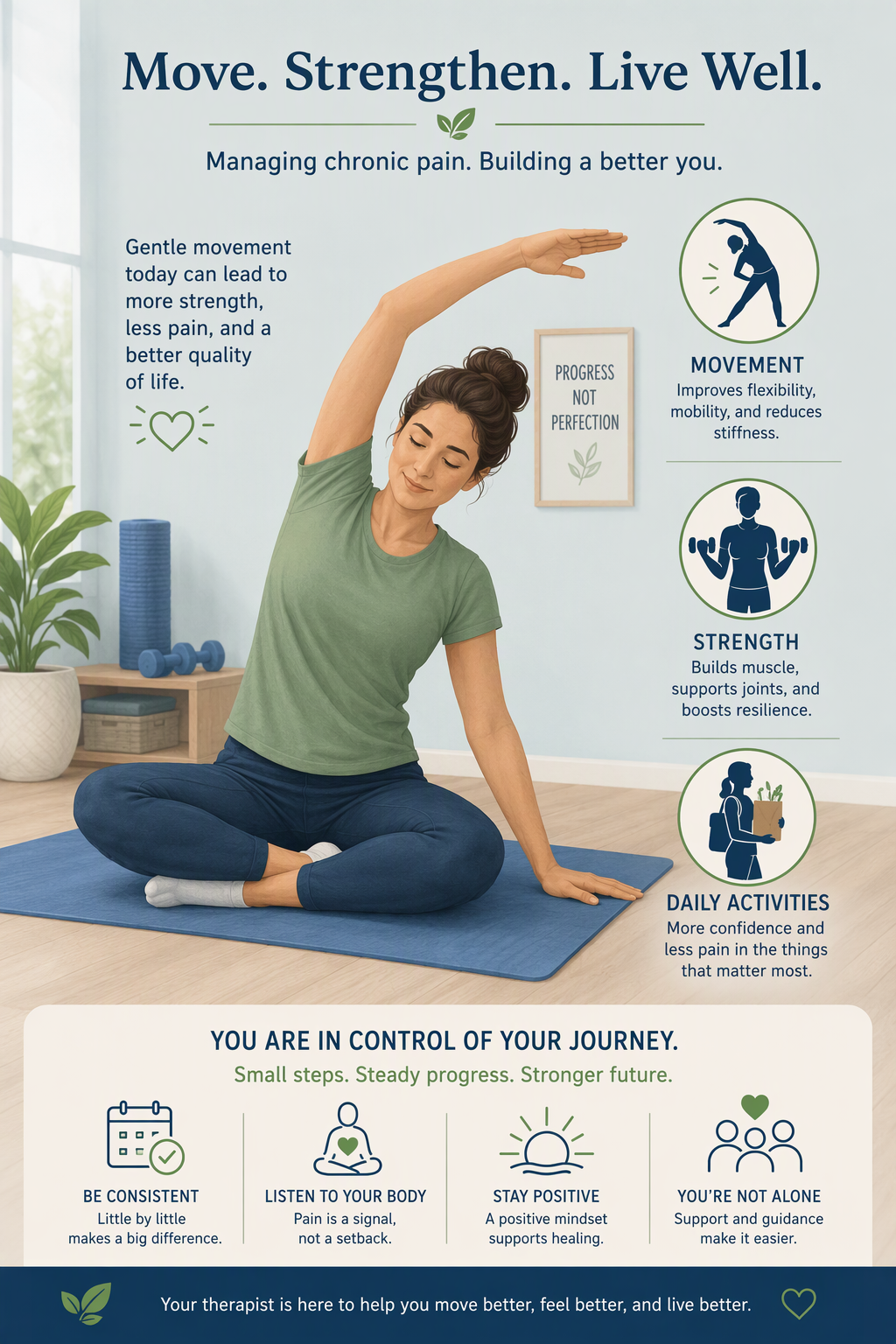
Physical therapy can help by improving movement, strength, and daily function. For many people, treatment of chronic pain is not just about lowering pain scores. It is also about walking better, sleeping better, and getting through normal tasks with less strain.
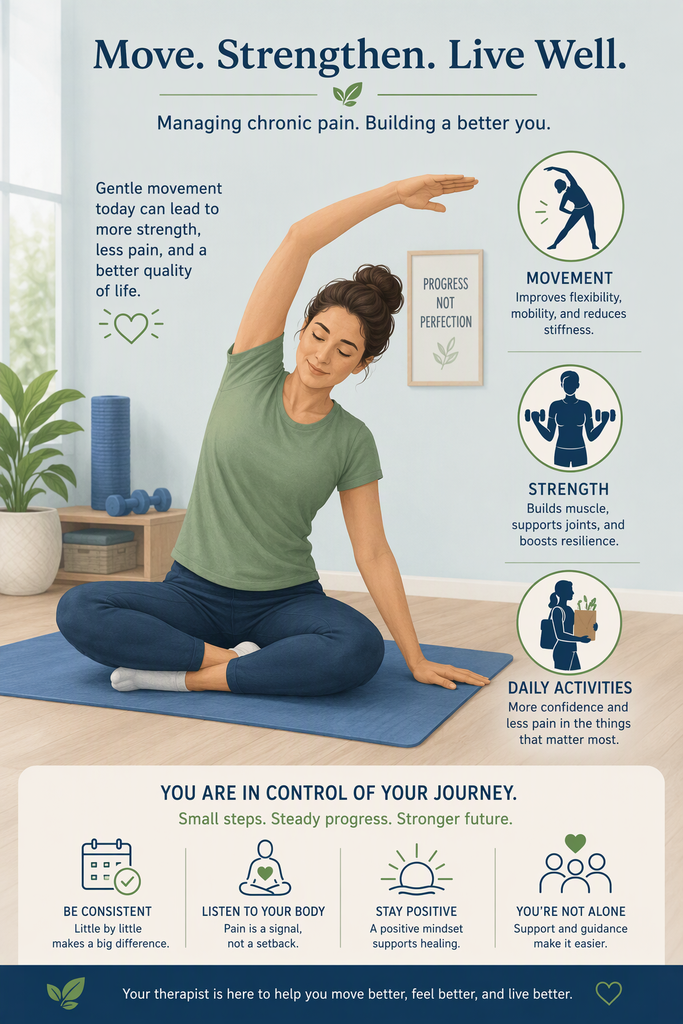
Regular physical activity may reduce stiffness and help you tolerate movement again. The compiled treatment options also mention aqua therapy as a non-drug approach. For some people, gentle formats may feel easier to start than intense exercise.
Useful movement-based options include:
- Physical therapy tailored to the painful area
- Gradual physical activity to improve function
- Aqua therapy for lower-impact exercise
- Tai chi if your clinician recommends gentle movement work
These methods do not erase pain overnight, but they can support better control and make other treatments work more effectively.
Psychological Therapies and Mind-Body Techniques
Psychological therapies can be helpful because chronic pain affects more than the body. Ongoing symptoms can increase stress, poor sleep, and fear of movement. A mind-body approach can help you respond to pain with more control and less distress.
The compiled information specifically includes guided meditation as a non-pharmacologic option. This kind of support may not remove the source of pain, but it can help you manage the day-to-day burden. Some people also explore cognitive behavioral therapy as part of broader pain care.
Mind-body and psychological therapies may include:
- Guided meditation
- Cognitive behavioral therapy
- Relaxation-based coping strategies
- Structured support for stress linked to pain
These tools often work best when paired with physical and medical treatment rather than used alone.
Natural Remedies, Diet, and Lifestyle Modifications
Yes, some natural remedies and lifestyle modifications may help relieve chronic pain. The strongest examples in the compiled material are non-drug therapies that support comfort and function. These are practical tools you can discuss with your care team.
While detailed diet rules are not provided in the source material, lifestyle changes can still center on consistent movement, supportive therapies, and daily routines that reduce strain. Massage therapy, acupuncture, and TENS are all listed as options for symptom relief without medication.
Helpful approaches may include:
- Massage therapy for sore or tight areas
- Acupuncture as a non-drug option
- TENS for stimulation around the painful area
- Guided meditation for symptom coping
- Aqua therapy as a gentler activity choice
These methods may not replace medicine for everyone, but they can become useful parts of a balanced plan.
Building an Effective Chronic Pain Management Plan
An effective chronic pain management plan usually blends more than one treatment. You may need medicine for one part of the problem and non-drug support for another. The best treatment plan should match your symptoms, safety needs, and daily goals.
Your health care provider can help you review what is working, what is causing side effects, and what should change next. Clear communication and steady follow-up make a big difference. That is especially true when pain has lasted a long time.
Personalizing Treatment: Combining Drugs and Non-Drug Remedies
The most useful plans often combine treatment options. You might use an oral medicine for steady symptom control, a topical patch for one area, and physical therapy to improve movement. This layered approach can support pain management without depending on only one tool.

In some cases, a doctor may add injections when pain remains focused in a nerve, joint, or epidural space. If a diagnostic injection gives significant pain relief, a longer-lasting option such as radiofrequency ablation may be considered for selected problems.
A combined plan may include:
- Scheduled nonopioid medicines plus physical therapy
- Topical medications for a specific area of pain
- Injections or nerve block procedures for targeted symptoms
This personalized method gives you a better chance at function and significant pain relief while balancing safety.
Communicating with Healthcare Providers About Your Pain
Good care starts with clear communication. Your healthcare provider needs specific details, not just “it hurts.” Try to explain where the pain is, what it feels like, whether it burns or shoots, and what activities make it worse or better.
It also helps to mention side effects, sleep problems, daily limits, and any history of kidney disease, liver disease, glaucoma, or substance use concerns. A pain management specialist can use that detail to make safer choices and adjust the plan over time.
When communicating, be ready to share:
- The exact area of pain and whether it spreads
- What medicines or therapies helped or failed before
- Any side effects such as dry mouth, dizziness, or constipation
The more specific you are, the easier it is for your doctor to guide treatment.
Conclusion
In summary, managing chronic pain effectively often requires a multifaceted approach that combines medication with lifestyle changes and alternative therapies. By understanding the types of chronic pain and the various treatment options available, you can work with healthcare professionals to create a personalized management plan tailored to your needs. Remember that while medications can provide relief, non-drug remedies such as physical therapy, psychological support, and dietary adjustments are equally important in achieving long-term well-being. If you’re ready to take control of your chronic pain journey, consider reaching out for expert guidance or consultation today.
Frequently Asked Questions
What are the most common drugs prescribed for chronic pain?
Common pain medicines for chronic pain include NSAIDs, acetaminophen, certain antidepressants, anticonvulsants, muscle relaxants, topical lidocaine products, and in selected cases opioid medications. Many doctors prefer nonopioid therapies first, then adjust pain relievers based on the type of pain and your medical history.
Are there lifestyle changes that can help with chronic pain?
Yes. Chronic pain management may improve with physical therapy, regular physical activity, aqua therapy, guided meditation, massage therapy, acupuncture, and TENS. While the source material gives limited diet details, practical lifestyle modifications that support movement and reduce strain can still help you function better day to day.
How can I recognize if my chronic pain medication is causing side effects?
Watch for new symptoms after starting pain medicines, such as drowsiness, dry mouth, constipation, nausea, dizziness, breathing changes, abdominal pain, or weight gain. These are common side effects with some drugs. If anything feels severe or unusual, contact your health care provider right away for medication safety review.