


How to Prepare for a Pregnancy: Tips for New Parents

- Preconception care helps you prepare for a healthy pregnancy before conception happens.
- A visit with your doctor can review your medical history, current health conditions, and next steps.
- Starting prenatal vitamins early, especially folic acid, supports early baby development.
- Reaching a healthy weight can lower certain pregnancy risks and support overall health.
- Tracking your cycle helps you understand ovulation and improve timing.
- Planning ahead also supports your emotional health, finances, and daily routines.
Introduction
Preparing for pregnancy starts earlier than many new parents expect. The weeks and months before conception can shape your overall health, affect fertility, and support a healthy pregnancy from the very beginning. That is why it helps to think beyond a positive test and focus on habits, checkups, and support systems now. With the right plan, you can feel more informed, more confident, and better ready for prenatal care and the changes that come with growing your family.
Understanding the Importance of Preparing for Pregnancy
Getting ready before pregnancy gives you time to look at the factors that may affect conception and early development. Your health history, current habits, and any medical conditions all matter during this stage.
It also helps you take action before prenatal care begins. You can review risks, improve your routines, and make decisions that support a healthy pregnancy. The next sections explain why early planning matters, what preconception health can do for you, and which myths may get in the way.
Why planning ahead matters for new parents
Planning ahead gives you a chance to strengthen your overall health before pregnancy begins. That matters because some risks start early, sometimes before you even know you are pregnant. A healthy pregnancy often begins with small steps taken in advance, not after the first prenatal visit.
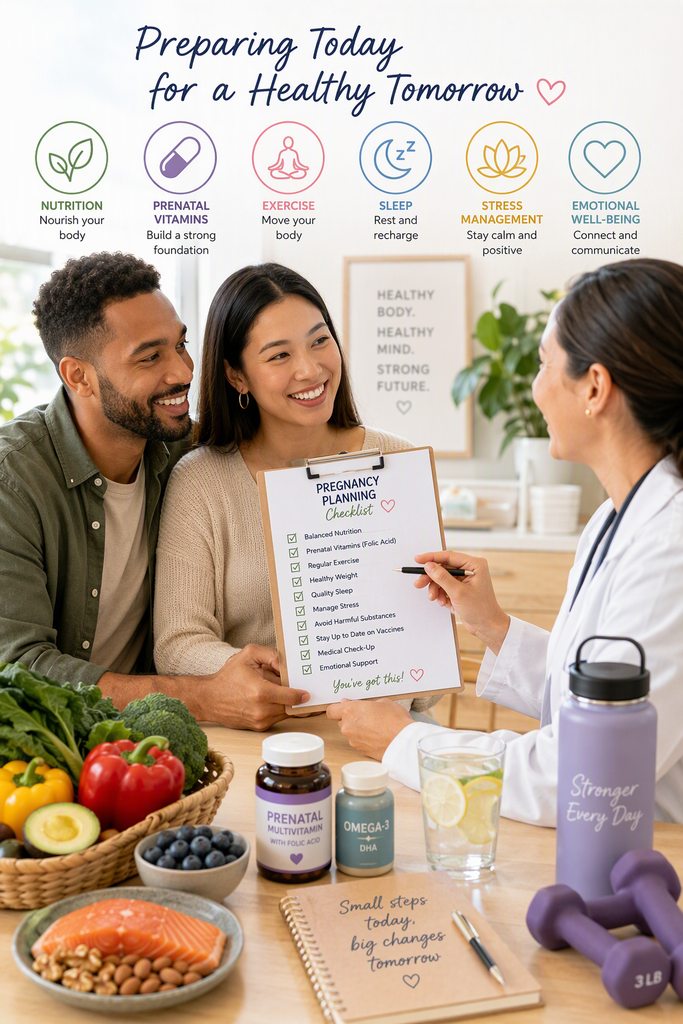
For many new parents, the most important steps include scheduling a preconception checkup, reviewing medications, starting prenatal vitamins, and looking closely at daily habits. You may also need to address chronic conditions, improve sleep, or build a healthier routine around food and movement.
Just as important, planning can lower the chance of pregnancy complications linked to unmanaged health issues, harmful substances, or delayed care. It can also protect the health of your baby during early development. When you prepare early, you give yourself more options and more control over the path ahead.
Key benefits of preconception health
Preconception care helps you prepare your body before pregnancy places new demands on it. This stage is about giving yourself time to improve routines, treat health concerns, and start support measures that matter early. It is one of the best ways to increase your chances of a healthy baby.
A few benefits stand out:
- It gives you time to reach a healthy weight through a balanced diet and regular activity.
- It helps you start prenatal vitamins early, including folic acid.
- It can lower the risk of birth defects that develop in early pregnancy.
- It supports better management of conditions that may affect fertility or pregnancy.
Another benefit is peace of mind. You do not have to guess your way through big decisions. With preconception care, you can take practical steps before conception, ask informed questions, and build healthier habits that support both fertility and pregnancy from the start.
Common misconceptions about getting ready for pregnancy
Many people think they only need to focus on health once they become pregnant. That is a common mistake. Early pregnancy begins before most people start changing habits, so waiting too long can leave important gaps in care.
Some misconceptions show up often:
- “I can start vitamins after the pregnancy test.” Early development happens fast.
- “If I feel fine, I do not need a checkup.” Some health conditions are easy to miss.
- “Only my current health matters.” Your health history and family history matter too.
- “Preparation is only about fertility.” It is also about lowering risks tied to birth defects and complications.
Another misunderstanding is that one perfect change will guarantee a healthy pregnancy. It will not. Preparation works best when you look at the full picture: medical care, nutrition, habits, emotional health, and support. Small actions together make the difference.
What You Need to Get Started on Your Pregnancy Journey
Starting your pregnancy journey does not require perfection, but it does help to gather the right essentials early. Think of this stage as preparation, not pressure. You are building a foundation with support, information, and healthy routines.
That may include talking with a provider about health concerns, choosing prenatal vitamins, reviewing your current habits, and setting goals around a healthy weight. A few practical tools can make the process feel simpler. The next sections cover support, useful items, and when to begin preparing for conception.
Essential resources and support for new parents
Yes, talking to your doctor before trying to get pregnant is a smart first step. A healthcare provider can review your health, explain preconception care, and help you plan for prenatal care later. This visit also gives you space to ask questions without feeling rushed.
Helpful resources and support can include:
- A healthcare provider you trust for your preconception checkup
- A record of your family history and family health history
- A list of current medications and supplements
- One or two people who can offer steady emotional support
- HR information about leave policies and health coverage
You may also want your partner involved in these conversations. Their health and habits can affect conception too. When you build support early, you are not just preparing for pregnancy. You are creating a stronger system around yourself for the months ahead.
Items to gather before you begin
A little preparation can save you stress later. Before you begin trying to conceive, gather the basics you will need for appointments, daily routines, and planning. Having these items ready makes it easier to stay consistent and informed.
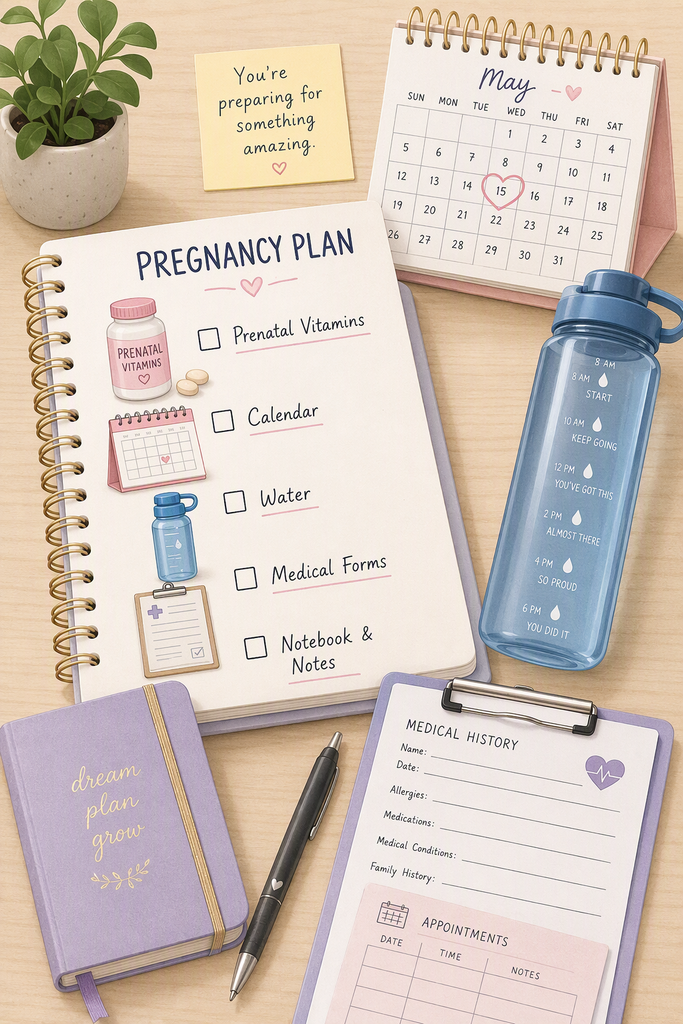
Start with these:
- Prenatal vitamins with folic acid
- A written copy of your medical history
- A list of medications, over-the-counter products, and supplements
- Notes on your usual meals so you can build a more balanced diet
- Any family health details you may need for future discussions
As for supplements, folic acid is the key one to start before pregnancy. A daily vitamin with 400 micrograms of folic acid is recommended before conception to help prevent neural tube defects. Prenatal vitamins may also include other nutrients, but your provider can help you choose what fits your needs best.
When to start preparing for conception
A good rule is to start preparing at least three months before trying to conceive. That gives you time for a preconception checkup, routine changes, and follow-up care if anything needs attention. Some people may need longer, especially if they have health conditions or irregular cycles.
This window is useful for more than vitamins. It gives you time to learn your menstrual cycle, begin tracking ovulation, and complete any blood tests or screenings your doctor recommends. If you need vaccine updates or medication changes, earlier is better.
Your timeline may also depend on your health history. If you have diabetes, high blood pressure, thyroid concerns, or past pregnancy complications, you may need extra time to stabilize treatment and review risks. Starting early makes the process feel less rushed and more manageable.
Step-by-Step Guide to Preparing for Pregnancy
Once you know why preparation matters, the next step is turning that knowledge into action. Preconception care works best when you break it into clear, manageable steps instead of trying to do everything at once.
From scheduling appointments to starting prenatal vitamins and supporting your overall health, each action adds something valuable to your pregnancy journey. The steps below walk you through the process in a practical order, so you can move forward with more confidence and less uncertainty.
Step 1: Schedule a preconception checkup with your doctor
A preconception checkup is one of the most important appointments to schedule before getting pregnant. It gives your healthcare provider a full picture of your health and helps identify anything that could affect conception or pregnancy. If possible, try to book it at least three months before trying.
During this visit, your provider may review your health history, family background, medications, supplements, and lifestyle habits. They may also discuss previous pregnancy issues, STI screening, vaccines, and questions about your partner’s health.
You can also expect a physical exam that checks basics such as weight, blood pressure, and other general health markers. In some cases, a pelvic exam may be done to check reproductive health. This visit is also the right time to ask which tests or screenings make sense for your specific situation.
Step 2: Review your medical history and necessary tests
Your medical history can reveal important clues about fertility and pregnancy risks. That includes past illnesses, chronic health conditions, medication use, menstrual concerns, and any previous pregnancy complications. A clear review helps your provider spot issues early and guide next steps.
Family history matters too. Some genetic condition risks are easier to understand when both sides of the family are discussed. This can be especially important if certain conditions run in your family or ethnic group, such as sickle cell disease or Tay-Sachs disease.
Testing needs vary, but your provider may recommend blood tests, STI screening, or genetic screening based on your background. They may also look for causes of irregular periods or other reproductive concerns. The goal is simple: find what needs attention now so you can move toward pregnancy with fewer unknowns.
Step 3: Start taking recommended prenatal vitamins
Start prenatal vitamins before conception, not after. Early pregnancy development happens quickly, and some birth defects can form before you realize you are pregnant. Taking vitamins in advance helps your body prepare from day one.
The most important nutrient is folic acid. A daily supplement with 400 micrograms of folic acid is recommended at least one month before pregnancy. This helps reduce the risk of neural tube defects, which affect the brain and spine.
Key points to remember:
- Prenatal vitamins are often the easiest way to get folic acid.
- Folic acid helps lower the risk of neural tube defects.
- Some people at high risk may need 4,000 micrograms with medical guidance.
- Do not take several prenatal vitamins at once to raise your dose.
If you are unsure which supplement to choose, ask your provider. They can help you match your vitamin plan to your health needs and diet.
Step 4: Optimize your nutrition and eating habits
Food choices before pregnancy can support hormone health, fertility, and your body’s readiness for the demands of pregnancy. You do not need a perfect menu, but building a balanced diet now can make a real difference. A healthy diet works best when paired with consistent habits.
Try to include more of these foods:
- Leafy greens and citrus fruits for folate
- Whole grains and nuts for fiber and steady energy
- Eggs, lean meats, tofu, and legumes for protein and iron
- Dairy or fortified plant milks for calcium and vitamin D
- Fatty fish for omega-3 fatty acids
At the same time, limit foods that may pose risks, such as undercooked meat, raw seafood, unpasteurized dairy, and high-mercury fish. Alcohol should be avoided, and caffeine should stay moderate. Better eating habits do not have to be extreme. Simple, steady improvements are enough to support a healthier start.
Step 5: Adjust lifestyle choices for better health
Yes, several lifestyle changes can improve your chances of a smoother pregnancy. Daily routines affect fertility, hormone balance, and long-term health. You do not need to change everything overnight, but a few focused shifts can support a healthier foundation.
Start with habits that matter most:
- Make exercise a regular part of your week
- Work toward a healthy weight through food and movement
- Improve sleep and set a consistent bedtime routine
- Reduce stress with tools like journaling, yoga, or meditation
- Stop smoking, vaping, alcohol use, and recreational drugs
Harmful substances can affect both fertility and early development. They are also linked to miscarriage, premature birth, and birth defects. If quitting feels hard, ask your provider for help. Support is part of the process. The goal is progress that protects your health and supports pregnancy, not pressure to be perfect.
Step 6: Track your menstrual cycle and ovulation
One practical way to boost fertility before pregnancy is to understand your menstrual cycle. Conception is most likely during the fertile window around ovulation, so knowing when that happens can improve timing. Even people with regular cycles can benefit from tracking patterns for a few months.
In a typical 28-day cycle, ovulation often happens around day 14, but that is not true for everyone. Period tracking apps, ovulation predictor kits, fertility monitors, and simple calendars can all help. You can also watch for physical signs such as clear stretchy cervical mucus, mild cramping, or a small rise in basal body temperature.
If your periods are irregular or absent, speak with your provider. Irregular cycles can make timing harder and may point to underlying health concerns. Addressing those issues early may also help lower the chance of pregnancy complications later.
Step 7: Address mental and emotional well-being
Mental health is part of pregnancy preparation, not an afterthought. Stress, anxiety, depression, and emotional strain can affect daily habits, hormone balance, and your ability to feel steady during a big life change. Supporting emotional well-being before conception can create a stronger start.
If you already have mental health concerns, talk with a provider before trying to conceive. This matters even more if you take medication. Never stop treatment on your own. Your provider can help you balance symptom control with pregnancy planning in a safe way.
You may also benefit from building support before pregnancy begins. That can mean a therapist, a support group, your partner, or trusted family and friends. Open conversations about fears, boundaries, and expectations can reduce stress and help you feel less alone as the process unfolds.
Step 8: Plan financially for pregnancy and parenthood
Financial planning is easier when you start early and plan together. You and your partner can review likely expenses, compare leave options, and talk through how work, childcare, and household duties may shift. These talks can reduce stress later and help both of you feel more prepared.
Start by reviewing health insurance and employer policies. Qualified plans cover prenatal care, childbirth, and postnatal care, but out-of-pocket costs can still vary. It also helps to think beyond delivery and look at leave, baby gear, and childcare costs.
| Planning Area | What to Review |
|---|---|
| Health insurance | Deductibles, coinsurance, maternity coverage, breastfeeding support |
| Leave policies | Paid or unpaid leave, short-term disability, FMLA options |
| Prenatal costs | Visits, medications, classes, possible doula support |
| Home planning | Safe sleep setup, baby-proofing, essential gear |
| Ongoing expenses | Childcare, diapers, formula, medical visits |
You can also keep records organized, including your medical history and benefits details, so decisions are easier as pregnancy moves forward.
Medical Considerations Before Trying to Conceive
Medical planning before conception can help you catch issues early and lower avoidable risks. This stage often includes screenings, medication review, vaccine updates, and conversations about inherited conditions. It is not about expecting problems. It is about being informed.
If you have health conditions or a family history that may affect pregnancy, these steps matter even more. Vaccinations, genetic counseling, and routine testing can guide safer decisions before conception. The following sections break down the key medical areas to review with your provider.
Important screenings and tests for new parents
The right screenings depend on your medical history, current symptoms, and family background. Still, many new parents can expect a few common checks before trying to conceive. These tests help identify issues that may affect fertility, pregnancy, or early development.
Your provider may recommend:
- Blood tests to check general health or specific concerns
- STI screening
- A review of medications and supplements
- A physical exam with weight and blood pressure checks
- A pelvic exam if needed for reproductive health
These screenings are not meant to overwhelm you. They are there to uncover health conditions that are easier to manage before pregnancy begins. If you have irregular periods, past complications, or chronic illnesses, your provider may suggest additional testing. Asking what is needed for your situation can help you focus on the tests that truly matter.
Vaccinations and genetic counseling
Yes, this is another strong reason to talk to your doctor before trying to get pregnant. Vaccinations and genetic counseling can both influence your planning. Some vaccines are best completed before pregnancy, and some inherited risks are easier to understand with expert guidance.
Topics to review may include:
- Vaccinations for MMR if you are not immune
- Flu and COVID-19 protection
- Family history of a genetic condition
- Referral to a genetic counselor if risks are identified
- Carrier screening for conditions such as sickle cell disease
A genetic counselor can explain what certain results may mean for you and your future child. This step is often recommended when there is a known family risk or a higher carrier rate in your background. The goal is not fear. It is clarity, so you can make informed choices with better information.
Managing existing health conditions
If you have ongoing health conditions, managing them before pregnancy is one of the best ways to prepare your body. Conditions such as diabetes, high blood pressure, thyroid disorders, and asthma can affect fertility and increase pregnancy risks if they are not controlled.
The good news is that early planning gives you time to improve disease control. Your provider may adjust treatment, recommend safer medications, or refer you to a specialist. These changes can reduce risks such as miscarriage, preterm birth, and other complications tied to untreated illness.
This step is especially important because some common medicines are not safe during pregnancy. A careful review helps protect both you and your future baby. When conditions are stable before conception, your body is in a stronger position to support pregnancy from the start.
Making Lifestyle Changes for a Healthy Pregnancy
Lifestyle changes can shape how prepared your body feels before pregnancy begins. The goal is not to chase perfection. It is to support energy, hormone balance, and long-term health with choices you can maintain.
A healthy diet, regular exercise, safer substance use habits, and attention to your environment can all support a healthier path forward. Reaching a healthy weight may also lower certain risks. The sections below cover practical ways to strengthen these areas before you try to conceive.
Exercise routines for preconception health
Regular exercise is one of the most useful lifestyle changes to make before pregnancy. It can support a healthy weight, improve sleep, lower blood pressure, reduce stress, and strengthen your body for pregnancy and labor. You do not need an intense routine to benefit.
Helpful ways to build physical activity include:
- Aim for moderate movement through the week
- Add strength training two days a week
- Walk more during the day
- Start slowly if exercise is new or if you are restarting
- Ask your provider before beginning if you have medical concerns
Even short sessions count. The key is consistency. Physical activity also supports overall health and may lower the risk of conditions that can cause pregnancy problems later. If you already have a routine, keep going. If not, this is a good time to build one that feels realistic.
Healthy weight management tips
Reaching a healthy weight before pregnancy can improve fertility and lower the risk of complications. Being underweight or overweight may raise the chance of issues such as high blood pressure, diabetes, preterm birth, and certain birth defects. That is why weight planning is part of preconception care.
A few simple strategies can help:
- Ask your provider about a realistic healthy weight goal
- Review your body mass index as one planning tool
- Pair a healthy diet with regular movement
- Focus on long-term habits instead of quick fixes
- Build meals around whole foods and steady routines
This is not about chasing a perfect number. It is about supporting overall health before pregnancy begins. Small changes in food choices, activity, and sleep can make weight goals more manageable. If you need help, ask your provider for guidance that fits your body and health needs.
Limiting caffeine and avoiding harmful substances
Some of the most important lifestyle changes involve what to cut back on or stop completely. Caffeine is usually safe in moderation, but too much may affect fertility and may raise the risk of miscarriage. It is best to stay under 300 milligrams a day.
You should also avoid harmful substances such as:
- Alcohol
- Smoking and vaping
- Illegal drugs
- Misuse of prescription drugs
- Secondhand smoke when possible
These exposures are linked to serious problems, including miscarriage, premature birth, infant loss, and birth defects. If you use prescription drugs, take them only as directed and make sure the prescriber knows you are trying to conceive. If stopping alcohol, nicotine, or drug use feels difficult, ask your provider for support. Getting help early can protect your fertility and future pregnancy.
Reducing environmental risks
Environmental risks can affect reproductive health at home, at work, or during daily routines. Some exposures happen through the air, through skin contact, or through what you eat. Taking a closer look at these risks before pregnancy can help you make safer choices.
Common concerns include harmful chemicals in cleaning products or workplaces, radiation exposure, loud machinery, infectious diseases, and long or physically demanding shifts. If your job includes these conditions, talk with your employer or provider about possible adjustments before pregnancy starts.
Food and household habits matter too. Avoid secondhand smoke when you can, and make sure meat is fully cooked to lower infection risks tied to undercooked meat. If you care for pets such as cats or rodents, ask someone else to handle litter boxes or cages. Small precautions can reduce avoidable risks before conception.
Conclusion
Preparing for pregnancy is an exciting journey that comes with a mix of emotions and important responsibilities. By taking the necessary steps to optimize your health, gather resources, and educate yourself, you pave the way for a smoother transition into parenthood. Remember, planning ahead is not just about the physical aspects; nurturing your mental and emotional well-being is equally crucial. As you embark on this path, don’t hesitate to seek guidance and support from healthcare professionals and loved ones. Your proactive approach will not only benefit you but also create a supportive environment for your future baby. If you’re ready to take the first step, consider booking a free consultation to explore your options and ensure a healthy start to your pregnancy journey.
Frequently Asked Questions
How long should I prepare before trying to get pregnant?
Try to begin preconception care at least three months before trying to conceive. That gives you time to review your health history and medical history, start prenatal vitamins, track your menstrual cycle, and address any concerns with your doctor. If you have ongoing health issues, you may need longer.
Which vitamins or supplements are best for preconception?
Prenatal vitamins with folic acid are the top choice for preconception. A daily supplement with 400 micrograms of folic acid helps lower the risk of neural tube defects early in pregnancy. Even with a balanced diet, prenatal vitamins can help support a healthy pregnancy from the start.
What are common mistakes to avoid when preparing for pregnancy?
Common mistakes include waiting too long to start planning, ignoring health conditions, skipping folic acid, and assuming your health history does not matter. It is also important not to overlook healthy weight goals or continued exposure to harmful substances, which can raise the risk of complications and birth defects.
How can my partner and I prepare together for a healthy pregnancy?
You and your partner can prepare together by reviewing family health history, making lifestyle changes, and attending a visit with a healthcare provider when possible. Talk openly about finances, daily responsibilities, and emotional support. Shared planning now can make prenatal care and pregnancy feel more manageable for both of you.
https://www.cdc.gov/reproductive-health/hcp/unintended-pregnancy
https://www.cdc.gov/niosh/reproductive-health/about/index.html
https://www.nhs.uk/pregnancy/trying-for-a-baby/planning-your-pregnancy
https://www.marchofdimes.org/user/dashboard
https://www.nhlbi.nih.gov/calculate-your-bmi
https://tools.cdc.gov/medialibrary/index.aspx#/sharecontent
https://pubmed.ncbi.nlm.nih.gov/28844822