
Sleep Like a Pro: Best Sleeping Methods When Travel
Key Highlights
- Good sleep while traveling often starts before you leave home.
- A changed time zone can trigger jet lag and lower sleep quality fast.
- Sleeping in a new place may cause first-night sleep disruptions.
- Simple comfort items can make your room feel more familiar and calming.
- Bedtime routines, light control, and a noise machine can support better rest.
- If sleep problems continue, sleep medicine experts or a sleep health management clinic may help.
Introduction
Travel should help you recharge, but it often does the opposite when sleep falls apart. Different beds, bright rooms, and long flights can leave you drained before your trip really begins. The right sleeping methods can help you get a good night’s sleep even when your schedule changes. If you want less travel fatigue and more energy for vacation or business trips, understanding the effects of alcohol can be crucial, as a few practical habits can make a real difference from the moment you start packing.
Understanding Sleep Challenges While Traveling
Travel insomnia often shows up when your body and surroundings change at the same time. A new environment, an unfamiliar bed, and even a small time zone shift can throw off your circadian rhythm, which is a normal part of the sleep cycle, and lead to sleep disruptions.
So what causes travel insomnia and how can you avoid it? In most cases, the issue comes from broken routines, strange rooms, and travel stress. Understanding those triggers first makes it easier to prevent them, which leads into the most common causes below.
Common Causes of Travel Insomnia
Travel insomnia usually begins with change. You leave your normal bedroom, your usual bedtime, and the small habits that help you settle down. In a hotel or rental, the bed may feel wrong, the hotel pillow may be too firm or too soft, and the room may be brighter or louder than expected. According to the Journal of Clinical Sleep Medicine, that first night in a different sleeping environment can easily lead to difficulty sleeping.
Another common trigger is timing. Even a different time zone by an hour can affect people’s sleep, and longer trips can bring on jet lag. Your body may want to sleep when the local schedule says you should be active, which creates sleep loss and poor sleep.
You can avoid some of this by planning ahead. Pack familiar items, keep a bedtime routine, and expect the first night to feel a little off. That mindset alone can reduce stress and help you rest sooner.
Impact of Time Zone Changes and Jet Lag
Crossing a time zone changes more than your watch. It can create jet lag by pushing your body into circadian rhythm disruption, which may also lead to gastrointestinal problems. You may feel sleepy in the middle of the day, wide awake at bedtime, or low in energy level when you want to enjoy your trip.
This happens because your internal clock does not shift right away. Your naturally produced hormone, often called the sleep hormone, follows your usual pattern until your body catches up. That is why a new time zone can affect both nighttime rest and daytime alertness, which are regulated by a part of the brain known for its role in circadian rhythms.
So how can you adjust your sleep schedule when crossing time zones? The most helpful approach is to start several days early, moving your bedtime and wake time toward the destination. According to a clinical psychologist, light-based tools and scheduling apps can also help your body adapt more smoothly.
Preparing for Restful Sleep Before Your Trip
The best travel sleep plan often begins at home. If you want a great night’s sleep on vacation, keep the habits that already work for you. Your regular routine sends clear signals to your body and makes sleep feel predictable, even when your location changes.
You do not need a complicated system. Small steps matter most, from adjusting bedtime before departure to packing familiar items. If you already deal with a sleep disorder, support from a sleep health management clinic or sleep consultations may also help you prepare more confidently.
Adjusting Your Sleep Schedule in Advance
One of the smartest ways to protect sleep quality is to change your sleep schedule before you travel. If your destination is in another time zone, experts suggest starting about five or six days early, as the National Sleep Foundation recommends. That gives your circadian rhythm time to move gradually instead of all at once.
This can be especially useful if you are flying to places like New York City or crossing multiple zones for business trips. Even a short hour time zone difference can affect people’s sleep, so early adjustments are not just for international travel.
Try these simple steps:
- Move your bedtime and wake time a little earlier or later each day.
- Use apps designed to help you adapt to a new time zone.
- Use light or time devices before travel and after arrival to support adjustment.
Packing Essential Sleep Aids and Comfort Items
Packing for better sleep is not about bringing more. It is about bringing the right things. Familiar items can give you a strong feeling of comfort in a strange room, which matters when you are trying to rest in a new place. Even the scent of your items can help you feel calmer. “We need that feeling of comfort and relaxation to be able to fall asleep and stay asleep,” says Lauri Leadley, the founder and president at Valley Sleep Center, a sleep health management clinic in Arizona.
If you have an own pillow you love at home, bring it when possible. A hotel pillow may not match your needs, and that mismatch can lead to sleep disruptions. The same idea applies if you manage a sleep disorder and know certain tools help you settle down.
Helpful sleep aids may include:
- Travel pillows for better neck support
- Your own pillow or a favorite blanket
- Earplugs or noise-canceling headphones
- A sleep mask or a small noise machine
Creating a Sleep-Friendly Environment on the Road
A room does not need to be perfect to support a good night’s sleep. It just needs fewer distractions. Light, noise, and comfort problems often have the biggest effect on sleep quality, especially after long travel days. Sleep has often been the forgotten stepsister to other aspects of health in achieving a restful night.
That is why setup matters so much once you arrive. A noise machine, a better pillow choice, or a darker room can quickly make a space feel more restful. Next, let’s look at practical ways to handle the common issues that keep travelers awake.
Managing Noise, Light, and Temperature
Many travel sleep disruptions come from the room itself. Outside traffic, hallway sounds, thin curtains, or a bathroom light can chip away at sleep quality. You may not control everything, but you can control enough to make a real difference.
A simple toolkit helps. Some travelers bring an old-school noise machine, while others use an app. Earplugs can cover sudden sounds, and a sleep mask can block bright windows that do not close fully. A night-light can help you move around safely without filling the room with harsh light.
Focus on these basics:
- Use a noise machine, app, or earplugs to soften sound.
- Block unwanted light with a sleep mask and low lighting.
- Keep the room temperature comfortable so your body can relax.
Selecting Accommodations That Support Better Sleep
Where you stay can shape your whole night. Some accommodations now treat sleep quality, as Rebecca Robbins highlights, as a key attraction, offering features designed to reduce stress in a new environment. That can help you fall asleep faster in unfamiliar hotel rooms because the space feels more supportive from the start.
You may notice options such as pillow menus, white noise machines, cooling sheets, smart beds, special lighting, or expert help through meditation sessions. Places mentioned in sleep-focused travel discussions include Park Hyatt New York in New York City, Saratoga Arms in Saratoga Springs, the Lake Nona Wave Hotel in Orlando, and Hotel Figueroa in Los Angeles.
| Sleep-friendly feature | How it may help |
|---|---|
| Choice of hotel pillow | Lets you choose a feel that matches your comfort needs |
| White noise machines | Covers outside sounds that disturb sleep quality |
| Cooling sheets | Helps you stay cooler and more comfortable overnight |
| Smart beds | Adjusts support as you move during sleep |
| Special lighting | Supports a calmer wind-down and gentler wake-up |
Methods for Falling Asleep Faster in Unfamiliar Settings
Falling asleep fast in a strange room is often harder than people expect. On the first night, your brain may stay more alert because it is scanning a new setting. That can lead to sleep loss, even when you feel physically tired.
The fix is usually not force. It is relaxation. Calming routines, breath work, and a meditative state can help your body stop fighting the room. If this is a regular issue for you, sleep clinics may offer more personalized guidance.
Relaxation Techniques and Bedtime Rituals
Your body responds well to signals. When you repeat the same wind-down habits each night, you give your circadian rhythm a cue that sleep is coming, and your routine can have so much power. This matters even more while traveling, when routines are already under pressure.
A power-down hour can work well. Read a book, take a warm bath or shower, and avoid electronic screens late at night. It’s important to remember that waking up in the middle of the night is a normal part of the sleep cycle. The shift from warm water to cooler air may support the production of the sleep hormone, helping you feel sleepy in a more natural way.
You can also use these relaxation techniques:
- Practice slow breathing to enter a meditative state.
- Try Child’s Pose, Supine Twist, Legs-Up-the-Wall Pose, or Corpse Pose.
- If you wake up, picture a favorite place and return focus to your breath.
Using Technology and Apps to Improve Sleep Quality
Technology can help travel sleep, but it works best when used with care. Some apps, as suggested by Shelby Harris, help you adjust to a new time zone before you leave. Others provide calming audio that can stand in for a noise machine when you do not want to pack extra gear.
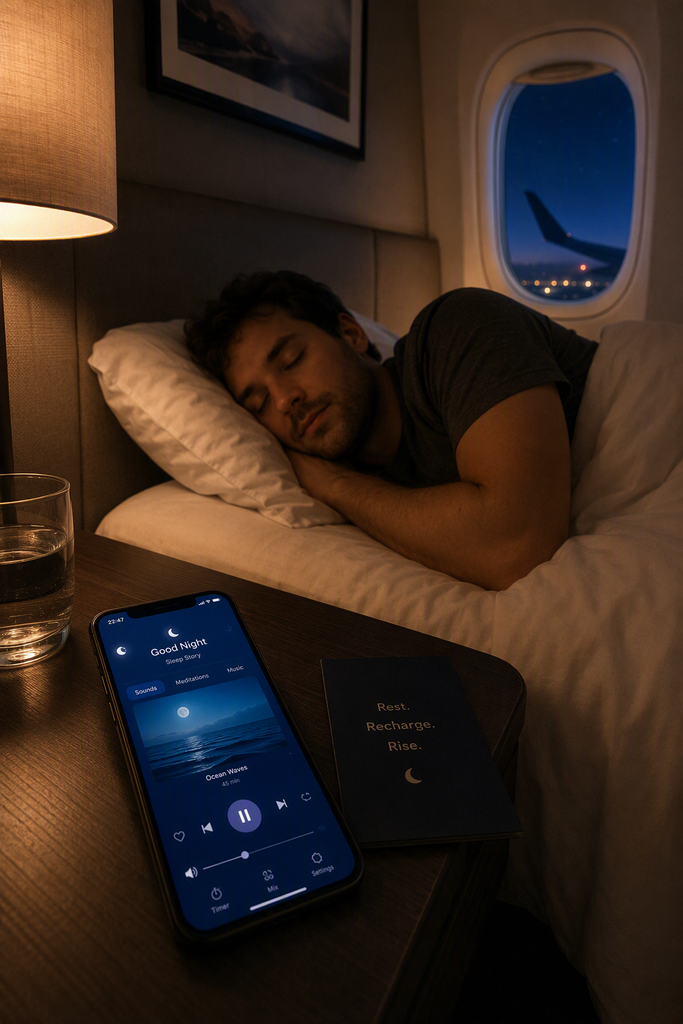
At the same time, not all technology supports rest. Late-night screen exposure can keep your brain alert, especially during the hours when your body should be winding down, impacting the functioning of the pineal gland which regulates melatonin levels. In sleep medicine, this is a common reason people struggle to settle even when they feel tired.
Useful tools include:
- Apps that guide time zone adjustment before travel
- Sound apps that mimic a noise machine for hotel rooms
- On-demand meditation sessions that help quiet racing thoughts
Sleeping Well During Airplane and Long-Distance Travel
Sleep on the move can be tricky, whether you are on an airplane, a train, or long road trips. Noise, posture, and changing schedules can all increase travel fatigue and set you up for a lack of sleep and sleep disruptions later.
Still, better rest in transit is possible. A few practical choices can improve comfort, reduce strain, and make it easier to arrive with less jet lag. Let’s start with simple ways to sleep more effectively while you are still getting there.
Practical Tips for Sleeping on Planes and Trains
An airplane seat is not your bed, so expectations matter. The goal is not perfect sleep. It is protecting enough rest to reduce travel fatigue and support better sleep quality once you arrive. That same mindset works for trains and other long-distance travel too.
Start by setting up your space. Limit noise, support your neck, and create a darker visual field. If you can follow part of your bedtime routine, even better. Familiar steps tell your body it is safe to relax, even in a busy cabin.
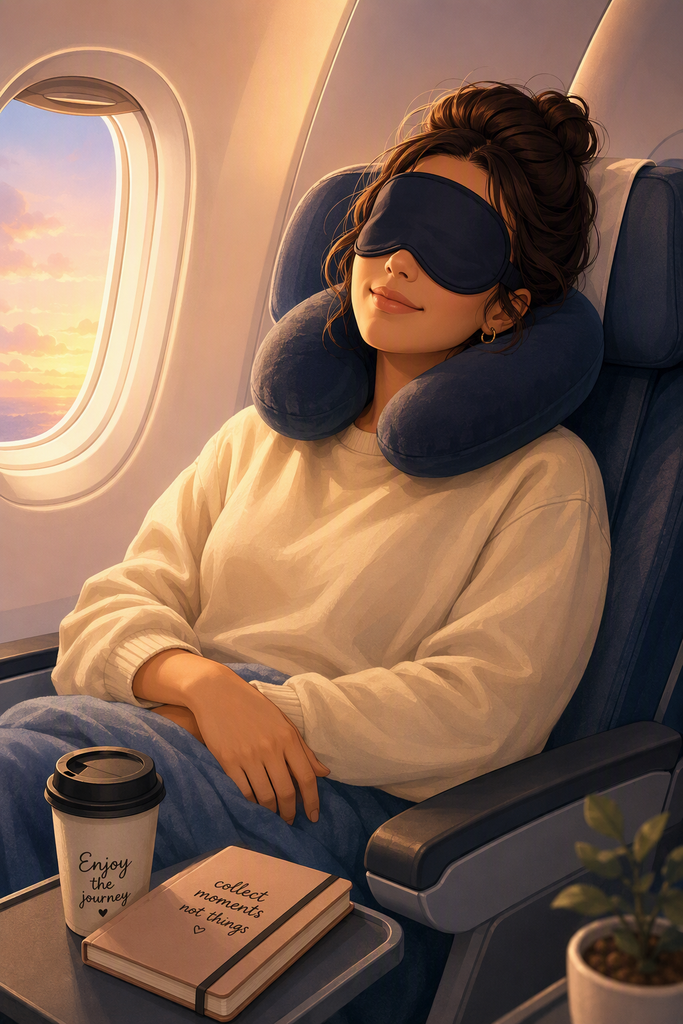
These practical tips can help:
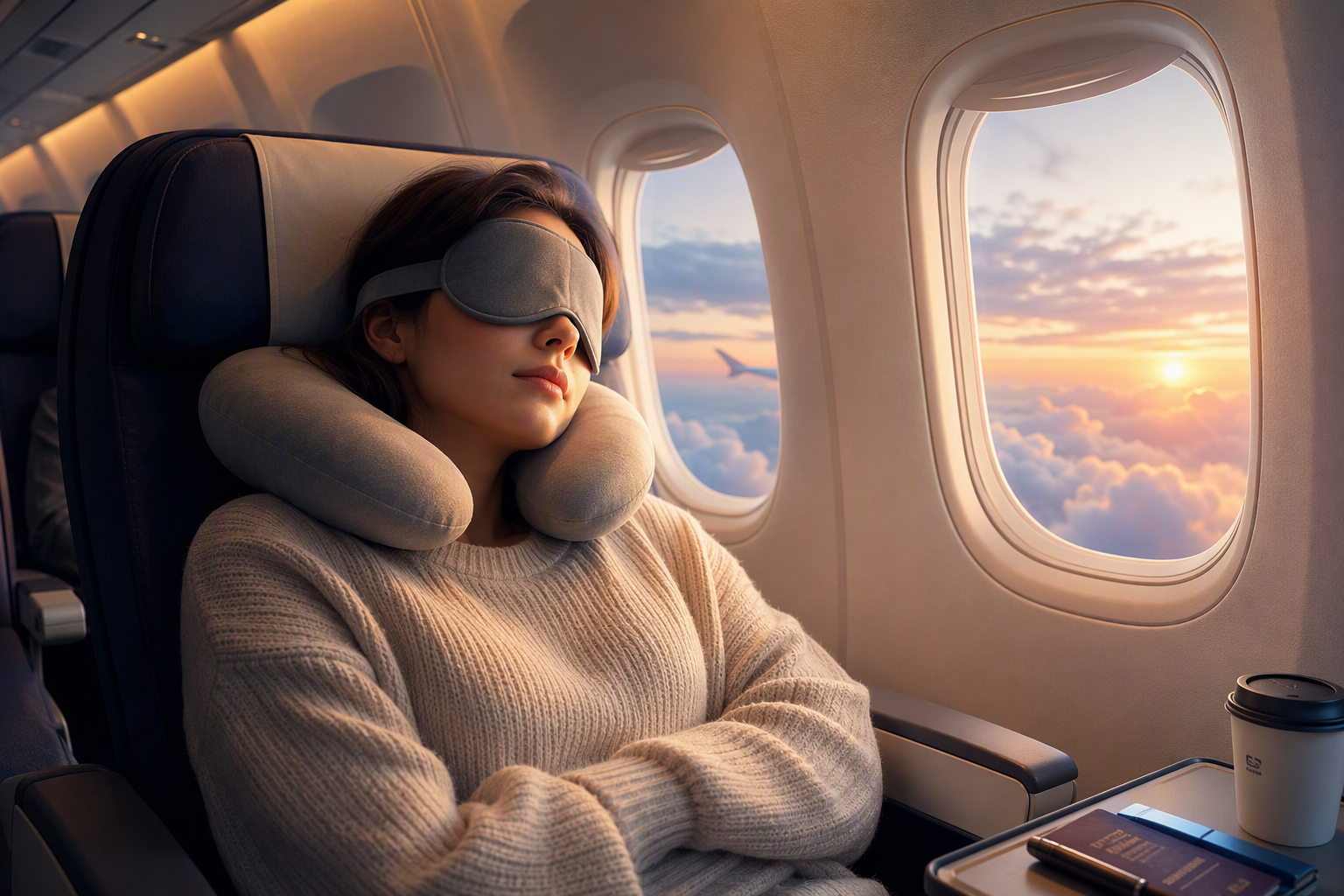
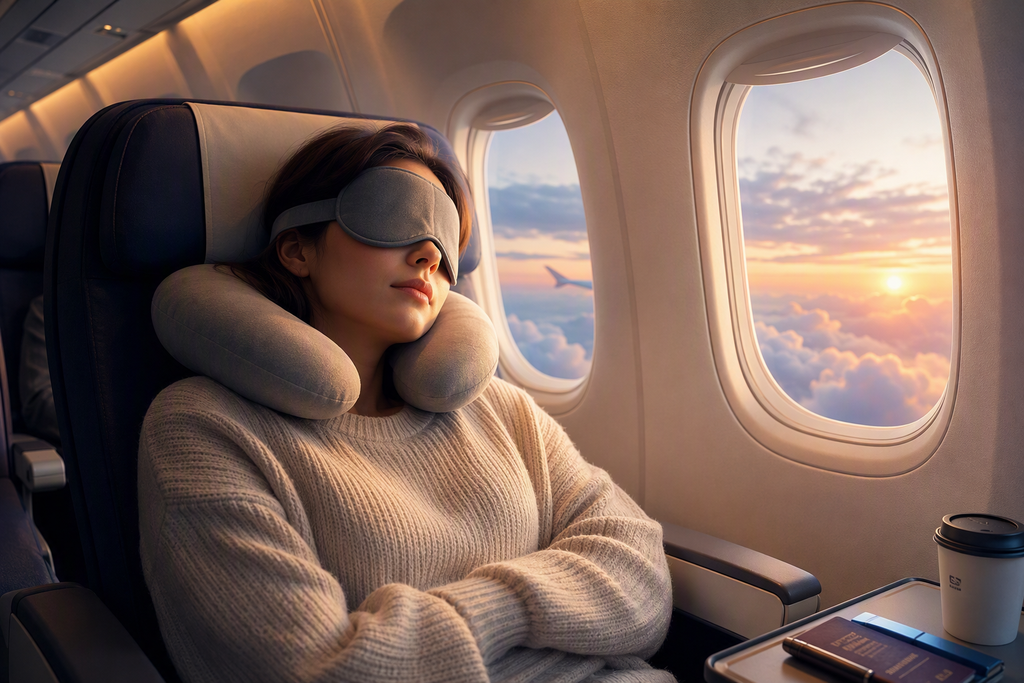
- Use a neck pillow, eye mask, and ear protection together.
- Follow a calm pre-sleep routine instead of constant screen use.
- Try slow breathing or meditation if your mind stays active.
Recommended Travel Pillows, Masks, and Earplugs
The most effective sleep aids for frequent travelers are usually simple, light, and easy to use, akin to those found in Miami Beach resorts. You do not need a suitcase full of gear. You need items that improve comfort quickly and block the biggest sleep barriers around you.
Travel pillows can support your neck on an airplane or in a car, while a mask helps when cabin lights or hotel curtains are an issue. Earplugs work well for cabin noise, hall traffic, or a loud new environment. Together, these tools can protect sleep quality far better than using only one of them.
Consider packing:
- Travel pillows for neck support during transit
- A sleep mask for blocking light
- Earplugs for steady noise control
- A small blanket or own pillow for added comfort
Conclusion
In conclusion, finding the best sleeping methods while traveling can dramatically enhance your overall experience and well-being. By understanding the unique challenges posed by travel and implementing effective strategies to foster restful sleep, you set yourself up for success on your journeys. From preparing in advance and creating a comfortable sleep environment to utilizing relaxation techniques and technology, there are numerous ways to ensure a great sleep and good night’s rest no matter where you are. Embrace these tips, and you’ll be ready to explore the world with renewed energy and enthusiasm. For personalized recommendations and support, don’t hesitate to reach out for a free consultation!
Frequently Asked Questions
What are some effective ways to recover from jet lag?
To recover from jet lag, start adjusting your schedule several days before travel, then use light-based tools or apps to match the new time zone. This helps your circadian rhythm adapt faster, improves sleep quality, and can bring your energy level back sooner after arrival, just as a neurologist and owner of Charlottesville Neurology would recommend.
Which sleep tools or aids work best for frequent travelers?
For frequent travelers, the most useful sleep aids are usually a sleep mask, earplugs, a noise machine or sound app, and an own pillow if space allows. These tools create familiarity, reduce noise and light, and make sleep in hotels or transit much easier.
Can diet and exercise improve sleep when away from home?
The compiled guidance focuses more on routine and relaxation than on diet or exercise. Still, keeping your normal habits steady can support sleep quality. When your days feel structured, you may notice less travel fatigue, less sleep loss, and an easier time settling down at night.